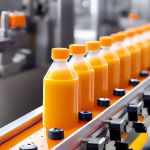



Liquid Blending Solutions that Create Competitive Advantage
Liquid blending brings together two or more liquid components to form a stable solution, suspension, or emulsion. It sounds straightforward, but making it work at scale demands control, precision, and experience. Success hinges on managing flow rates, viscosities, temperatures, and material behavior from start to finish.
The process starts by checking material compatibility and setting clear blending parameters. Temperature matters at every step — it affects solubility, viscosity, and reaction rates. The right agitation setup depends on the product goals. Gentle paddles, high-shear mixers, or in-line dynamic systems each play a role depending on how much force the blend needs. Timing, sequencing, and flow control drive uniformity. Many operations now use in-line blending with real-time monitoring to catch any deviation before it becomes a problem. Tight control on sanitation, traceability, and cross-contact keeps every batch compliant and market-ready.
-
01 Liquid Blending by Processing Type
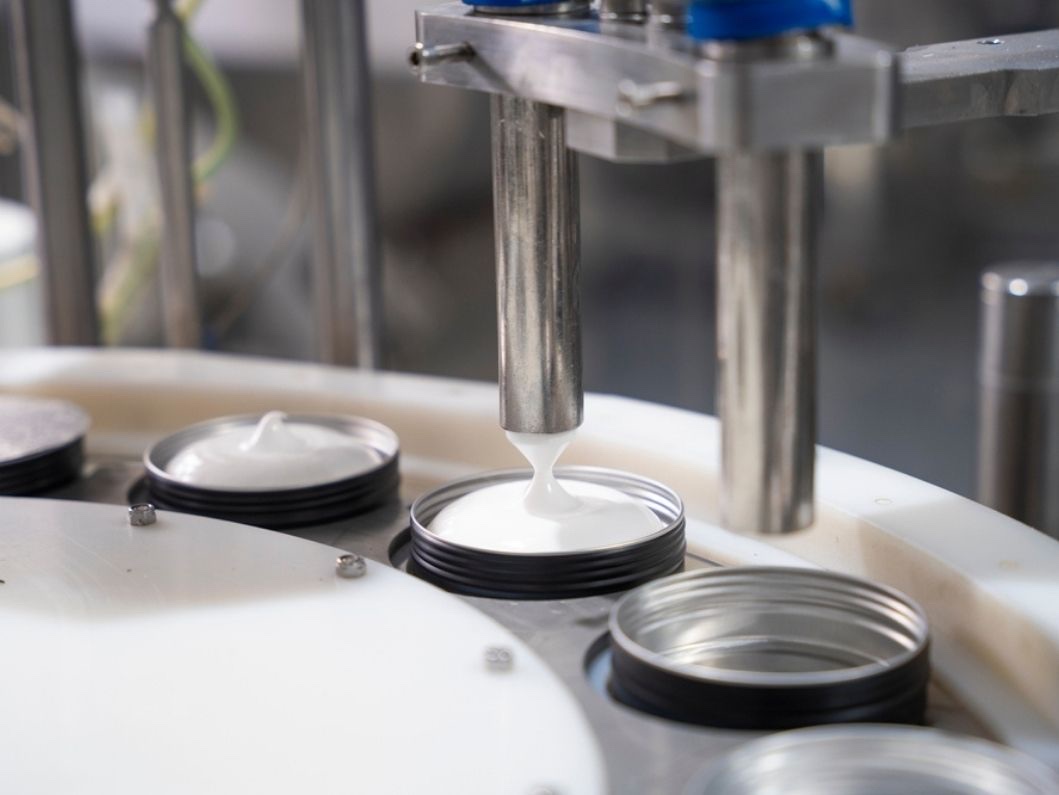
Blending methods shift depending on what the formula demands:
- Low-Shear Blending: Used when working with fragile emulsions or light suspensions where shear can damage structure.
- High-Shear Blending: Essential for breaking down immiscible liquids, dispersing fine solids, or adjusting viscosities quickly.
- Batch Blending: Designed for controlled, high-precision runs, ideal for short-term projects or premium formulations.
- Continuous Blending: Built for high volumes, real-time adjustments, and faster scale-up without batch bottlenecks.
- Emulsification Blending: Critical for stable emulsions like salad dressings, lotions, and flavor oils.
- Vacuum Blending: Removes air during mixing, key for dense products or anything sensitive to oxidation.
Choosing the right system — and knowing how to run it — makes the difference between a consistent, scalable product and a risky one.
-
02 Benefits of Liquid Blending
Liquid blending offers speed, flexibility, and consistency if done right. It allows seamless dosing of multiple ingredients without slowing down production. Controlled blending protects sensitive actives, flavors, and emulsifiers from breakdown, which directly extends shelf life and safeguards brand trust.
Inline blending removes steps, saves tank space, and cuts batch inconsistencies. Teams can fine-tune viscosities, textures, and flavor profiles without restarting the line, opening doors for rapid customizations. For manufacturers, it means shorter lead times, lower operational costs, and the ability to meet both mainstream and niche market needs without major retooling.
Brands gain faster paths to launch new SKUs, adjust formulations for regional markets, and stay agile when consumer trends shift. Proper blending also locks in regulatory compliance from the first batch, avoiding costly reformulations later.
-
03 Examples of Ribbon Blending Applications
Liquid blending drives innovation across food, beverage, wellness, and industrial sectors:
- Food and Beverage: Beverage concentrates, dairy alternatives, flavored waters. Syrups for coffees, sodas, and cocktails. Sauces, dressings, emulsified bases
- Nutraceuticals: Liquid multivitamins and mineral complexes. Herbal suspension formulas. Omega-3 and functional oil blends
- Personal Care and Cosmetics: Creams, serums, and emulsions. Shampoo and conditioner bases. Fragrance and essential oil blends
- Industrial and Specialty: Lubricant formulations for automotive and aerospace. Detergent concentrates and cleaning solutions. Agricultural nutrient blends and foliar sprays
Each application demands tight control over flow, shear, temperature, and time — no shortcuts.
Liquid blending shapes how brands deliver quality, speed, and consistency to the market. Getting it right means understanding the materials, controlling the environment, and running the right equipment with the right settings.
The right contract manufacturer brings more than blending tanks — they bring expertise, real production flexibility, and systems built to protect sensitive ingredients from day one. With access to high-shear systems, sanitary handling, in-line monitoring, and rapid changeover capabilities, brands stay ahead without sacrificing quality.
Your Bridge to Finding Efficient Liquid Blending Services
Copack Connect can connect brands with contract packagers that offer Liquid Blending. We make it easy for businesses to find the right manufacturer for their needs and provide the tools and resources they need to manage their Liquid Blending projects successfully.

2000+
Manufacturers