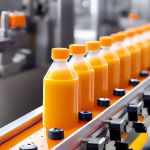

Acidified foods Solutions that Create Competitive Advantage
Acidified foods are a category of food products that have been treated with an acidic solution to lower their pH to 4.6 or below. This process not only imparts a distinctive tart flavor but also plays a crucial role in food preservation. By reducing the pH, the growth of harmful bacteria, yeasts, and molds is inhibited, which significantly extends the shelf life of the products and enhances food safety. Acidified foods play a critical role in food preservation and are appreciated for their distinctive flavors and health benefits. Their versatility in processing and application makes them integral to many dietary cultures and commercial food preparation processes around the world.
-
01 How Acidified Foods Work
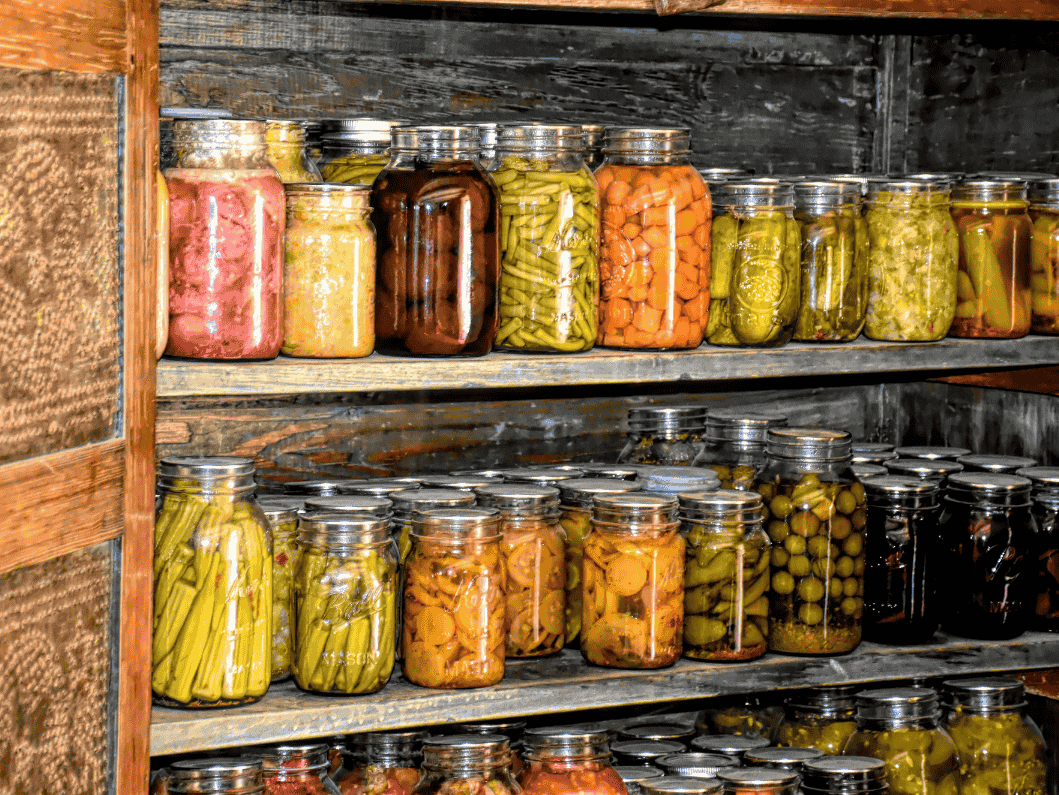
The process of acidifying foods involves adding an acidulant, such as vinegar, citric acid, or lemon juice, to the food product. This addition of acid is strategic, aimed at creating an environment that is hostile to pathogenic microorganisms that cause food spoilage and foodborne illnesses. The acidic environment disrupts the microbial cell activity, preventing these organisms from growing and proliferating. This method is particularly effective against botulism-causing bacteria, which are unable to thrive in low pH environments
-
02 Processing Types
The processing of acidified foods can vary depending on the type of food and the desired end product. Common methods include:
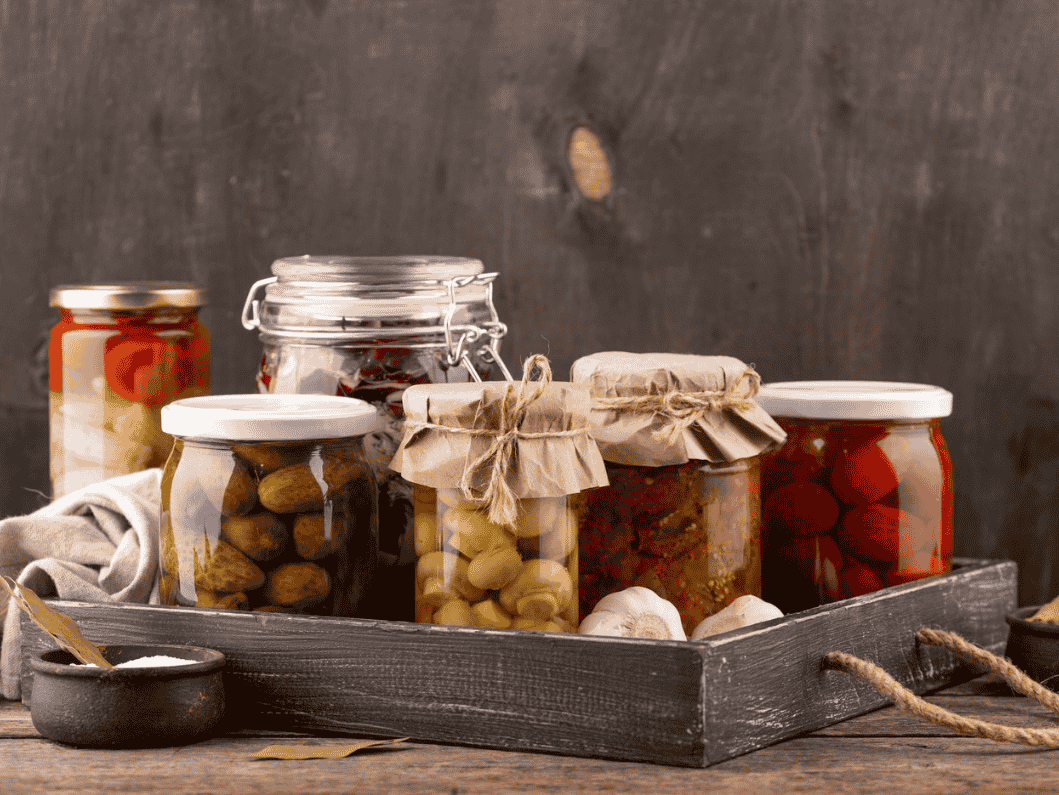
- Pickling: This involves immersing foods like vegetables, fruits, and even meats in an acidic solution or fermenting them in a brine that encourages the growth of beneficial bacteria which produce lactic acid as a byproduct.
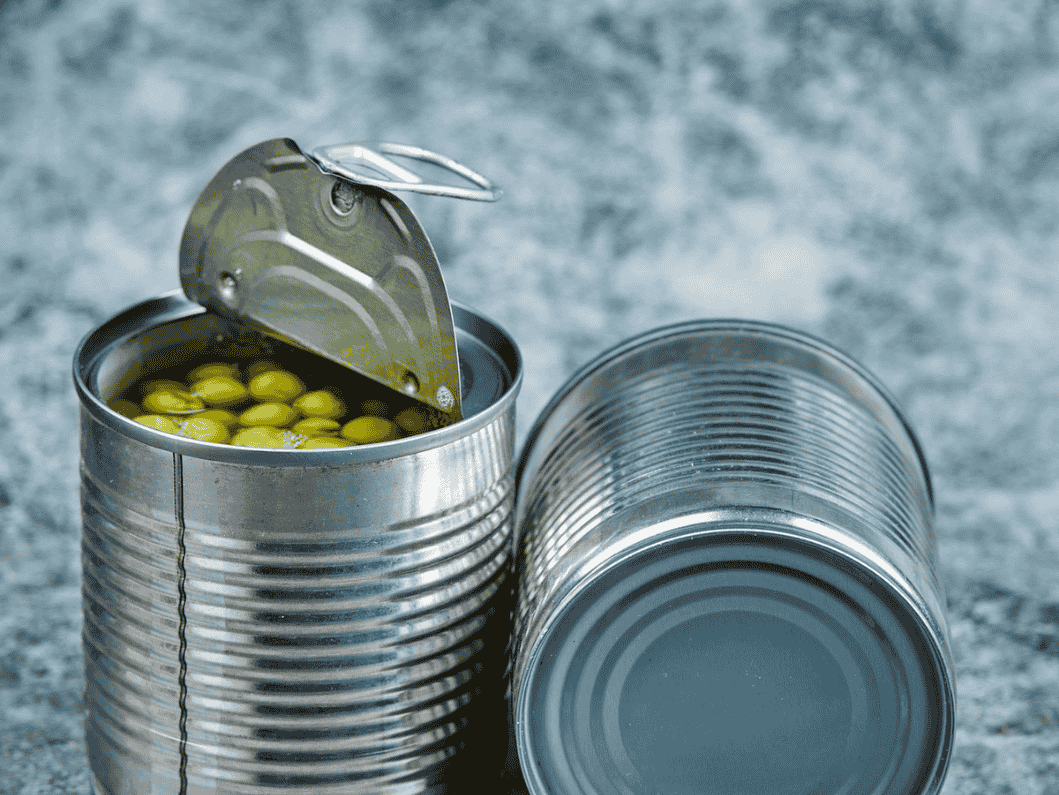
- Canning: Acidified foods are often canned to seal in the freshness and acidic conditions. Canning involves placing foods in jars or cans, covering them with an acidic brine, and then heating them to kill any remaining microorganisms.
- Marinating: Foods may be marinated in acidic solutions which flavor and tenderize the food while also extending its shelf life.
-
03 Benefits of Acidified Foods
The benefits of acidified foods are numerous:
- Extended Shelf Life: The acidic environment reduces spoilage and extends the edibility of the food over time.
- Enhanced Safety: By inhibiting the growth of harmful bacteria, acidified foods are safer to consume, reducing the risk of foodborne illnesses.
- Improved Flavors: The acids used in the process can enhance the natural flavors of the food, adding a depth of taste that is appreciated in many cuisines.
- Nutritional Preservation: Acidifying foods can help retain nutrients that might be lost in other processing methods, such as boiling or frying.
- Economic Efficiency: By extending the shelf life and reducing waste due to spoilage, acidified foods offer economic benefits to both producers and consumers.
-
04 Examples of Acidified Foods Applications
Acidified foods find applications in numerous culinary traditions and commercial food production settings:
- Pickles: Perhaps the most recognizable form of acidified food, pickles are cucumbers that have been submerged in vinegar or a similar acidic solution.
- Sauerkraut: Made from fermented cabbage, sauerkraut is a traditional acidified food that uses the natural lactic acid bacteria present on the cabbage leaves to create its characteristic sour flavor.
- Olives: Often cured and stored in an acidic brine to develop their unique flavor.
- Preserved Lemons: Used extensively in North African and South Asian cuisines, these are lemons that have been preserved in a salt and lemon juice brine.
- Kimchi: A staple in Korean cuisine, this is made from vegetables that are fermented in a brine that encourages the growth of lactic acid bacteria.
Your Gateway to Seamless Acidified Foods Solutions
CoPack Connect can connect brands with contract packagers that offer Acidified Foods Solutions. We make it easy for businesses to find the right manufacturer for their needs and provide the tools and resources they need to manage their shock-absorbing packaging projects successfully.

2000+
Manufacturers