

Cuisines
Mexican cuisine, rich in tradition and flavor, is one of the most vibrant and diverse culinary heritages in the world. It is known for its bold flavors, colorful presentations, and the use of a variety of spices and ingredients. Rooted in the combination of indigenous Mesoamerican cooking with European, particularly Spanish, elements introduced after the Spanish conquest of the Aztec Empire, Mexican cuisine offers a rich tapestry of tastes and textures. Staples such as corn, beans, avocados, tomatoes, and chili peppers are central to many dishes, reflecting the country’s varied geography and long history.
-
01 Origins
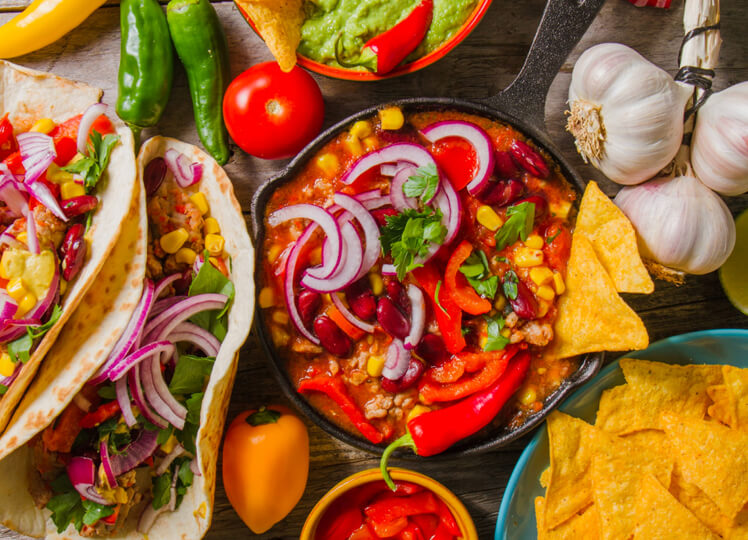
The origins of Mexican cuisine can be traced back thousands of years to ancient civilizations such as the Aztecs and Mayans. These indigenous cultures developed sophisticated agricultural techniques and created a culinary foundation based on maize (corn), which remains a staple food in Mexico today. The Spanish conquest in the 16th century brought new ingredients such as rice, sugar, dairy products, and various meats, which were integrated into traditional dishes, creating a unique fusion. This blend of indigenous and European influences has continued to evolve, incorporating flavors and techniques from various immigrant communities over the centuries.
-
02 Traditional Dishes
Mexican cuisine boasts an array of traditional dishes that vary by region, reflecting local ingredients and culinary practices:
- Tacos: Corn or flour tortillas filled with a variety of ingredients, including meats, beans, cheese, and vegetables, often topped with salsa and fresh lime juice.
- Enchiladas: Tortillas rolled around a filling and covered with a chili pepper sauce, typically accompanied by rice and beans.
- Tamales: Masa (corn dough) filled with meats, cheeses, fruits, or vegetables, wrapped in corn husks or banana leaves, and steamed.
- Mole: A rich, complex sauce made from a blend of chili peppers, spices, chocolate, and other ingredients, often served over meats.
- Pozole: A hearty soup made with hominy corn, meat (usually pork), and seasoned with a variety of spices and garnished with radishes, lettuce, lime, and chili.
- Chiles en Nogada: Poblano chiles stuffed with picadillo (a mixture of meat, fruits, and spices), covered in a walnut cream sauce, and garnished with pomegranate seeds.
-
03 Ingredients and Spices
Mexican cuisine relies heavily on fresh, locally sourced ingredients and a wide array of spices:
- Corn: The foundation of many dishes, used to make tortillas, tamales, and atole (a traditional beverage).
- Beans: A significant protein source, often served as frijoles refritos (refried beans) or in soups and stews.
- Chilies: Used both fresh and dried, chilies add heat and flavor to many dishes. Varieties include jalapeños, serranos, poblanos, and anchos.
- Tomatoes and Tomatillos: Essential for salsas, sauces, and stews.
- Avocados: Used in guacamole, salads, and as a garnish.
- Chocolate and Vanilla: Indigenous to Mexico and used in both savory and sweet dishes.
-
04 Cooking Techniques
Mexican cooking involves a variety of techniques, some of which are ancient and others introduced by the Spanish:
- Grilling and Roasting: Commonly used for meats and vegetables to enhance flavor.
- Stewing and Braising: Techniques for making hearty dishes like mole and pozole.
- Frying: Used for making foods like churros, taquitos, and various fritters.
- Nixtamalization: A process of treating maize with lime to create masa for tortillas and tamales.
-
05 Modern Influences and Adaptations
In recent years, Mexican cuisine has continued to evolve and adapt, influenced by global culinary trends and the availability of new ingredients. Contemporary Mexican chefs are experimenting with traditional flavors and modern techniques to create innovative dishes that honor the roots of Mexican cooking while appealing to a global audience. Mexican street food, with its accessible and flavorful offerings, has also gained international popularity, introducing a wider audience to the delights of tacos, tamales, and more.
-
06 Modern Uses of Mexican Cuisine in Consumer Products
Today, Mexican cuisine has a broad presence in consumer products, reflecting its rich flavors and culinary heritage:
- Packaged Foods: Ready-to-eat meals, snacks, and sauces that bring the flavors of Mexico to homes around the world.
- Spices and Seasonings: Pre-mixed spice blends and seasoning packets for easy preparation of Mexican dishes.
- Beverages: Traditional drinks like horchata, tamarind agua fresca, and Mexican hot chocolate.
- Condiments: A variety of salsas, hot sauces, and pickled vegetables that enhance the flavor of meals.
Applications in Mexican Cuisine

Ready-to-Eat Meals
Contract packagers can efficiently package ready-to-eat Mexican meals, such as burritos, enchiladas, and tamales, ensuring they are sealed for freshness and convenience.

Spices and Seasonings
Mexican spices and seasoning blends, such as taco seasoning, chili powder, and mole sauce mixes, can be packaged in various formats including sachets, jars, and resealable pouches.

Sauces and Condiments
Traditional Mexican sauces like salsa, guacamole, and hot sauce require careful packaging to maintain their flavor and shelf life. Contract packagers offer solutions such as glass jars, plastic bottles, and single-serve packets.
Beverages
Drinks like horchata, tamarind agua fresca, and Mexican hot chocolate mix can be packaged in bottles, cartons, or powder sachets for easy distribution and consumption.
Snack Foods
Popular Mexican snacks, such as tortilla chips, churros, and dried chili products, benefit from specialized packaging that keeps them crisp and flavorful.

2000+
Manufacturers