

Cuisines
Chinese cuisine, celebrated for its depth of flavor and extensive variety, is one of the most sophisticated and ancient culinary traditions in the world. With a history spanning thousands of years, Chinese cooking is known for its meticulous preparation, regional diversity, and the harmonious balance of taste, texture, color, and aroma. The cuisine incorporates a wide range of ingredients and techniques, influenced by the country’s geography, culture, and history. Staples such as rice, noodles, vegetables, and soy products are integral to many dishes, showcasing the nation’s agricultural richness and culinary heritage.
-
01 Origins
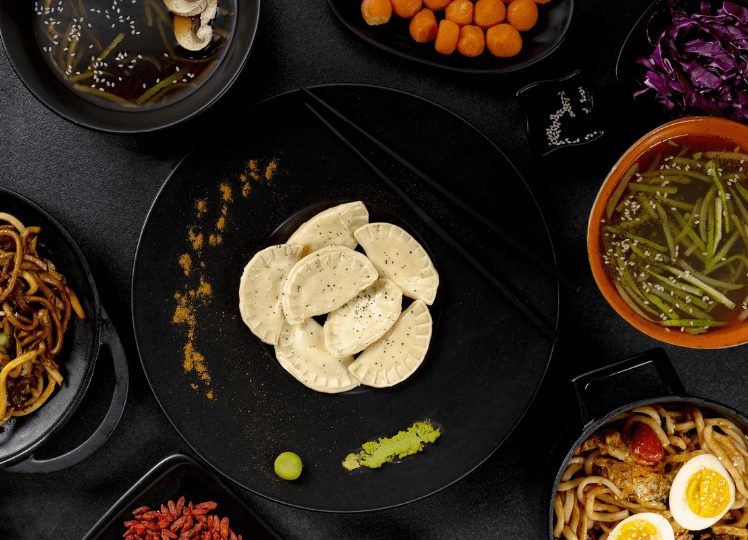
The origins of Chinese cuisine are deeply rooted in its long history, dating back to ancient dynasties. Early Chinese culinary practices were shaped by agriculture and the development of cooking techniques over millennia. The Han Dynasty (206 BCE–220 CE) saw the standardization of Chinese cuisine, while the Tang (618–907 CE) and Song (960–1279 CE) Dynasties marked periods of culinary refinement and innovation. The influence of trade along the Silk Road introduced new ingredients and methods, further enriching Chinese culinary traditions. This extensive history has resulted in a cuisine that is diverse and rich in cultural significance.
-
02 Regional Cuisines
Chinese cuisine is incredibly diverse, with each region offering unique dishes and flavors:
- Cantonese (Guangdong) Cuisine: Known for its fresh ingredients, mild flavors, and variety of seafood dishes. Dim sum is a popular example.
- Sichuan Cuisine: Famous for its bold and spicy flavors, featuring ingredients like Sichuan peppercorns and chili peppers. Dishes such as Kung Pao Chicken and Mapo Tofu are well-known.
- Shandong Cuisine: Emphasizes fresh and salty flavors, often using seafood and grains. Known for dishes like sweet and sour carp.
- Jiangsu Cuisine: Known for its sophisticated cooking techniques and balance of sweet and savory flavors. Signature dishes include braised pork belly and lion’s head meatballs.
- Zhejiang Cuisine: Focuses on fresh, light, and subtly seasoned dishes. West Lake fish in vinegar is a notable example.
- Hunan Cuisine: Characterized by its hot and sour flavors, featuring pickled ingredients and spicy dishes like Hunan-style beef.
-
03 Traditional Dishes
Chinese cuisine boasts an array of traditional dishes that are enjoyed both domestically and internationally:
- Peking Duck: Roasted duck with crispy skin, served with pancakes, hoisin sauce, and scallions.
- Dumplings (Jiaozi): Dough filled with meat and vegetables, boiled, steamed, or fried.
- Sweet and Sour Pork: Pork pieces in a tangy and sweet sauce, often served with pineapple and bell peppers.
- Hot Pot: A communal dish where diners cook raw ingredients in a simmering pot of broth at the table.
- Fried Rice: Stir-fried rice with vegetables, eggs, and often meat or seafood.
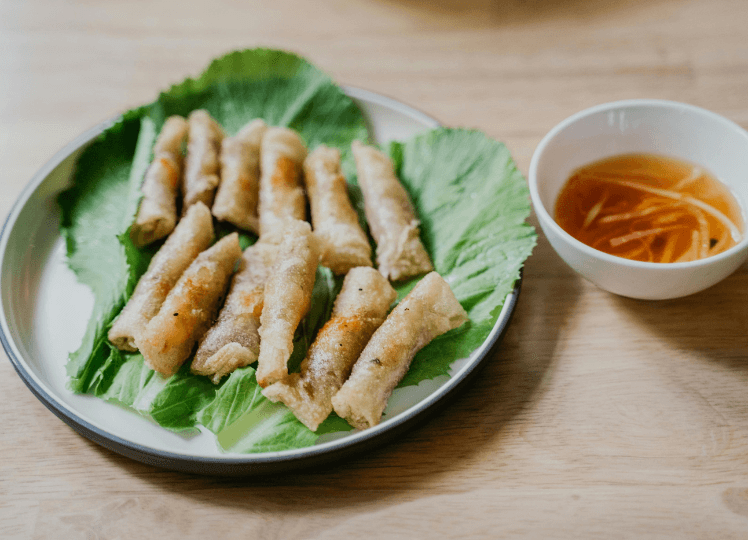
- Spring Rolls: Thin pastry rolls filled with vegetables and meat, deep-fried until crispy.
-
04 Ingredients and Spices
Chinese cuisine relies on a variety of ingredients and spices to create its distinctive flavors:
- Rice: A staple in many meals, used in dishes like fried rice and congee.
- Noodles: Varieties such as wheat, rice, and egg noodles are central to many dishes.
- Soy Products: Tofu, soy sauce, and soy milk are widely used.
- Vegetables: Bok choy, Chinese cabbage, and bamboo shoots are commonly used.
- Spices and Aromatics: Ginger, garlic, scallions, star anise, and Sichuan peppercorns add depth and complexity to dishes.
- Tea: Used both as a beverage and in cooking, particularly in dishes like tea-smoked duck.
-
05 Cooking Techniques
Chinese cooking involves a range of techniques, each contributing to the unique characteristics of the cuisine:
- Stir-frying: A quick and high-heat method using a wok to preserve the texture and flavor of ingredients.
- Steaming: A healthy cooking method used for vegetables, fish, and dim sum.
- Deep-frying: Used for creating crispy textures in dishes like spring rolls and sweet and sour pork.
- Braised and Stewing: Techniques used for making rich, flavorful dishes like red-cooked pork.
- Blanching and Poaching: Methods to gently cook ingredients while retaining their color and nutrients.
-
06 Modern Influences and Adaptations
In recent years, Chinese cuisine has continued to evolve, influenced by global culinary trends and the availability of new ingredients. Contemporary Chinese chefs are experimenting with traditional flavors and modern techniques to create innovative dishes that honor the roots of Chinese cooking while appealing to a global audience. Chinese street food, with its accessible and flavorful offerings, has also gained international popularity, introducing a wider audience to the delights of dumplings, noodles, and more.
-
07 Modern Uses of Chinese Cuisine in Consumer Products
Today, Chinese cuisine has a broad presence in consumer products, reflecting its rich flavors and culinary heritage:
- Packaged Foods: Ready-to-eat meals, snacks, and sauces that bring the flavors of China to homes around the world.
- Spices and Seasonings: Pre-mixed spice blends and seasoning packets for easy preparation of Chinese dishes.
- Beverages: Traditional drinks like green tea, bubble tea, and Chinese herbal teas.
- Condiments: A variety of sauces, including soy sauce, hoisin sauce, and chili oil that enhance the flavor of meals.
Applications in Chinese Cuisine

Ready-to-Eat Meals
Contract packagers can efficiently package ready-to-eat Chinese meals, such as dumplings, stir-fries, and fried rice, ensuring they are sealed for freshness and convenience.

Spices and Seasonings
Chinese spices and seasoning blends, such as five-spice powder, Sichuan peppercorns, and stir-fry sauce mixes, can be packaged in various formats including sachets, jars, and resealable pouches.

Sauces and Condiments
Traditional Chinese sauces like soy sauce, hoisin sauce, and chili oil require careful packaging to maintain their flavor and shelf life. Contract packagers offer solutions such as glass jars, plastic bottles, and single-serve packets.
Beverages
Drinks like green tea, bubble tea, and Chinese herbal teas can be packaged in bottles, cartons, or tea bags for easy distribution and consumption.
Snack Foods
Popular Chinese snacks, such as rice crackers, dried fruits, and Peking duck-flavored chips, benefit from specialized packaging that keeps them crisp and flavorful.

2000+
Manufacturers