

Cuisines
Moroccan cuisine, with its rich history and vibrant flavors, stands out as one of the most diverse and delicious culinary traditions in the world. It is characterized by its unique blend of sweet and savory flavors, aromatic spices, and an array of textures and colors. Rooted in the intersection of various cultural influences, including Arab, Berber, Andalusian, and Mediterranean, Moroccan cuisine offers a fascinating tapestry of tastes that reflect the country’s geographical and cultural diversity.
-
01 Origins
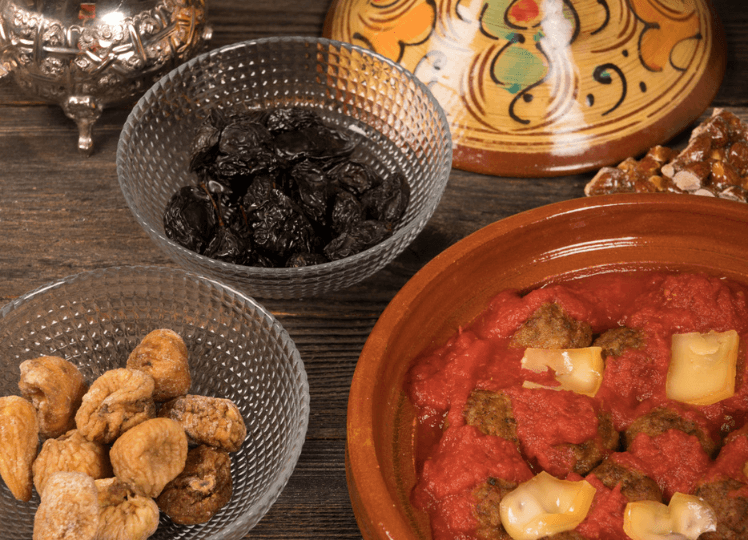
The origins of Moroccan cuisine can be traced back to the indigenous Berbers, who developed the foundation of this culinary tradition. Over centuries, Morocco became a melting pot of various cultures, each leaving a mark on the local cuisine. The Arab invasion in the 7th century introduced new spices and cooking techniques. Later, the Moors brought Andalusian influences, including the use of fruits in savory dishes. The arrival of the French during the colonial period also added to the culinary diversity, creating a cuisine that is both complex and harmonious.
-
02 Traditional Dishes
Moroccan cuisine boasts an array of traditional dishes that reflect the country’s rich culinary heritage:
- Tagine: Named after the earthenware pot in which it is cooked, tagine is a slow-cooked stew of meat, poultry, or fish combined with vegetables, dried fruits, and a variety of spices.
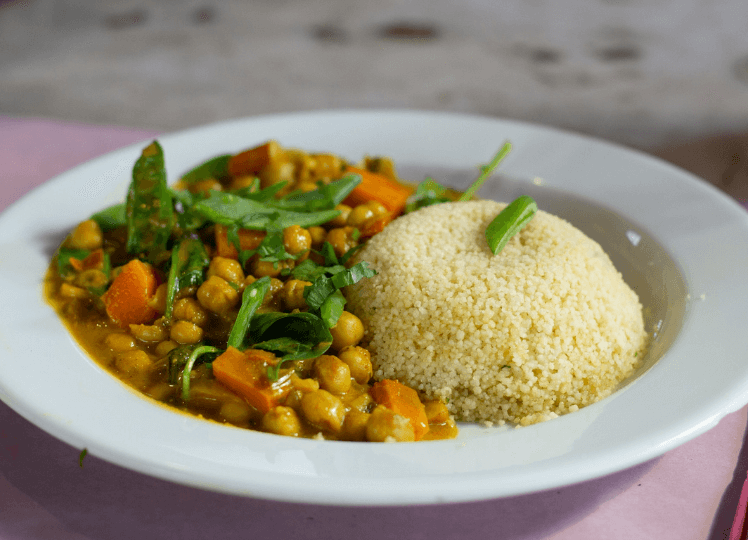
- Couscous: A staple dish made from steamed semolina grains, couscous is often served with meat or vegetable stews and garnished with chickpeas and raisins.
- Harira: A traditional soup made with tomatoes, lentils, chickpeas, and lamb, harira is often enjoyed during Ramadan to break the fast.
- Pastilla: A savory-sweet pastry filled with pigeon or chicken, almonds, and spices, wrapped in layers of thin, flaky dough, and dusted with powdered sugar and cinnamon.
- Mechoui: Whole lamb or beef slow-roasted and seasoned with a blend of Moroccan spices, often served at festive occasions.
- B’stilla: A festive dish made from layers of pastry filled with spiced meat (often pigeon), almonds, and eggs, dusted with powdered sugar and cinnamon.
-
03 Ingredients and Spices
Moroccan cuisine relies heavily on fresh, locally sourced ingredients and a wide array of spices:
- Saffron: Used for its vibrant color and unique flavor, saffron is a key ingredient in many Moroccan dishes.
- Preserved Lemons: Lemons pickled in salt and their own juices, adding a distinctive tangy flavor to dishes like tagines and salads.
- Olives: Widely used in Moroccan cooking, both whole and as olive oil, providing a rich, salty taste.
- Harissa: A spicy chili paste made from roasted red peppers, garlic, olive oil, and a blend of spices, often used to add heat to dishes.
- Ras el Hanout: A complex spice blend typically containing over a dozen spices, including cinnamon, cumin, ginger, and turmeric, essential to Moroccan cuisine.
- Almonds: Used in both sweet and savory dishes, providing a nutty flavor and crunchy texture.
-
04 Cooking Techniques
Moroccan cooking involves a variety of techniques that enhance the flavors and textures of the dishes:
- Slow Cooking: Essential for dishes like tagines and stews, allowing flavors to meld and intensify.
- Steaming: Used for preparing couscous and some vegetable dishes, preserving the ingredients’ natural flavors and nutrients.
- Baking: Commonly used for pastries and bread, providing a crispy exterior and tender interior.
- Grilling: Used for meats and fish, imparting a smoky flavor and charred texture.
-
05 Modern Influences and Adaptations
In recent years, Moroccan cuisine has continued to evolve, influenced by global culinary trends and the availability of new ingredients. Contemporary Moroccan chefs are experimenting with traditional flavors and modern techniques to create innovative dishes that honor the roots of Moroccan cooking while appealing to a global audience. Moroccan street food, with its accessible and flavorful offerings, has also gained international popularity, introducing a wider audience to the delights of tagines, couscous, and more.
-
06 Modern Uses of Moroccan Cuisine in Consumer Products
Today, Moroccan cuisine has a broad presence in consumer products, reflecting its rich flavors and culinary heritage:
- Packaged Foods: Ready-to-eat meals, snacks, and sauces that bring the flavors of Morocco to homes around the world.
- Spices and Seasonings: Pre-mixed spice blends and seasoning packets for easy preparation of Moroccan dishes.
- Beverages: Traditional drinks like mint tea and almond milk.
- Condiments: A variety of spice mixes, sauces, and pickled vegetables that enhance the flavor of meals.
Applications in Moroccan Cuisine

Ready-to-Eat Meals
Contract packagers can efficiently package ready-to-eat Moroccan meals, such as tagines, couscous, and harira, ensuring they are sealed for freshness and convenience.

Spices and Seasonings
Moroccan spices and seasoning blends, such as ras el hanout, cumin, and saffron, can be packaged in various formats including sachets, jars, and resealable pouches.

Sauces and Condiments
Traditional Moroccan sauces like harissa and preserved lemons require careful packaging to maintain their flavor and shelf life. Contract packagers offer solutions such as glass jars, plastic bottles, and single-serve packets.
Beverages
Drinks like Moroccan mint tea and almond milk can be packaged in bottles, cartons, or powder sachets for easy distribution and consumption.
Snack Foods
Popular Moroccan snacks, such as almond pastries, dried fruits, and spiced nuts, benefit from specialized packaging that keeps them fresh and flavorful.

2000+
Manufacturers