

Cuisines
Korean cuisine, known for its bold flavors, vibrant colors, and healthful ingredients, is a culinary tradition that reflects the country’s rich cultural heritage and natural bounty. It is characterized by a balance of flavors—spicy, sweet, sour, salty, and bitter—and the use of fresh, locally sourced ingredients. Rooted in ancient agricultural and nomadic traditions, Korean cuisine has evolved over centuries, influenced by its geography, history, and interactions with neighboring cultures.
-
01 Origins
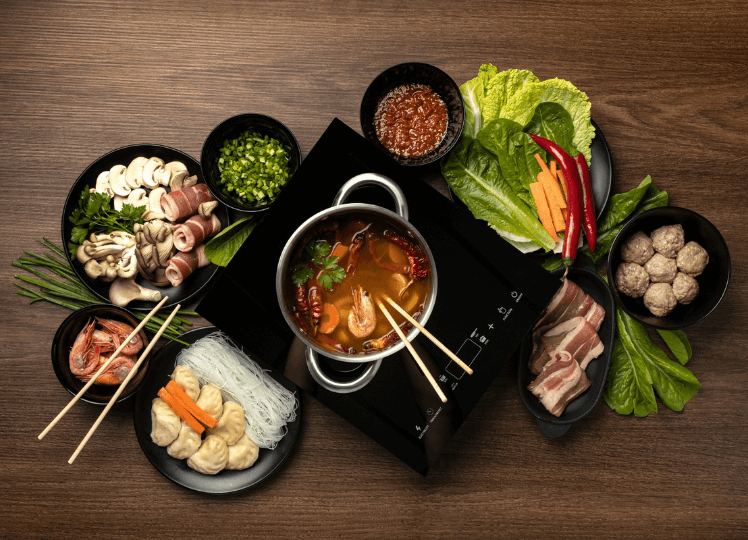
The origins of Korean cuisine can be traced back to prehistoric times, with the development of agricultural practices that centered on rice cultivation, millet, and barley. Ancient Koreans also harvested a variety of wild plants and developed methods of preserving food through fermentation. The introduction of Buddhism in the 4th century brought vegetarian dietary practices, while the influence of Chinese and Mongolian cuisine introduced new ingredients and cooking techniques. The Korean royal court during the Joseon Dynasty (1392-1897) further refined Korean culinary traditions, emphasizing a balance of flavors and the artful presentation of food.
-
02 Traditional Dishes
Korean cuisine features a wide array of traditional dishes, each with unique regional variations:
- Kimchi: A staple in Korean cuisine, kimchi is a fermented vegetable dish, usually made with napa cabbage and radishes, seasoned with chili pepper, garlic, ginger, and salted seafood. It is known for its spicy and tangy flavor and is served with almost every meal.
- Bulgogi: Marinated beef, often grilled or stir-fried, bulgogi is flavored with soy sauce, sugar, sesame oil, garlic, and pepper, resulting in a savory and slightly sweet dish.
- Bibimbap: A mixed rice dish topped with various vegetables, beef, a fried egg, and gochujang (chili pepper paste). The ingredients are mixed together just before eating, creating a harmonious blend of flavors and textures.
- Japchae: Stir-fried glass noodles made from sweet potato starch, mixed with vegetables, meat, soy sauce, and sesame oil. Japchae is often served as a side dish or special occasion food.
- Tteokbokki: Spicy stir-fried rice cakes, commonly found in street food stalls. Tteokbokki is made with chewy rice cakes, fish cakes, and a sweet and spicy sauce made from gochujang.
- Samgyeopsal: Thick slices of pork belly grilled at the table and typically served with garlic, green chili peppers, and a dipping sauce. It is often wrapped in lettuce leaves with ssamjang (a thick, spicy paste).
-
03 Ingredients and Spices
Korean cuisine relies heavily on fresh, seasonal ingredients and a variety of spices and condiments:
- Rice: The primary staple, served with almost every meal.
- Soy Sauce and Doenjang: Fermented soybean products used for seasoning and as a base for soups and stews.
- Garlic and Ginger: Essential aromatic ingredients used in many Korean dishes.
- Gochujang and Gochugaru: Red chili paste and chili powder that add heat and depth of flavor.
- Sesame Oil and Seeds: Used for seasoning and garnishing.
- Seafood: Widely used in coastal areas, both fresh and dried.
-
04 Cooking Techniques
Korean cooking employs a variety of techniques that highlight the natural flavors of the ingredients:
- Grilling and Barbecuing: Commonly used for meats like bulgogi and samgyeopsal.
- Fermenting: A traditional method for preserving vegetables and enhancing flavors, exemplified by kimchi and doenjang.
- Stewing and Braising: Techniques used for dishes like kimchi jjigae (kimchi stew) and galbi jjim (braised short ribs).
- Stir-Frying: Used for dishes like japchae and various vegetable side dishes.
-
05 Modern Influences and Adaptations
In recent years, Korean cuisine has gained international popularity, influenced by global culinary trends and the spread of Korean pop culture (K-pop). Contemporary Korean chefs are experimenting with traditional flavors and modern techniques to create innovative dishes that appeal to a global audience. Korean street food, with its accessible and flavorful offerings, has also become a favorite worldwide, introducing more people to the delights of Korean cuisine.
-
06 Modern Uses of Korean Cuisine in Consumer Products
Korean cuisine has a broad presence in consumer products, reflecting its rich flavors and culinary heritage:
- Packaged Foods: Ready-to-eat meals, snacks, and sauces that bring the flavors of Korea to homes around the world.
- Spices and Seasonings: Pre-mixed spice blends and seasoning packets for easy preparation of Korean dishes.
- Beverages: Traditional drinks like soju, makgeolli (rice wine), and barley tea.
- Condiments: A variety of sauces, pastes, and pickled vegetables that enhance the flavor of meals.
Applications in Korean Cuisine

Ready-to-Eat Meals
Contract packagers can efficiently package ready-to-eat Korean meals, such as bibimbap, tteokbokki, and bulgogi, ensuring they are sealed for freshness and convenience.

Spices and Seasonings
Korean spices and seasoning blends, such as gochujang, doenjang, and kimchi seasoning, can be packaged in various formats including sachets, jars, and resealable pouches.

Sauces and Condiments
Traditional Korean sauces like soy sauce, gochujang, and sesame oil require careful packaging to maintain their flavor and shelf life. Contract packagers offer solutions such as glass jars, plastic bottles, and single-serve packets.
Beverages
Drinks like soju, makgeolli, and Korean teas can be packaged in bottles, cartons, or powder sachets for easy distribution and consumption.
Snack Foods
Popular Korean snacks, such as seaweed crisps, rice cakes, and dried squid, benefit from specialized packaging that keeps them crisp and flavorful.

2000+
Manufacturers