

Cuisines
Thai cuisine, renowned for its aromatic components and spicy edge, is a rich and diverse culinary tradition. It is characterized by a balance of five fundamental flavors: sweet, sour, salty, bitter, and spicy. Known for its intricate interplay of flavors and use of fresh ingredients, Thai cuisine offers a vibrant culinary experience rooted in centuries-old traditions. Staples such as rice, noodles, vegetables, and a variety of herbs and spices are central to many dishes, reflecting the country’s diverse geography and cultural history.
-
01 Origins
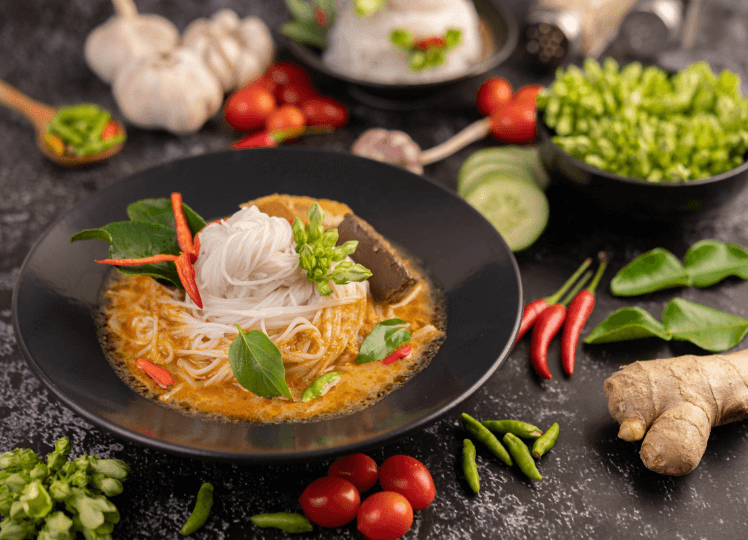
The origins of Thai cuisine can be traced back to the ancient kingdoms of Sukhothai and Ayutthaya, where influences from neighboring regions such as China, India, Malaysia, and Indonesia began to merge with indigenous culinary practices. Thai cooking traditionally relies on fresh, locally sourced ingredients and has evolved to incorporate techniques and flavors introduced by traders and immigrants over the centuries. This blend of influences has created a cuisine that is uniquely Thai, characterized by its harmonious balance of flavors.
-
02 Traditional Dishes
Thai cuisine offers a wide variety of traditional dishes, each with its own regional variations and unique ingredients:
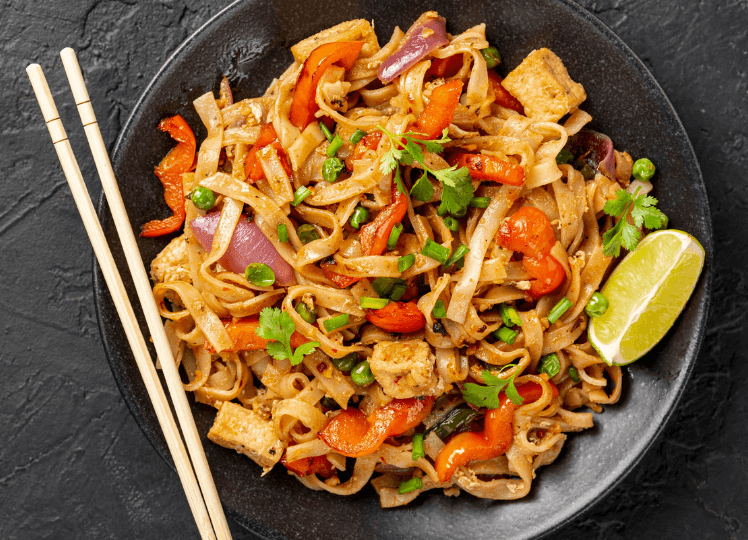
- Pad Thai: Stir-fried rice noodles with eggs, tofu, shrimp, or chicken, garnished with peanuts, lime, and bean sprouts.
- Tom Yum: A hot and sour soup made with shrimp, lemongrass, kaffir lime leaves, galangal, and chili peppers.
- Green Curry (Kaeng Khiao Wan): A spicy coconut milk-based curry with green chili paste, chicken or beef, and Thai eggplants.
- Som Tum: A spicy green papaya salad with tomatoes, peanuts, and dried shrimp, dressed with lime juice, fish sauce, and palm sugar.
- Massaman Curry: A rich, mildly spicy curry with beef or chicken, potatoes, and peanuts, flavored with cardamom, cinnamon, and tamarind.
- Mango Sticky Rice: A popular dessert made with sweet sticky rice, fresh mango slices, and coconut milk.
-
03 Ingredients and Spices
Thai cuisine relies on a variety of fresh herbs and spices to create its distinctive flavors:
- Rice: A staple food in Thailand, with jasmine rice being the most common variety.
- Noodles: Used in a variety of dishes, including pad Thai and noodle soups.
- Fish Sauce: A salty, fermented condiment used to add depth of flavor.
- Lemongrass and Kaffir Lime Leaves: Aromatic herbs essential in soups, curries, and salads.
- Galangal: A root similar to ginger, used for its peppery flavor.
- Coconut Milk: Adds richness to many Thai curries and desserts.
- Chilies: Both fresh and dried, chilies are used to add heat to many dishes.
-
04 Cooking Techniques
Thai cooking employs a variety of techniques, some of which have been influenced by other Asian cuisines:
- Stir-Frying: A quick cooking method used for many noodle and vegetable dishes.
- Grilling: Commonly used for meats and seafood, enhancing their flavors.
- Simmering and Boiling: Used for soups and curries to meld flavors together.
- Steaming: A healthy cooking method for fish, vegetables, and desserts.
- Pounding: Ingredients like chilies, garlic, and herbs are often pounded together in a mortar and pestle to release their flavors.
-
05 Modern Influences and Adaptations
Thai cuisine continues to evolve and adapt, influenced by global culinary trends and the availability of new ingredients. Contemporary Thai chefs are blending traditional flavors with modern techniques to create innovative dishes that honor the roots of Thai cooking while appealing to a global audience. Thai street food, with its vibrant and accessible offerings, has gained international popularity, introducing a wider audience to the delights of pad Thai, satay, and more.
-
06 Modern Uses of Thai Cuisine in Consumer Products
Today, Thai cuisine has a broad presence in consumer products, reflecting its rich flavors and culinary heritage:
- Packaged Foods: Ready-to-eat meals, snacks, and sauces that bring the flavors of Thailand to homes around the world.
- Spices and Seasonings: Pre-mixed spice blends and seasoning packets for easy preparation of Thai dishes.
- Beverages: Traditional drinks like Thai iced tea and lemongrass tea.
- Condiments: A variety of sauces, pastes, and pickled vegetables that enhance the flavor of meals.
Applications in Thai Cuisine

Ready-to-Eat Meals
Contract packagers can efficiently package ready-to-eat Thai meals, such as pad Thai, green curry, and tom yum soup, ensuring they are sealed for freshness and convenience.

Spices and Seasonings
Thai spices and seasoning blends, such as red curry paste, lemongrass powder, and chili flakes, can be packaged in various formats including sachets, jars, and resealable pouches.

Sauces and Condiments
Traditional Thai sauces like fish sauce, sriracha, and peanut sauce require careful packaging to maintain their flavor and shelf life. Contract packagers offer solutions such as glass jars, plastic bottles, and single-serve packets.
Beverages
Drinks like Thai iced tea and lemongrass tea can be packaged in bottles, cartons, or powder sachets for easy distribution and consumption.
Snack Foods
Popular Thai snacks, such as shrimp chips, dried fruits, and spicy peanuts, benefit from specialized packaging that keeps them fresh and flavorful.

2000+
Manufacturers