

Cuisines
Spanish cuisine, deeply rooted in tradition and influenced by a diverse range of cultures, is renowned for its rich flavors, vibrant colors, and diverse ingredients. The culinary heritage of Spain reflects a mosaic of regional specialties, each with its own unique ingredients and cooking techniques. From the fertile plains of Andalusia to the coastal regions of Galicia, Spanish cuisine offers a delectable journey through centuries of culinary evolution. Staples such as olive oil, garlic, tomatoes, and a variety of fresh seafood and meats are central to many dishes, showcasing the country’s varied geography and rich cultural history.
-
01 Origins
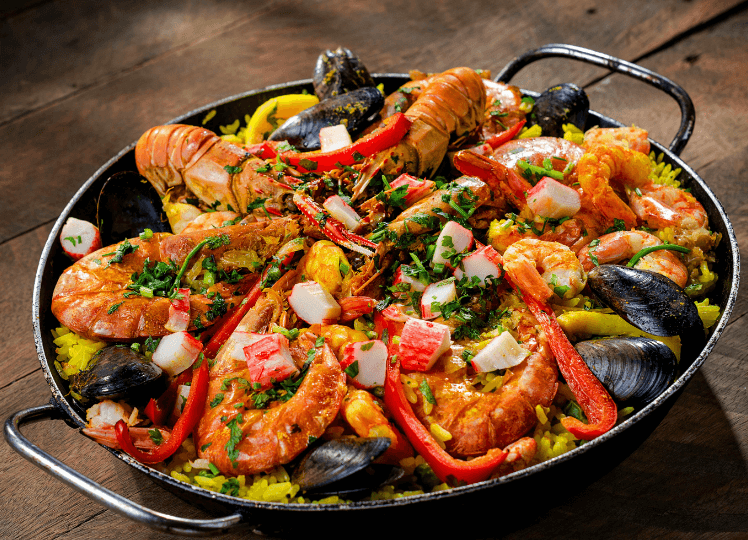
The origins of Spanish cuisine date back thousands of years, influenced by a variety of cultures including the Romans, Moors, and later, the New World discoveries. The Romans introduced olive oil, wine, and wheat, which remain staples in Spanish cooking. The Moors, who ruled Spain for nearly 800 years, left a lasting legacy with their introduction of rice, saffron, almonds, and citrus fruits. The discovery of the Americas brought new ingredients such as tomatoes, peppers, potatoes, and chocolate, which were quickly integrated into Spanish cuisine, creating a unique and flavorful blend of tastes and textures.
-
02 Traditional Dishes
Spanish cuisine is celebrated for its array of traditional dishes, each region boasting its own specialties:
- Paella: Originating from Valencia, this iconic dish combines rice with saffron, seafood, chicken, and a variety of vegetables, cooked in a large, shallow pan.
- Tapas: Small plates or appetizers that can include a wide range of ingredients such as olives, cheese, chorizo, and seafood. Tapas are a cornerstone of Spanish social dining.
- Gazpacho: A cold soup made from tomatoes, peppers, cucumbers, onions, and garlic, blended with olive oil and vinegar, perfect for hot summer days.
- Tortilla Española: A thick, hearty omelette made with eggs, potatoes, and onions, often served as a tapa or light meal.
- Jamón Ibérico: A cured ham from the Iberian Peninsula, known for its rich, nutty flavor and melt-in-the-mouth texture, often enjoyed as a delicacy.
- Churros: Deep-fried dough pastries, often dusted with sugar and served with a thick, rich chocolate sauce for dipping.
-
03 Ingredients and Spices
Spanish cuisine relies heavily on fresh, locally sourced ingredients and a variety of spices:
- Olive Oil: A fundamental ingredient used in cooking, dressing salads, and drizzling over dishes.
- Garlic: Widely used for its aromatic flavor in many Spanish dishes.
- Tomatoes: Essential for sauces, stews, and salads.
- Paprika: Adds depth and a smoky flavor to dishes, available in sweet, hot, and smoked varieties.
- Saffron: A prized spice that gives paella its distinctive color and flavor.
- Seafood: Fresh fish, squid, octopus, and shellfish are staples, especially in coastal regions.
-
04 Cooking Techniques
Spanish cooking involves a variety of techniques, some ancient and others influenced by different cultures over the centuries:
- Grilling and Roasting: Commonly used for meats and vegetables, often with a simple seasoning of olive oil and salt.
- Braising and Stewing: Techniques for making hearty dishes like cocido and fabada.
- Frying: Used for making foods like churros, croquetas, and fried fish.
- Curing: Essential for producing traditional hams and sausages such as Jamón Ibérico and chorizo.
-
05 Modern Influences and Adaptations
In recent years, Spanish cuisine has evolved, influenced by global culinary trends and the availability of new ingredients. Contemporary Spanish chefs are experimenting with traditional flavors and modern techniques to create innovative dishes that honor the roots of Spanish cooking while appealing to a global audience. Spanish tapas, with their diverse and flavorful offerings, have gained international popularity, introducing a wider audience to the delights of Spanish dining culture.
-
06 Modern Uses of Spanish Cuisine in Consumer Products
Today, Spanish cuisine has a broad presence in consumer products, reflecting its rich flavors and culinary heritage:
- Packaged Foods: Ready-to-eat meals, snacks, and sauces that bring the flavors of Spain to homes around the world.
- Spices and Seasonings: Pre-mixed spice blends and seasoning packets for easy preparation of Spanish dishes.
- Beverages: Traditional drinks like sangria, tinto de verano, and Spanish wines.
- Condiments: A variety of sauces, such as alioli, romesco, and brava sauce, enhance the flavor of meals.
Applications in Spanish Cuisine

Ready-to-Eat Meals
Contract packagers can efficiently package ready-to-eat Spanish meals, such as paella, tortilla española, and tapas assortments, ensuring they are sealed for freshness and convenience.

Spices and Seasonings
Spanish spices and seasoning blends, such as paprika, saffron, and paella spice mixes, can be packaged in various formats including sachets, jars, and resealable pouches.

Sauces and Condiments
Traditional Spanish sauces like alioli, romesco, and brava sauce require careful packaging to maintain their flavor and shelf life. Contract packagers offer solutions such as glass jars, plastic bottles, and single-serve packets.
Beverages
Drinks like sangria, tinto de verano, and Spanish wines can be packaged in bottles, cartons, or powder sachets for easy distribution and consumption.
Snack Foods
Popular Spanish snacks, such as olives, marcona almonds, and manchego cheese, benefit from specialized packaging that keeps them fresh and flavorful.

2000+
Manufacturers