

Cuisines
Russian cuisine, steeped in history and cultural diversity, offers a rich and varied culinary experience. Known for its hearty and comforting dishes, Russian food is a reflection of the country’s vast geography and the influences of its numerous ethnic groups. The cuisine is characterized by robust flavors, the use of seasonal ingredients, and traditional cooking techniques that have been passed down through generations. Staples such as bread, potatoes, and root vegetables play a central role, complemented by meats, fish, and dairy products.
-
01 Origins

The origins of Russian cuisine are deeply rooted in the country’s history, shaped by the agricultural practices and natural resources available in the region. The harsh climate and long winters necessitated the development of preservation techniques, such as pickling, fermenting, and smoking, which remain integral to the cuisine today. The introduction of new ingredients and culinary methods from Europe and Asia over the centuries has further enriched Russian cuisine, creating a unique blend of flavors and traditions.
-
02 Traditional Dishes
Russian cuisine boasts an array of traditional dishes that vary by region, reflecting local ingredients and culinary practices:
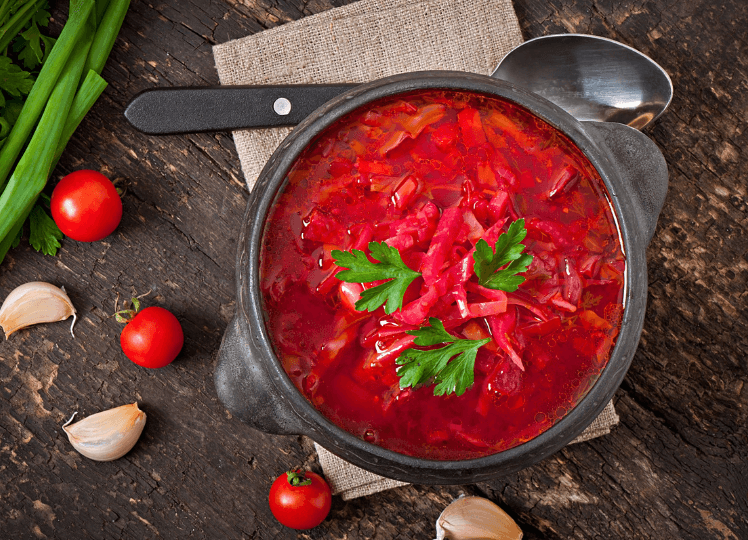
- Borscht: A beet soup often made with beef or pork, served with sour cream and dill.
- Pelmeni: Dumplings filled with meat, often served with butter, sour cream, or in broth.
- Blini: Thin pancakes made from wheat or buckwheat flour, served with sweet or savory toppings such as caviar, smoked salmon, or honey.
- Beef Stroganoff: Sautéed pieces of beef in a creamy mushroom sauce, typically served over noodles or rice.
- Shchi: A cabbage soup that can be made with fresh or fermented cabbage, often containing meat and root vegetables.
- Pirozhki: Small pastries filled with a variety of ingredients, including meat, vegetables, or fruit.
-
03 Ingredients and Spices
Russian cuisine relies heavily on fresh, locally sourced ingredients and a variety of spices and herbs:
- Bread: A staple in the Russian diet, particularly rye bread, which is dense and flavorful.
- Potatoes: Used in a variety of dishes, from soups to salads to main courses.
- Cabbage: Essential for dishes like borscht, shchi, and various salads.
- Dairy Products: Sour cream, kefir, and tvorog (a type of cottage cheese) are commonly used.
- Fish: Particularly herring and salmon, often smoked or pickled.
- Mushrooms: Foraged from the forests, mushrooms are used in soups, sauces, and as fillings.
- Dill and Parsley: Frequently used herbs that add freshness to many dishes.
-
04 Cooking Techniques
Russian cooking involves a variety of techniques, many of which are designed to enhance the flavor and preserve the longevity of food:
- Boiling and Simmering: Common methods for making soups and stews.
- Baking: Used for bread, pastries, and casseroles.
- Pickling and Fermenting: Techniques used to preserve vegetables, fish, and dairy products.
- Smoking: A method for preserving and flavoring fish and meats.
-
05 Modern Influences and Adaptations
In recent years, Russian cuisine has continued to evolve and adapt, influenced by global culinary trends and the availability of new ingredients. Contemporary Russian chefs are experimenting with traditional flavors and modern techniques to create innovative dishes that honor the roots of Russian cooking while appealing to a global audience. Russian street food, with its accessible and flavorful offerings, has also gained international popularity, introducing a wider audience to the delights of blini, pirozhki, and more.
-
06 Modern Uses of Russian Cuisine in Consumer Products
Today, Russian cuisine has a broad presence in consumer products, reflecting its rich flavors and culinary heritage:
- Packaged Foods: Ready-to-eat meals, snacks, and soups that bring the flavors of Russia to homes around the world.
- Spices and Seasonings: Pre-mixed spice blends and seasoning packets for easy preparation of Russian dishes.
- Beverages: Traditional drinks like kvass, mors, and Russian tea blends.
- Condiments: A variety of sauces, pickled vegetables, and spreads that enhance the flavor of meals.
Applications in Russian Cuisine

Ready-to-Eat Meals
Contract packagers can efficiently package ready-to-eat Russian meals, such as beef stroganoff, pelmeni, and borscht, ensuring they are sealed for freshness and convenience.

Spices and Seasonings
Russian spices and seasoning blends, such as dill, caraway, and pickling spices, can be packaged in various formats including sachets, jars, and resealable pouches.

Sauces and Condiments
Traditional Russian sauces like adjika, sour cream, and mustard require careful packaging to maintain their flavor and shelf life. Contract packagers offer solutions such as glass jars, plastic bottles, and single-serve packets.
Beverages
Drinks like kvass, mors, and Russian tea blends can be packaged in bottles, cartons, or tea bags for easy distribution and consumption.
Snack Foods
Popular Russian snacks, such as dried fish, rye bread chips, and pryaniki (spiced cookies), benefit from specialized packaging that keeps them fresh and flavorful.

2000+
Manufacturers