

Cuisines
Vietnamese cuisine, celebrated for its fresh ingredients, balanced flavors, and healthy dishes, offers a delightful culinary experience that has gained worldwide popularity. It is characterized by the harmonious combination of five fundamental tastes: sweet, salty, bitter, sour, and spicy. This vibrant cuisine reflects Vietnam’s rich history and diverse cultural influences, blending native culinary traditions with elements introduced by Chinese, French, and other cuisines over centuries. Central to Vietnamese cooking are ingredients such as rice, fresh herbs, vegetables, and various types of seafood and meats.
-
01 Origins
The origins of Vietnamese cuisine can be traced back thousands of years, deeply rooted in the agricultural practices and traditions of ancient Vietnamese civilizations. Rice, the cornerstone of Vietnamese food, has been cultivated in the fertile deltas of the Red River and Mekong River for millennia. Chinese influence, spanning over a thousand years of interaction, introduced techniques like stir-frying and ingredients such as soy sauce and noodles. French colonial rule left its mark with the introduction of baguettes, pâté, and coffee, which have been seamlessly integrated into Vietnamese culinary culture. Over time, these diverse influences have melded together, creating a unique and evolving culinary heritage.
-
02 Traditional Dishes
Vietnamese cuisine features a wide variety of traditional dishes that showcase regional specialties and local ingredients:
- Pho: A fragrant noodle soup made with a clear beef or chicken broth, rice noodles, and garnished with fresh herbs, bean sprouts, lime, and chili.
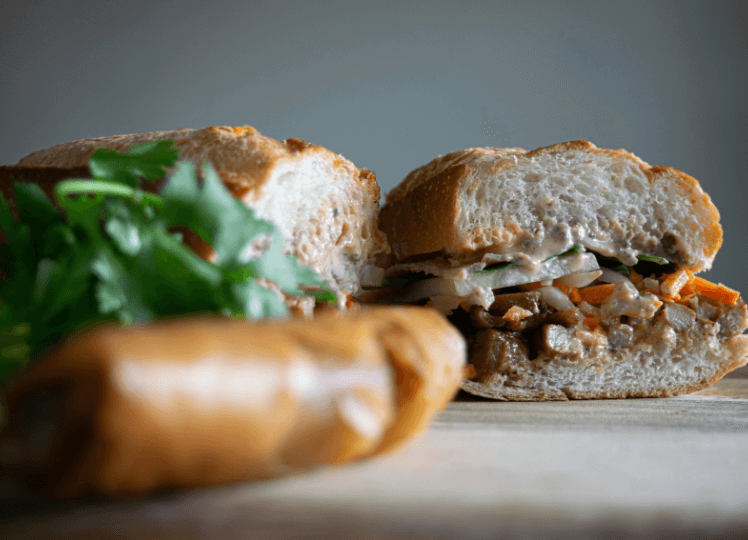
- Banh Mi: A Vietnamese sandwich made with a crispy baguette, filled with various ingredients such as grilled meats, pâté, pickled vegetables, and fresh herbs.
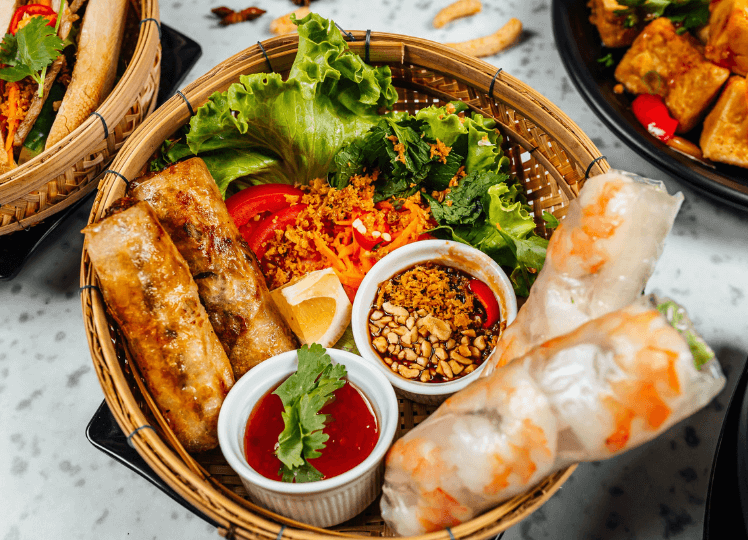
- Spring Rolls (Goi Cuon): Fresh rice paper rolls filled with shrimp, pork, vermicelli noodles, and fresh herbs, served with a peanut dipping sauce.
- Bun Cha: Grilled pork served with rice vermicelli, fresh herbs, and a dipping sauce, often accompanied by crispy spring rolls.
- Banh Xeo: A savory crispy pancake made from rice flour, turmeric, and coconut milk, filled with shrimp, pork, and bean sprouts, served with fresh herbs and dipping sauce.
- Ca Kho To: Caramelized fish simmered in a clay pot with fish sauce, sugar, and spices, resulting in a rich and flavorful dish.
-
03 Ingredients and Spices
Vietnamese cuisine relies on fresh, locally sourced ingredients and a variety of aromatic herbs and spices:
- Rice: The staple food in Vietnam, used to make dishes like pho, com tam (broken rice), and banh mi.
- Fish Sauce (Nuoc Mam): A fermented condiment made from fish and salt, essential for flavoring and dipping sauces.
- Herbs: Fresh herbs such as cilantro, mint, basil, and perilla are used generously to enhance the flavors of dishes.
- Chilies: Both fresh and dried chilies add heat and depth to many dishes.
- Garlic and Lemongrass: Aromatic ingredients commonly used in marinades, stir-fries, and soups.
- Shrimp Paste: A fermented condiment used to add umami flavor to various dishes.
-
04 Cooking Techniques
Vietnamese cooking employs a variety of techniques that emphasize freshness and simplicity:
- Boiling and Steaming: Common methods to retain the natural flavors and nutrients of ingredients, often used for vegetables, seafood, and dumplings.
- Stir-frying: A quick and efficient technique for cooking meats and vegetables with minimal oil, preserving their texture and color.
- Grilling: Used for meats and seafood, often marinated in a mixture of fish sauce, garlic, and lemongrass.
- Wrapping and Rolling: Many dishes involve wrapping ingredients in rice paper or lettuce leaves, creating a delightful combination of textures and flavors.
- Fermentation: Techniques used to create condiments like fish sauce and shrimp paste, which are integral to Vietnamese cuisine.
-
05 Modern Influences and Adaptations
In recent years, Vietnamese cuisine has continued to evolve, influenced by global culinary trends and the availability of new ingredients. Contemporary Vietnamese chefs are experimenting with traditional flavors and modern techniques to create innovative dishes that honor the roots of Vietnamese cooking while appealing to a global audience. Vietnamese street food, with its accessible and flavorful offerings, has also gained international popularity, introducing a wider audience to the delights of pho, banh mi, and more.
-
06 Modern Uses of Vietnamese Cuisine in Consumer Products
Today, Vietnamese cuisine has a broad presence in consumer products, reflecting its rich flavors and culinary heritage:
- Packaged Foods: Ready-to-eat meals, snacks, and sauces that bring the flavors of Vietnam to homes around the world.
- Spices and Seasonings: Pre-mixed spice blends and seasoning packets for easy preparation of Vietnamese dishes.
- Beverages: Traditional drinks like iced Vietnamese coffee, coconut water, and herbal teas.
- Condiments: A variety of sauces, such as hoisin, sriracha, and fish sauce, enhance the flavor of meals.
Applications in Vietnamese Cuisine

Ready-to-Eat Meals
Contract packagers can efficiently package ready-to-eat Vietnamese meals, such as pho, banh mi, and spring rolls, ensuring they are sealed for freshness and convenience.

Spices and Seasonings
Vietnamese spices and seasoning blends, such as pho broth mix, lemongrass powder, and five-spice powder, can be packaged in various formats including sachets, jars, and resealable pouches.

Sauces and Condiments
Traditional Vietnamese sauces like fish sauce, hoisin sauce, and chili sauce require careful packaging to maintain their flavor and shelf life. Contract packagers offer solutions such as glass jars, plastic bottles, and single-serve packets.
Beverages
Drinks like iced Vietnamese coffee, coconut water, and herbal teas can be packaged in bottles, cartons, or powder sachets for easy distribution and consumption.
Snack Foods
Popular Vietnamese snacks, such as rice crackers, dried fruits, and crispy spring rolls, benefit from specialized packaging that keeps them crisp and flavorful.

2000+
Manufacturers