

Cuisines
Australian cuisine, a vibrant and diverse culinary tradition, reflects the country’s rich history, multicultural influences, and abundant natural resources. Known for its fresh, high-quality ingredients and innovative cooking techniques, Australian cuisine combines native ingredients with flavors from around the world. From traditional Aboriginal bush food to modern fusion dishes, the culinary landscape of Australia offers a wide array of tastes and textures that celebrate both heritage and innovation.
-
01 Origins
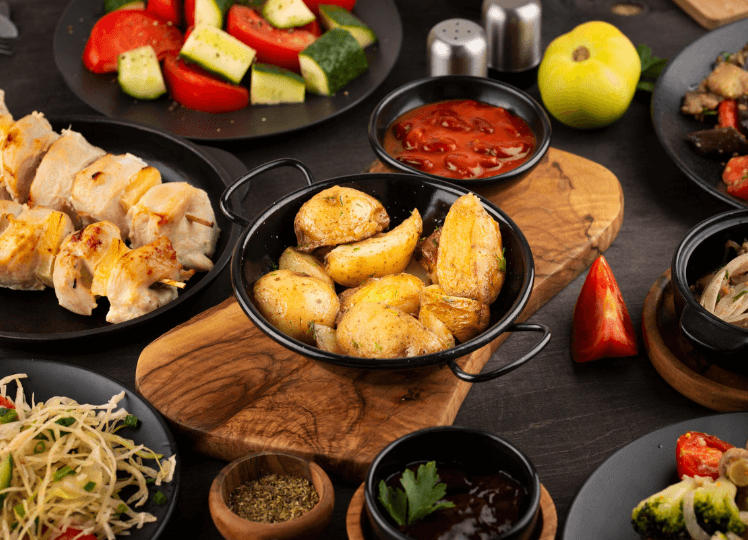
The origins of Australian cuisine can be traced back to the Indigenous peoples, who have lived on the continent for over 60,000 years. Aboriginal Australians developed an extensive knowledge of native plants and animals, incorporating them into their diet through methods such as foraging, hunting, and fishing. Traditional bush food includes ingredients like kangaroo, emu, bush tomatoes, and wattleseed.With the arrival of British settlers in 1788, Australian cuisine began to evolve, incorporating European cooking methods and ingredients. Over the centuries, waves of immigration from Asia, the Mediterranean, and other regions have further enriched Australian cuisine, creating a unique fusion of flavors and culinary techniques.
-
02 Traditional Dishes
Australian cuisine boasts a variety of traditional dishes that highlight local ingredients and cultural influences:
- Meat Pies: A classic Australian dish, meat pies are savory pastries filled with minced meat, gravy, and sometimes vegetables.
- Barbecue (Barbie): Grilling meats such as beef, lamb, sausages, and seafood on the barbecue is a popular Australian pastime, often accompanied by salads and bread.
- Vegemite on Toast: A quintessential Australian snack, Vegemite is a savory yeast spread enjoyed on toast, often with butter.
- Pavlova: A meringue-based dessert topped with fresh fruit and whipped cream, named after the Russian ballerina Anna Pavlova.
- Lamingtons: Sponge cakes coated in chocolate and rolled in desiccated coconut, often filled with jam or cream.
- ANZAC Biscuits: Crunchy cookies made from oats, coconut, and golden syrup, named after the Australian and New Zealand Army Corps.
-
03 Ingredients and Spices
Australian cuisine relies on fresh, locally sourced ingredients and a variety of native spices:
- Seafood: Given its extensive coastline, Australia boasts a wide array of seafood, including barramundi, prawns, oysters, and lobster.
- Meat: Lamb, beef, and kangaroo are commonly used, along with poultry and game meats.
- Native Plants: Ingredients like lemon myrtle, finger limes, and macadamia nuts add unique flavors to Australian dishes.
- Fruits and Vegetables: Fresh produce such as avocado, tomatoes, berries, and tropical fruits are staples in Australian cuisine.
- Herbs and Spices: Rosemary, thyme, and bush spices like wattleseed and pepperberry are frequently used.
-
04 Cooking Techniques
Australian cooking incorporates a variety of techniques, from traditional methods to modern innovations:
- Grilling and Barbecuing: Common methods for cooking meats and seafood, enhancing their natural flavors.
- Roasting and Baking: Used for dishes like roast lamb, meat pies, and baked goods.
- Foraging and Bush Cooking: Traditional Aboriginal techniques for sourcing and preparing native ingredients.
- Fusion Cooking: Combining elements from different culinary traditions to create innovative dishes.
-
05 Modern Influences and Adaptations
In recent years, Australian cuisine has continued to evolve, influenced by global culinary trends and the availability of new ingredients. Contemporary Australian chefs are known for their creativity, often blending traditional flavors with modern techniques to craft innovative dishes. Australian street food, with its diverse and accessible offerings, has also gained popularity, showcasing the country’s culinary diversity.
-
06 Modern Uses of Australian Cuisine in Consumer Products
Today, Australian cuisine is represented in various consumer products, reflecting its rich flavors and culinary heritage:
- Packaged Foods: Ready-to-eat meals, snacks, and sauces that bring the flavors of Australia to homes around the world.
- Spices and Seasonings: Pre-mixed spice blends and seasoning packets for easy preparation of Australian dishes.
- Beverages: Traditional drinks like bush tea, lemon myrtle tea, and Australian wine.
- Condiments: A variety of sauces, chutneys, and spreads that enhance the flavor of meals.
Applications in Australian Cuisine

Ready-to-Eat Meals
Contract packagers can efficiently package ready-to-eat Australian meals, such as meat pies, sausage rolls, and pavlova, ensuring they are sealed for freshness and convenience.

Spices and Seasonings
Australian spices and seasoning blends, such as bush spices, can be packaged in various formats including sachets, jars, and resealable pouches.

Sauces and Condiments
Traditional Australian sauces like barbecue sauce, chutneys, and Vegemite require careful packaging to maintain their flavor and shelf life. Contract packagers offer solutions such as glass jars, plastic bottles, and single-serve packets.
Beverages
Drinks like bush tea, lemon myrtle tea, and Australian wine can be packaged in bottles, cartons, or sachets for easy distribution and consumption.
Snack Foods
Popular Australian snacks, such as lamingtons, ANZAC biscuits, and


2000+
Manufacturers