

Cuisines
Jamaican cuisine, celebrated for its bold flavors and vibrant colors, is a unique blend of various cultural influences, including African, Indian, Chinese, and European, particularly British and Spanish. This diverse culinary heritage results in a rich tapestry of tastes and textures that reflect the island’s history and geography. Staples such as yams, plantains, rice, and a variety of tropical fruits and vegetables are central to many dishes, highlighting the local produce and traditional cooking methods.
-
01 Origins
The origins of Jamaican cuisine can be traced back to the island’s indigenous Arawak and Taino peoples, who developed a diet based on local ingredients such as cassava, corn, and fish. The arrival of African slaves during the colonial period brought new ingredients and cooking techniques that significantly influenced Jamaican cooking. The subsequent influx of indentured laborers from India and China further enriched the culinary landscape with spices and new dishes. This blend of influences has evolved into a unique cuisine that continues to adapt and grow.
-
02 Traditional Dishes
Jamaican cuisine features a wide array of traditional dishes that reflect the island’s diverse cultural influences:
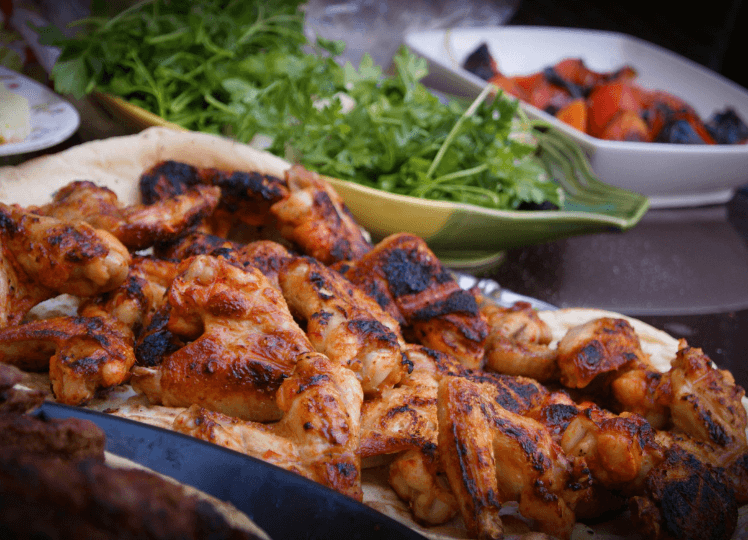
- Jerk Chicken: One of the most famous Jamaican dishes, jerk chicken is marinated in a spicy blend of Scotch bonnet peppers, allspice, thyme, and other seasonings, then grilled or smoked.
- Ackee and Saltfish: Often considered the national dish, this combination of salted cod and ackee fruit is typically served with breadfruit, dumplings, or fried plantains.
- Curried Goat: A flavorful curry made with tender goat meat, seasoned with a blend of spices, and slow-cooked until tender.
- Rice and Peas: A staple side dish made with rice, kidney beans (or pigeon peas), coconut milk, and spices.
- Escovitch Fish: Fried fish marinated in a spicy vinegar-based sauce with onions, carrots, and peppers.
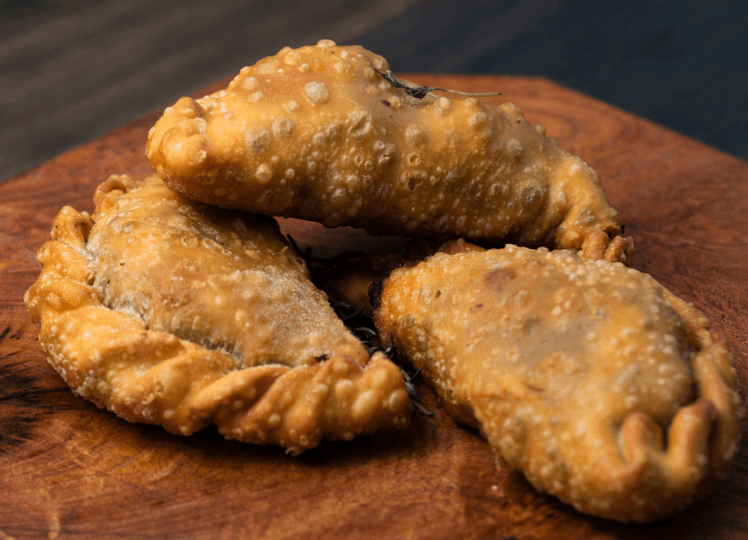
- Patties: Pastry filled with spiced meat, chicken, or vegetables, similar to an empanada.
-
03 Ingredients and Spices
Jamaican cuisine relies heavily on fresh, locally sourced ingredients and a variety of spices:
- Scotch Bonnet Peppers: A key ingredient in many Jamaican dishes, providing a distinct heat and flavor.
- Pimento (Allspice): Used in jerk seasoning and other dishes for its warm, spicy-sweet flavor.
- Coconut: Used in various forms, including milk, oil, and grated, in both savory and sweet dishes.
- Yams and Sweet Potatoes: Starchy vegetables commonly used in stews and side dishes.
- Tropical Fruits: Mangoes, pineapples, bananas, and papayas are used in salads, desserts, and beverages.
- Thyme and Ginger: Essential herbs and spices for flavoring many traditional dishes.
-
04 Cooking Techniques
Jamaican cooking involves a variety of techniques, some of which are traditional and others influenced by the island’s diverse cultures:
- Grilling and Smoking: Techniques used for jerk cooking, imparting a distinctive smoky flavor.
- Stewing and Braising: Methods for making hearty dishes like curried goat and oxtail stew.
- Frying: Common for preparing foods like patties, festival (fried dough), and plantains.
- Marinating: Important for infusing meats and fish with flavor, particularly in jerk and escovitch preparations.
-
05 Modern Influences and Adaptations
In recent years, Jamaican cuisine has continued to evolve, influenced by global culinary trends and the availability of new ingredients. Contemporary chefs are experimenting with traditional flavors and modern techniques to create innovative dishes that honor the roots of Jamaican cooking while appealing to a global audience. Jamaican street food, with its accessible and flavorful offerings, has also gained international popularity, introducing a wider audience to the delights of jerk chicken, patties, and more.
-
06 Modern Uses of Jamaican Cuisine in Consumer Products
Today, Jamaican cuisine has a broad presence in consumer products, reflecting its rich flavors and culinary heritage:
- Packaged Foods: Ready-to-eat meals, snacks, and sauces that bring the flavors of Jamaica to homes around the world.
- Spices and Seasonings: Pre-mixed spice blends and seasoning packets for easy preparation of Jamaican dishes.
- Beverages: Traditional drinks like sorrel, ginger beer, and Jamaican rum punch.
- Condiments: A variety of sauces, marinades, and pickled vegetables that enhance the flavor of meals.
Applications in Jamaican Cuisine

Ready-to-Eat Meals
Contract packagers can efficiently package ready-to-eat Jamaican meals, such as jerk chicken, curried goat, and patties, ensuring they are sealed for freshness and convenience.

Spices and Seasonings
Jamaican spices and seasoning blends, such as jerk seasoning, curry powder, and allspice, can be packaged in various formats including sachets, jars, and resealable pouches.

Sauces and Condiments
Traditional Jamaican sauces like jerk marinade, hot pepper sauce, and pickled vegetables require careful packaging to maintain their flavor and shelf life. Contract packagers offer solutions such as glass jars, plastic bottles, and single-serve packets.
Beverages
Drinks like sorrel, ginger beer, and Jamaican rum punch can be packaged in bottles, cartons, or powder sachets for easy distribution and consumption.
Snack Foods
Popular Jamaican snacks, such as banana chips, plantain chips, and fried dumplings, benefit from specialized packaging that keeps them crisp and flavorful.

2000+
Manufacturers