

Cuisines
French cuisine, renowned for its elegance, sophistication, and rich flavors, stands as one of the most celebrated and influential culinary traditions worldwide. It is characterized by its meticulous preparation techniques, the use of high-quality ingredients, and an emphasis on seasonality and regional diversity. From delicate pastries to hearty stews, French cuisine offers a wide array of dishes that showcase the country’s culinary artistry and cultural heritage.
-
01 Origins
The origins of French cuisine date back to the Middle Ages, where it evolved from the elaborate feasts of medieval royalty and the regional cooking traditions of the French provinces. The Renaissance brought significant changes, influenced by Italian culinary techniques and ingredients. The 17th century saw the establishment of classic French cooking, thanks to the culinary innovations of chefs like François Pierre La Varenne. Over time, French cuisine continued to refine and develop, leading to the codification of cooking techniques and recipes by Auguste Escoffier in the 19th century. This rich history has shaped French cuisine into a tradition that values both innovation and adherence to classic methods.
-
02 Traditional Dishes
French cuisine features a variety of traditional dishes that vary by region, each reflecting local ingredients and culinary customs:
- Baguette: The iconic French bread, characterized by its crisp crust and airy crumb, often enjoyed with butter or cheese.
- Coq au Vin: A hearty dish of chicken braised in red wine, often with mushrooms, onions, and bacon.
- Bouillabaisse: A flavorful fish stew from the Provence region, made with a variety of fish, shellfish, tomatoes, saffron, and herbs.
- Ratatouille: A Provençal vegetable stew made with tomatoes, zucchini, eggplant, bell peppers, and herbs.
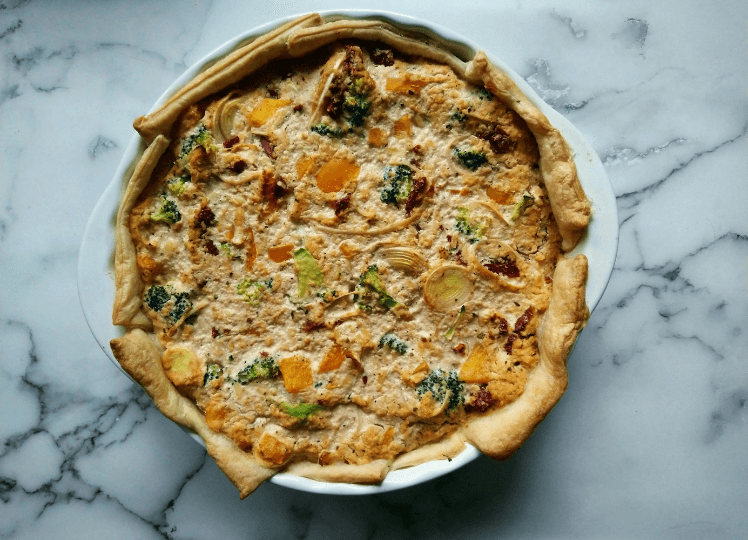
- Quiche Lorraine: A savory tart filled with eggs, cream, cheese, and bacon, originating from the Lorraine region.
- Crêpes: Thin pancakes that can be sweet or savory, filled with ingredients such as Nutella, fruits, ham, or cheese.
-
03 Ingredients and Spices
French cuisine emphasizes the use of fresh, high-quality ingredients and a range of spices and herbs:
- Butter and Cream: Essential for adding richness and flavor to many dishes.
- Cheese: France produces a vast array of cheeses, from soft Brie and Camembert to hard Comté and Roquefort.
- Wine: Integral to both cooking and dining, used in sauces, stews, and enjoyed as a beverage.
- Herbs de Provence: A blend of herbs including thyme, rosemary, oregano, and lavender, commonly used in southern French cooking.
- Garlic and Shallots: Frequently used to add depth and aroma to dishes.
- Truffles: A highly prized fungus that adds a unique, earthy flavor to dishes.
-
04 Cooking Techniques
French cooking is known for its precise and often labor-intensive techniques:
- Sautéing and Frying: Quick methods for cooking meats and vegetables to enhance their flavors.
- Braising: Slow cooking in liquid to tenderize meats and develop complex flavors.
- Baking and Roasting: Common techniques for bread, pastries, and meats.
- Poaching: Gently cooking delicate foods like eggs and fish in simmering liquid.
- Sauce Making: The creation of rich, flavorful sauces, often based on stocks, wine, and cream, is a hallmark of French cuisine.
-
05 Modern Influences and Adaptations
Contemporary French cuisine continues to evolve, influenced by global culinary trends and the incorporation of new ingredients and techniques. Modern French chefs often blend traditional methods with innovative approaches, creating dishes that respect classical foundations while offering new and exciting flavors. The rise of French bistros and brasseries around the world has made French cuisine more accessible, allowing a broader audience to experience its delights.
-
06 Modern Uses of French Cuisine in Consumer Products
French cuisine has a significant presence in consumer products, bringing its refined flavors to a wide range of items:
- Packaged Foods: Ready-to-eat meals, gourmet sauces, and prepared pastries that offer the convenience of French culinary excellence at home.
- Spices and Seasonings: Herb blends, spice mixes, and marinades that enable easy preparation of French dishes.
- Beverages: French wines, ciders, and spirits like cognac and pastis, celebrated for their quality and craftsmanship.
- Condiments: Mustards, vinaigrettes, and pâtés that add a touch of French flair to everyday meals.
Applications in French Cuisine

Ready-to-Eat Meals
Contract packagers provide solutions for packaging ready-to-eat French dishes such as coq au vin, ratatouille, and beef bourguignon, preserving their flavors and textures.

Spices and Seasonings
French spice blends, like herbes de Provence and bouquet garni, can be packaged in sachets, jars, or resealable pouches for convenience and freshness.

Sauces and Condiments
Packaging for sauces such as béarnaise, hollandaise, and aioli requires careful handling to maintain their quality. Options include glass jars, plastic bottles, and single-serve packets.
Beverages
French wines, ciders, and spirits can be packaged in bottles, cartons, or cans, ensuring they retain their premium quality.
Snack Foods
Gourmet French snacks, such as macarons, madeleines, and cheese crackers, benefit from specialized packaging that keeps them fresh and flavorful.

2000+
Manufacturers