

Cuisines
Filipino cuisine is a vibrant tapestry of flavors, influenced by centuries of trade, colonization, and a rich cultural heritage. Known for its diverse flavors, colorful presentations, and a harmonious blend of sweet, sour, and salty tastes, Filipino cuisine stands out with its unique and bold character. Rooted in indigenous traditions and enriched by Spanish, Chinese, American, and other culinary influences, it offers a delightful exploration of tastes and textures. Staples such as rice, coconut, fish, pork, and a variety of tropical fruits and vegetables are central to many dishes, reflecting the country’s varied geography and rich history.
-
01 Origins
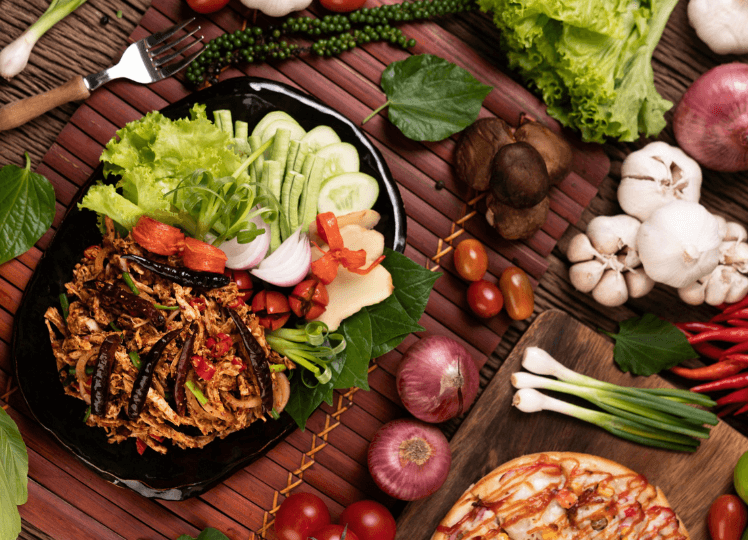
The origins of Filipino cuisine can be traced back to the indigenous people of the archipelago, who developed a rich culinary tradition based on the abundant natural resources. The arrival of the Spanish in the 16th century introduced new ingredients and cooking methods, further enriched by Chinese traders and later by American influences. This blend of indigenous, Spanish, Chinese, and American influences has created a unique and diverse culinary landscape that continues to evolve.
-
02 Traditional Dishes
Filipino cuisine boasts a wide array of traditional dishes that vary by region, reflecting local ingredients and culinary practices:
- Adobo: Often considered the national dish, adobo is made by marinating meat (usually pork or chicken) in vinegar, soy sauce, garlic, and spices, then simmering until tender.
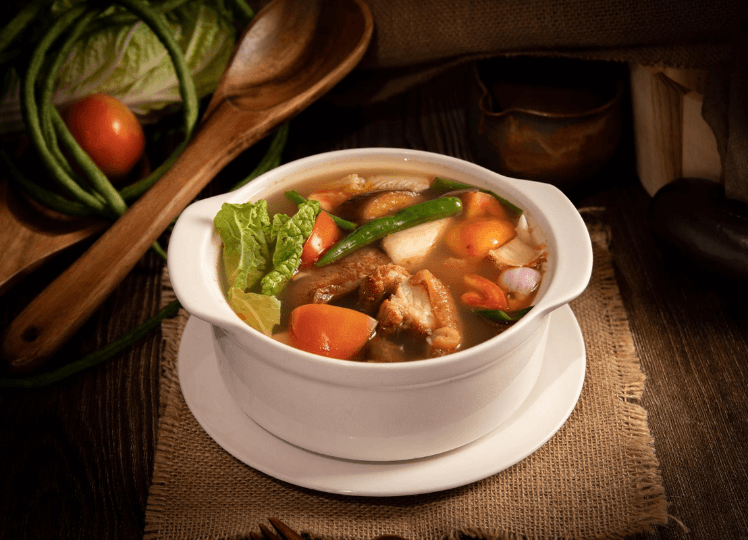
- Sinigang: A sour soup typically made with pork, shrimp, or fish, and flavored with tamarind or other sour fruits, accompanied by various vegetables.
- Lechon: A whole roasted pig, known for its crispy skin and flavorful meat, often served at large celebrations.
- Kare-Kare: A rich stew made with oxtail, vegetables, and a thick peanut sauce, traditionally served with bagoong (fermented shrimp paste).
- Pancit: A variety of noodle dishes influenced by Chinese cuisine, such as pancit canton (stir-fried noodles) and pancit bihon (rice noodles).
- Halo-Halo: A popular dessert made with crushed ice, sweetened beans, fruits, jellies, and topped with leche flan and ube (purple yam) ice cream.
-
03 Ingredients and Spices
Filipino cuisine relies on fresh, locally sourced ingredients and a wide array of spices:
- Rice: The staple food, served with almost every meal.
- Coconut: Used in various forms, including coconut milk, which is essential for dishes like ginataang (coconut milk-based dishes).
- Fish and Seafood: Abundant in the Philippines, used in dishes like kinilaw (Filipino ceviche) and daing (dried fish).
- Vinegar and Soy Sauce: Key ingredients in many Filipino dishes, providing a balance of sour and salty flavors.
- Garlic and Onions: Commonly used aromatics that form the base of many dishes.
- Tamarind and Calamansi: Used to add a distinctive sour flavor to soups and sauces.
-
04 Cooking Techniques
Filipino cooking involves a variety of techniques, some of which are ancient and others introduced by colonial influences:
- Stewing and Simmering: Common techniques for dishes like adobo and sinigang.
- Grilling and Roasting: Used for lechon and grilled seafood.
- Sautéing: Known locally as “gisa,” used as a base for many dishes.
- Fermentation: Used in making bagoong and other fermented condiments.
- Steaming and Boiling: Methods for preparing rice cakes and various desserts.
-
05 Modern Influences and Adaptations
In recent years, Filipino cuisine has continued to evolve and adapt, influenced by global culinary trends and the availability of new ingredients. Contemporary Filipino chefs are experimenting with traditional flavors and modern techniques to create innovative dishes that honor the roots of Filipino cooking while appealing to a global audience. Filipino street food, with its accessible and flavorful offerings, has also gained international popularity, introducing a wider audience to the delights of dishes like isaw (grilled chicken intestines), balut (fertilized duck egg), and more.
-
06 Modern Uses of Filipino Cuisine in Consumer Products
Today, Filipino cuisine has a broad presence in consumer products, reflecting its rich flavors and culinary heritage:
- Packaged Foods: Ready-to-eat meals, snacks, and sauces that bring the flavors of the Philippines to homes around the world.
- Spices and Seasonings: Pre-mixed spice blends and seasoning packets for easy preparation of Filipino dishes.
- Beverages: Traditional drinks like calamansi juice, sago’t gulaman (tapioca pearls and gelatin in sweet syrup), and Filipino-style iced tea.
- Condiments: A variety of sauces and pastes, including bagoong, banana ketchup, and atchara (pickled papaya).
Applications in Filipino Cuisine

Ready-to-Eat Meals
Contract packagers can efficiently package ready-to-eat Filipino meals, such as adobo, sinigang, and lechon, ensuring they are sealed for freshness and convenience.

Spices and Seasonings
Filipino spices and seasoning blends, such as adobo seasoning, sinigang mix, and kare-kare sauce mixes, can be packaged in various formats including sachets, jars, and resealable pouches.

Sauces and Condiments
Traditional Filipino sauces like bagoong, banana ketchup, and atchara require careful packaging to maintain their flavor and shelf life. Contract packagers offer solutions such as glass jars, plastic bottles, and single-serve packets.
Beverages
Drinks like calamansi juice, sago’t gulaman, and Filipino-style iced tea can be packaged in bottles, cartons, or powder sachets for easy distribution and consumption.
Snack Foods
Popular Filipino snacks, such as chicharon (pork rinds), banana chips, and dried mangoes, benefit from specialized packaging that keeps them crisp and flavorful.

2000+
Manufacturers