

Cuisines
Cajun cuisine, celebrated for its bold flavors and rich cultural heritage, is a cornerstone of Louisiana’s culinary landscape. This unique cuisine blends French, Spanish, African, and Native American influences, creating a distinctive array of dishes characterized by their robust use of spices and fresh, locally sourced ingredients. From hearty gumbos to spicy jambalayas, Cajun cuisine offers a flavorful journey through the bayous and prairies of Louisiana.
-
01 Origins
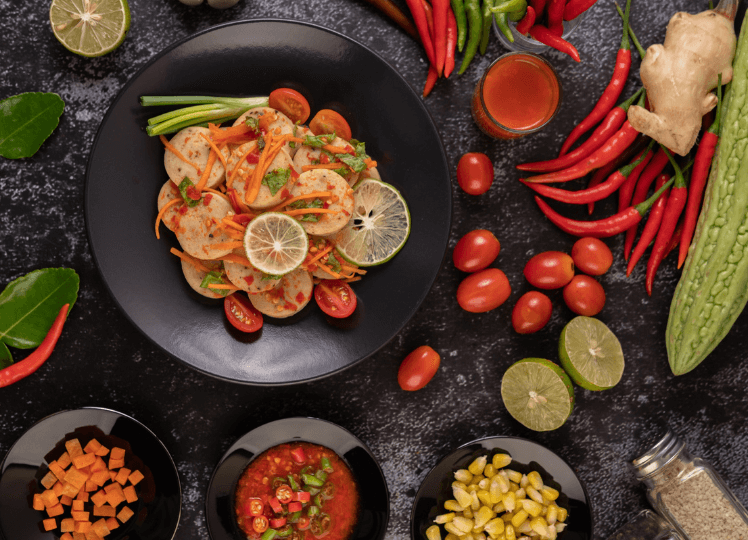
Cajun cuisine traces its origins to the Acadian settlers who migrated from Canada to Louisiana in the 18th century. These settlers brought with them a French culinary tradition, which they adapted to the local ingredients available in the Louisiana wetlands. Over time, this cuisine absorbed influences from Spanish, African, and Native American cooking, resulting in a rich tapestry of flavors and techniques. Key ingredients like seafood, rice, and a variety of vegetables, alongside a strong emphasis on communal meals, define the essence of Cajun cooking.
-
02 Traditional Dishes
Cajun cuisine features a variety of traditional dishes that highlight the region’s bounty and culinary ingenuity:
- Gumbo: A thick, hearty stew made with a roux base, often featuring a combination of seafood, chicken, sausage, and vegetables like okra, seasoned with a blend of spices.
- Jambalaya: A one-pot rice dish cooked with meats (such as sausage, chicken, and shrimp), vegetables, and a robust mix of spices.
- Étouffée: Typically made with crawfish or shrimp, this dish features a thick, flavorful sauce served over rice.
- Boudin: A type of sausage made from pork, rice, and spices, often enjoyed as a snack or appetizer.
- Red Beans and Rice: A staple dish made with red beans slow-cooked with pork, onions, and spices, served over rice.
- Crawfish Boil: A communal feast where crawfish, potatoes, corn, and sausage are boiled with a blend of Cajun spices.
-
03 Ingredients and Spices
Cajun cuisine relies on fresh, locally sourced ingredients and a variety of spices that create its signature bold flavors:
- Seafood: Shrimp, crawfish, crab, and fish are central to many dishes.
- Rice: A staple ingredient, used in dishes like jambalaya and red beans and rice.
- Vegetables: Bell peppers, onions, celery (known as the “Holy Trinity” of Cajun cooking), and okra are frequently used.
- Spices: Cayenne pepper, paprika, thyme, and bay leaves are common, providing the heat and depth of flavor characteristic of Cajun food.
- Sausage: Andouille sausage is often used to add smoky, spicy flavors to dishes.
-
04 Cooking Techniques
Cajun cooking involves a variety of techniques, some of which are distinctive to the region:
- Roux: A mixture of flour and fat cooked together, used as a base for many dishes like gumbo and étouffée.
- Blackening: A method where fish or meat is coated in spices and cooked in a very hot skillet, creating a flavorful crust.
- Boiling: Commonly used for seafood boils, where large pots of seasoned water cook seafood and vegetables.
- Smoking and Grilling: Techniques used to enhance the flavors of meats and sausages.
-
05 Modern Influences and Adaptations
Cajun cuisine continues to evolve, influenced by contemporary culinary trends and the availability of new ingredients. Chefs are experimenting with traditional flavors and modern techniques to create innovative dishes that honor the roots of Cajun cooking while appealing to a broader audience. Cajun street food, with its accessible and flavorful offerings, has also gained popularity, introducing a wider audience to the delights of dishes like po’boys and fried catfish.
-
06 Modern Uses of Cajun Cuisine in Consumer Products
Today, Cajun cuisine has a broad presence in consumer products, reflecting its rich flavors and culinary heritage:
- Packaged Foods: Ready-to-eat meals, snacks, and sauces that bring the flavors of Cajun cuisine to homes around the world.
- Spices and Seasonings: Pre-mixed spice blends and seasoning packets for easy preparation of Cajun dishes.
- Beverages: Traditional drinks like praline-flavored coffee and chicory coffee.
- Condiments: A variety of hot sauces, spice rubs, and pickled vegetables that enhance the flavor of meals.
Applications in Cajun Cuisine

Ready-to-Eat Meals
Contract packagers can efficiently package ready-to-eat Cajun meals, such as gumbo, jambalaya, and étouffée, ensuring they are sealed for freshness and convenience.

Spices and Seasonings
Cajun spices and seasoning blends, such as Cajun spice mix and blackening seasoning, can be packaged in various formats including sachets, jars, and resealable pouches.

Sauces and Condiments
Traditional Cajun sauces like hot sauce and remoulade require careful packaging to maintain their flavor and shelf life. Contract packagers offer solutions such as glass jars, plastic bottles, and single-serve packets.
Beverages
Drinks like chicory coffee can be packaged in bottles, cartons, or powder sachets for easy distribution and consumption.
Snack Foods
Popular Cajun snacks, such as boudin balls, cracklins, and spiced nuts, benefit from specialized packaging that keeps them crisp and flavorful.

2000+
Manufacturers