

Aloe vera, a popular ingredient in many consumer products often produced by contract manufacturers, is a succulent plant species of the genus Aloe. It grows wild in tropical, semi-tropical, and arid climates around the world and is cultivated for agricultural and medicinal uses. Aloe vera leaves contain a clear gel that is widely known for its healing and soothing properties. The plant also produces latex, a yellow substance found just under the skin of the leaf, which has different uses and properties.
-
01 Origins and Traditional Uses
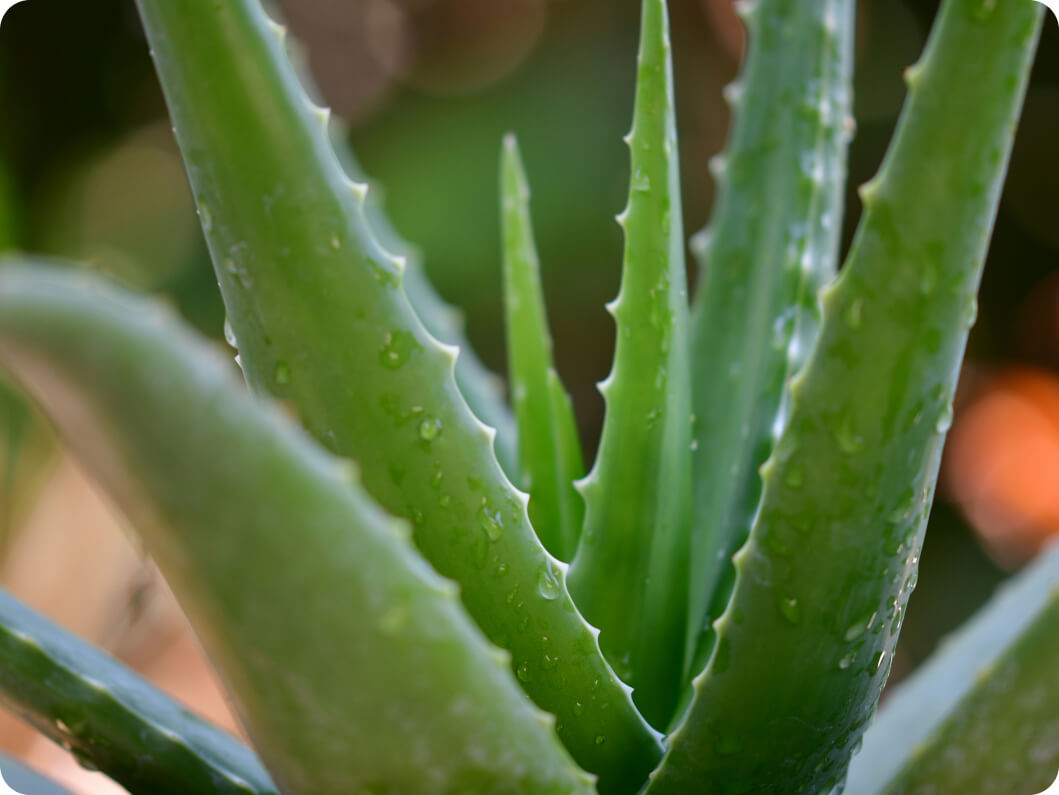
The origins of Aloe vera are believed to be in the Arabian Peninsula, but it has been spread across the world over centuries and now can be found in various regions. Historical evidence suggests that Aloe vera has been used for medicinal purposes for thousands of years, dating back to ancient Egypt, where it was referred to as the “plant of immortality” and was used in embalming practices and as a skin and health treatment. It has also been mentioned in various historical texts, including the Bible, and in the medical and beauty practices of the Greeks, Romans, Chinese, and Indian cultures, among others. Traditionally, Aloe vera has been used for a variety of purposes:
- Healing burns and wounds: The gel is known for its soothing, moisturizing, and cooling properties, which make it effective for treating burns, including sunburns, and minor wounds.
- Skin care: It has been used as a topical treatment for minor skin irritations, dry skin, and conditions like psoriasis and acne.
- Digestive remedies: The latex part of the plant has been used as a laxative.
- Oral health: It has been used in traditional medicine to treat mouth ulcers and as a component in dental care products.
- Immune system support and general health: Aloe vera juice has been consumed as a health tonic.
-
02 Modern Uses of Aloe Vera in Consumer Products

Today, Aloe vera is incorporated into a wide range of consumer products, reflecting its continued value for its healing, soothing, and moisturizing properties.
- Skin care products: Aloe vera is a common ingredient in moisturizers, face creams, sunscreens, and after-sun lotions.
- Cosmetics: It’s used in makeup products for its hydrating properties.
- Health and wellness products: Aloe vera supplements, juices, and capsules are marketed for various health benefits, such as improving digestion, boosting the immune system, and as a source of antioxidants.
- Hair care products: Shampoos, conditioners, and hair treatments often contain Aloe vera to soothe the scalp and moisturize hair.
- Personal care products: Toothpaste, mouthwashes, and body washes may include Aloe vera for its soothing and moisturizing effects.
Regulatory Environment
The regulatory environment for Aloe vera varies by region and the form in which it is used (e.g., cosmetic, food supplement, pharmaceutical). Aloe vera is widely recognized for its soothing, moisturizing, and healing properties, which makes it a popular ingredient in a variety of consumer products.
Safety Concerns and Restrictions
Certain components of Aloe vera, specifically aloin (a compound found in the latex), have been subjects of safety concerns. The FDA banned the use of aloin-containing Aloe vera as an over-the-counter laxative in 2002 due to insufficient safety data.
Products intended for ingestion containing Aloe latex or unprocessed Aloe vera are scrutinized due to potential safety concerns, including carcinogenicity and gastrointestinal issues.
There’s an ongoing focus on the clear labeling and safety of Aloe vera products, especially those intended for ingestion. Regulatory bodies continue to monitor and research Aloe vera’s effects to ensure consumer safety.
In summary, the regulatory environment for Aloe vera is multifaceted and depends on the product’s intended use and region of sale. It is generally regulated under frameworks applicable to foods, cosmetics, and dietary supplements, with specific attention to safety and labeling standards.
United States
Food and Drug Administration (FDA): The FDA does not approve Aloe vera as a drug for the treatment of any specific conditions. However, it is regulated as a food additive, cosmetic ingredient, and dietary supplement. For cosmetics and personal care products, Aloe vera is considered safe as used. In dietary supplements, Aloe vera must meet safety and labeling requirements.
European Union (EU)
European Food Safety Authority (EFSA) and European Medicines Agency (EMA): The EU regulates Aloe vera through these agencies, depending on the product’s intended use. As a food supplement, Aloe vera must comply with EU novel food regulations, requiring safety assessment before market entry. For medicinal products, it must be authorized by the EMA or national authorities.
The use of Aloe vera has evolved from traditional, mostly topical applications to a broad range of uses in consumer products, capitalizing on its natural benefits for skin, hair, and overall health. While its efficacy in various treatments is supported by anecdotal evidence and some scientific studies, research continues to explore the full range of its potential health benefits and applications.
DISCLAIMER: This information is provided on an as-is basis for general background. Independent, verified research should be conducted on all ingredients in food, supplements, and consumer products.

2000+
Manufacturers