

Ginseng is a term that refers to several species of plants belonging to the genus Panax. The most commonly known types are Asian ginseng (Panax ginseng), which is also called Korean ginseng, and American ginseng (Panax quinquefolius). These plants are known for their distinctively shaped roots, which have been prized for their health benefits for thousands of years.
-
01 Origins
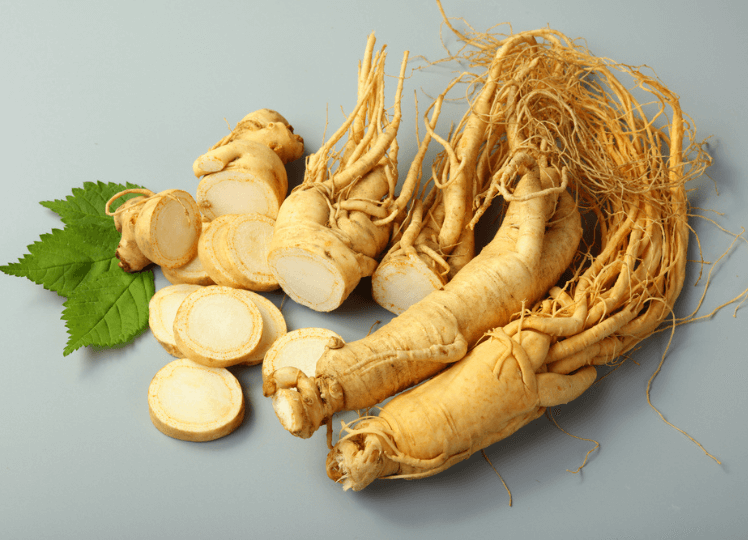
The origins of ginseng usage can be traced back to ancient China, where it has been used for over 2,000 years. Ginseng is native to regions of East Asia and North America, and its use has been embedded in traditional Chinese medicine (TCM) for centuries.
-
02 Traditional Uses

Traditional uses of ginseng are wide-ranging and include:
- Boosting energy levels: Ginseng has been traditionally used to increase energy and stamina.
- Enhancing cognitive function: It was used to improve concentration, memory, and mental clarity.
- Supporting immune function: Ginseng was believed to enhance the body’s resistance to illness and infection.
- Reducing stress: It was used to calm the mind and reduce the effects of stress on the body.
- Promoting overall wellness: Ginseng was thought to restore and enhance well-being.
-
03 Modern Uses in Consumer Products
Today, ginseng is incorporated into a wide array of consumer products, reflecting its enduring popularity and the interest in its potential health benefits. Modern uses include:
- Dietary supplements: Ginseng is available in various forms, including capsules, powders, teas, and tinctures, often marketed for energy, immune support, and cognitive function.
- Functional foods and beverages: It is added to energy drinks, herbal teas, and health bars as a natural ingredient for boosting stamina and vitality.
- Skincare products: Ginseng is found in creams, serums, and face masks for its purported antioxidant and anti-aging properties.
- Hair care products: Some shampoos and conditioners include ginseng to promote scalp health and hair growth.
The use of ginseng in contemporary consumer products is a testament to its longstanding value in traditional medicine and its adaptability to modern health and wellness trends. While scientific research supports some of the health benefits associated with ginseng, particularly in terms of its antioxidant and anti-inflammatory effects, consumers are encouraged to use ginseng products judiciously and to consult healthcare professionals, especially when dealing with specific health conditions or when taking other medications.
Current Regulatory Environment
In the United States, ginseng is regulated as a dietary supplement by the Food and Drug Administration (FDA) under the Dietary Supplement Health and Education Act (DSHEA) of 1994. This means that it is not subject to the same rigorous testing and approval process that pharmaceutical drugs undergo. Manufacturers are responsible for ensuring the safety and labeling accuracy of their products, but they do not need to prove the efficacy of their products before they are marketed.
In other countries, the regulatory environment can vary. For example, in the European Union, ginseng products are regulated under the European Food Safety Authority (EFSA), which oversees food supplements and ensures they are safe and properly labeled.
DISCLAIMER: This information is provided on an as-is basis for general background. Independent, verified research should be conducted on all ingredients in food, supplements, and consumer products.
2000+
Manufacturers