

Melatonin is a hormone that is naturally produced by the pineal gland in the brain. Its primary function is to regulate the body’s circadian rhythms, which are the internal processes that follow a roughly 24-hour cycle, influencing sleep patterns among other physiological functions. The production and release of melatonin are influenced by darkness, signaling to the body that it is time to sleep, which is why it is often referred to as the “sleep hormone.”
-
01 Origins and Traditional Uses
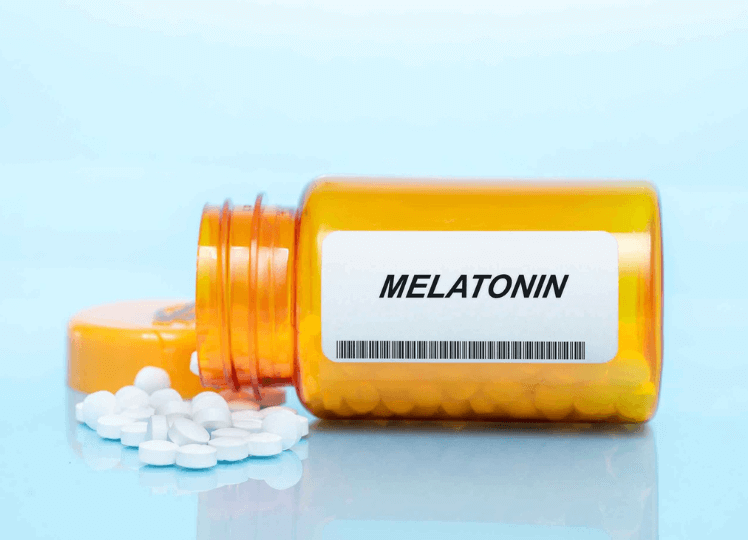
Melatonin, as a naturally occurring substance, does not have “origins” in the way that plants or traditional remedies might, since it is endogenously produced in the human body as well as in animals, plants, and microbes. Its discovery as a hormone and its role in regulating sleep-wake cycles have led to its use in supplement form to address sleep disorders and other conditions.While there are no “traditional uses” of melatonin in the historical or herbal medicine sense, its identification and subsequent synthesis have paved the way for its use in treating sleep-related issues, such as jet lag, shift work sleep disorder, and various insomnias. Additionally, it has been researched for its antioxidant properties and potential applications in treating or preventing a variety of conditions, including certain cancers, neurodegenerative diseases, and cardiovascular diseases, though these uses are still under investigation.
-
02 Modern Uses in Consumer Products
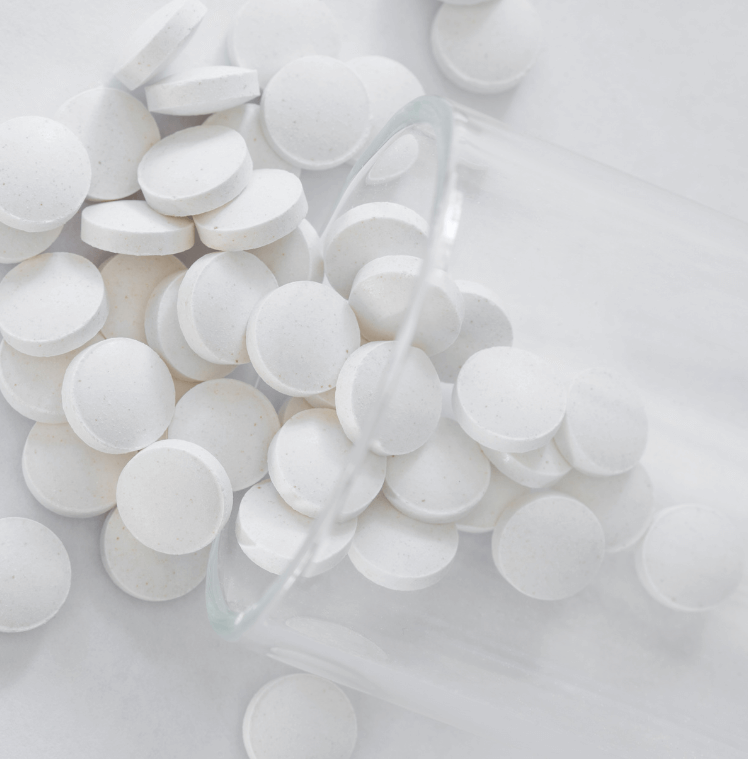
Today, melatonin is widely used in consumer products, primarily for its sleep-promoting effects. These products include:
- Dietary Supplements: Melatonin is most commonly available in the form of oral supplements, including tablets, capsules, liquids, and gummies, intended to help people fall asleep more easily.
- Sleep Aids: Some products combine melatonin with other substances believed to support sleep, such as herbs (e.g., valerian root, chamomile) or minerals (e.g., magnesium).
- Topical Applications: Although less common, melatonin is sometimes included in topical products, like creams and lotions, claimed to support sleep when applied to the skin.
- Functional Foods and Beverages: There are also foods and drinks marketed as containing melatonin to promote relaxation and sleep, such as certain teas and nighttime snacks.
Given its widespread availability and use, melatonin is generally considered safe for short-term use in recommended doses for most people. However, potential side effects can include drowsiness, headache, dizziness, or nausea. Because dietary supplements are not as tightly regulated as medications, there can be variability in the amount of melatonin contained in different products. It’s always advisable for consumers to consult with healthcare professionals before starting any new supplement, especially for individuals with existing health conditions or who are taking other medications.
Current Regulatory Environment
In the United States, melatonin is regulated by the Food and Drug Administration (FDA) as a dietary supplement rather than as a pharmaceutical drug. This means that it is subject to less stringent regulations than prescription or over-the-counter medications. Manufacturers of melatonin supplements are responsible for ensuring the safety and labeling accuracy of their products, but they do not need to obtain FDA approval before marketing them. However, claims made about the supplements are monitored by the FDA, and the agency can take action if a product is found to be unsafe or if false or misleading claims are made.
The regulatory environment for melatonin varies significantly around the world. In some countries, melatonin is classified as a prescription medication, particularly at higher doses, which means its sale and use are more strictly regulated than in the United States.
DISCLAIMER: This information is provided on an as-is basis for general background. Independent, verified research should be conducted on all ingredients in food, supplements, and consumer products.

2000+
Manufacturers