

Prebiotics are substances that feed the beneficial bacteria in the gut, promoting a healthy balance of gut flora. Unlike probiotics, which are live beneficial bacteria, prebiotics are typically non-digestible fiber compounds that pass through the upper part of the gastrointestinal tract and stimulate the growth or activity of advantageous bacteria in the large intestine.
-
01 Origins and Traditional Uses
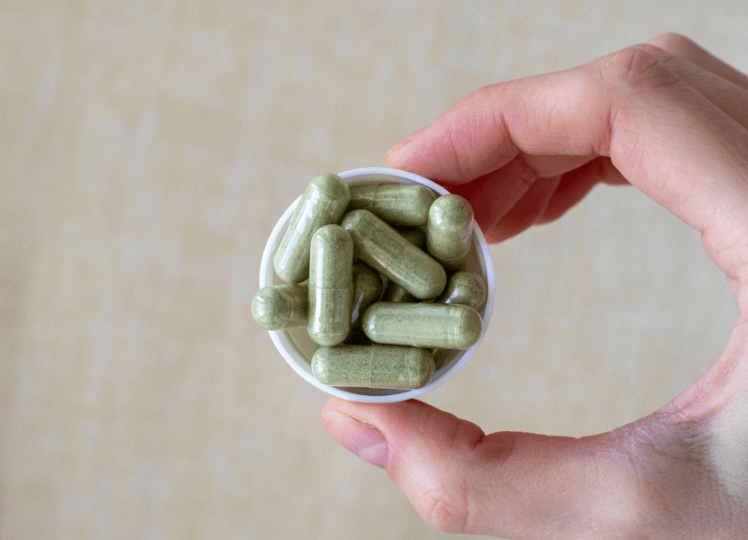
The concept of prebiotics, like probiotics, is not new, although the term itself is relatively recent, having been coined in the 1990s. The understanding that certain dietary components can promote the growth of beneficial gut bacteria predates this formal definition. Traditional diets rich in fiber from fruits, vegetables, grains, and legumes have naturally provided prebiotic benefits, supporting digestive health and overall well-being long before the science behind prebiotics was understood.Historically, the consumption of high-fiber foods, fermented foods, and a variety of plant-based foods contributed to a diet that naturally supported gut health. These traditional eating habits laid the groundwork for the modern understanding of prebiotics and their role in promoting a healthy microbiome.
-
02 Modern Uses in Consumer Products
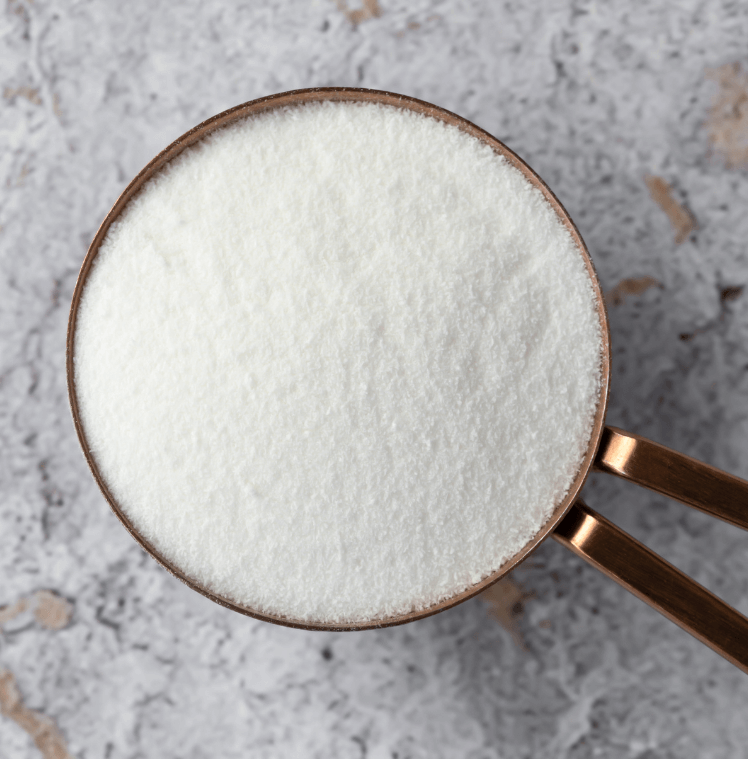
Today, prebiotics are incorporated into a wide array of consumer products, reflecting the growing awareness of gut health’s impact on overall health. These products include:
- Dietary Supplements: Prebiotic supplements are available in powder, capsule, and liquid forms. They are often marketed to support digestive health, improve the absorption of minerals, and enhance the immune system.
- Functional Foods and Beverages: Prebiotics are added to a variety of foods and drinks, including yogurt, cereal bars, bread, and beverages, to enhance their fiber content and provide gut health benefits.
- Infant Formula: Some infant formulas are fortified with prebiotics to promote a healthy gut flora from an early age.
- Pet Food: Recognizing the importance of gut health in animals, some pet foods include prebiotics to support digestive health in pets.
The use of prebiotics in consumer products capitalizes on the increasing understanding of the importance of gut health in overall wellness and the desire for natural dietary approaches to support this. As with any dietary supplement or functional food, consumers are encouraged to consult healthcare professionals before adding new prebiotic products to their regimen, especially those with specific health conditions or dietary needs.
Current Regulatory Environment
In the United States, prebiotics are regulated as dietary ingredients and food components by the Food and Drug Administration (FDA). When included in dietary supplements, prebiotics must comply with the regulations under the Dietary Supplement Health and Education Act (DSHEA) of 1994. This act requires manufacturers to ensure the safety of their products and that any claims made are not misleading. However, the FDA does not approve dietary supplements (including those containing prebiotics) before they enter the market.
When prebiotics are added to foods, these products are regulated as conventional foods or functional foods and must be safe for consumption and properly labeled. The FDA oversees these regulations to ensure consumer safety.
In the European Union, prebiotics are regulated under the European Food Safety Authority (EFSA), which assesses health claims made about food products, including prebiotics. The regulatory framework in the EU for prebiotics as food supplements is similar, requiring that products are safe, properly labeled, and that health claims are scientifically substantiated.
DISCLAIMER: This information is provided on an as-is basis for general background. Independent, verified research should be conducted on all ingredients in food, supplements, and consumer products.

2000+
Manufacturers