

Retinol is a form of vitamin A, an essential nutrient involved in various biological processes, including vision, immune function, and skin health. As a skincare ingredient, retinol is celebrated for its potent anti-aging, acne-treating, and skin-renewing properties. It is one of the most studied and proven ingredients in dermatology for improving the appearance of fine lines, wrinkles, uneven skin tone, and texture.
-
01 Origins and Traditional Uses
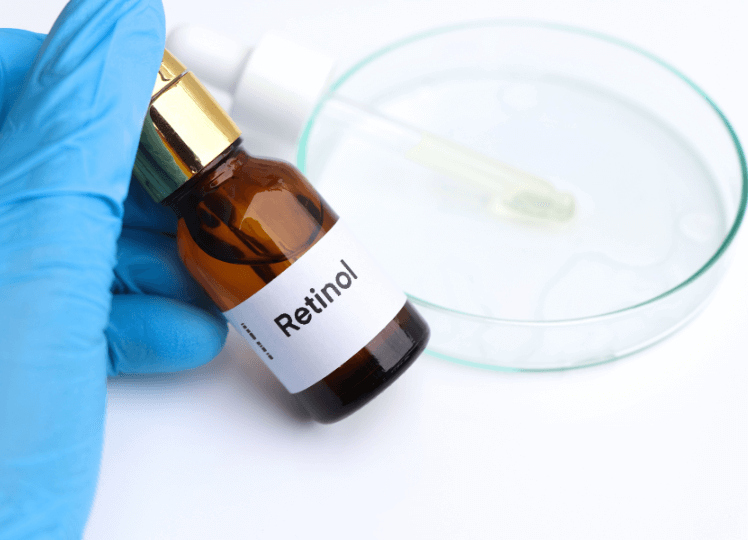
The use of vitamin A derivatives in skincare dates back to the early 20th century, but it wasn’t until the 1960s and 1970s that retinol and its more potent form, tretinoin (also known as retinoic acid or Retin-A), were scientifically studied and recognized for their skin benefits. Tretinoin was initially approved by the FDA in 1971 for the treatment of acne, and its effectiveness in treating photoaging and other skin conditions was subsequently discovered.
-
02 Modern Uses in Consumer Products

Today, retinol is found in a wide array of consumer skincare products, celebrated for its anti-aging and skin-improving effects:
- Anti-aging creams and serums: Retinol is a key ingredient in products designed to reduce the appearance of fine lines, wrinkles, and age spots. It promotes skin renewal and collagen production.
- Acne treatments: It helps to unclog pores, reduce breakouts, and minimize acne scars.
- Brightening products: Retinol can improve uneven skin tone and diminish hyperpigmentation by accelerating skin cell turnover.
- Eye creams: Formulated to target signs of aging around the eyes, such as crow’s feet and under-eye bags.
While retinol is celebrated for its benefits, it can also cause skin irritation, redness, and peeling, particularly when first introduced into a skincare routine or used in high concentrations. It’s recommended to start with lower concentrations, gradually increasing frequency as the skin adjusts, and always using sunscreen during the day, as retinol can increase the skin’s sensitivity to sunlight.Given its effectiveness, retinol remains a staple ingredient in the skincare industry, with ongoing research and development leading to innovative formulations designed to deliver its benefits while minimizing potential irritation.
Current Regulatory Environment
United States: In the U.S., retinol is available over-the-counter (OTC) in various skincare products, while its stronger counterparts like tretinoin are available by prescription. The Food and Drug Administration (FDA) regulates retinol-containing cosmetics to ensure they are safe and properly labeled. Prescription retinoids are approved and regulated as drugs, with specific indications such as acne treatment and photoaging.
European Union: In the EU, cosmetic products containing retinol are regulated under the European Commission’s regulation on cosmetic products. The concentration of retinol in over-the-counter products is regulated, and products must meet safety standards. Prescription-strength retinoids are regulated as medications.
DISCLAIMER: This information is provided on an as-is basis for general background. Independent, verified research should be conducted on all ingredients in food, supplements, and consumer products.

2000+
Manufacturers