

Ginger (Zingiber officinale) is a flowering plant whose rhizome, ginger root, is widely used as a spice and a folk medicine. It is a member of the Zingiberaceae family, which also includes turmeric, cardamom, and galangal.
-
01 Origins and Traditional Uses
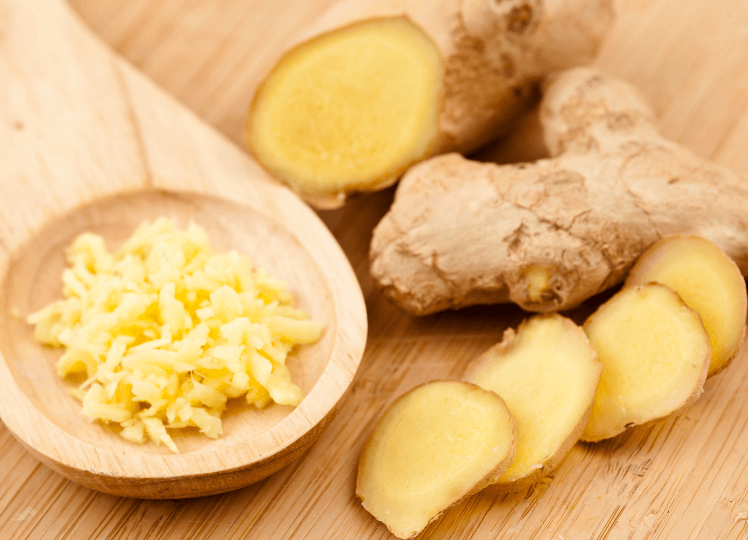
Ginger originates from Southeast Asia and has a long history of cultivation that spans over 5,000 years. It was one of the first spices to be exported from Asia, making its way to Europe via the spice trade. Ancient texts from India, China, and the Middle East include ginger as a key component in their culinary and medicinal traditions.Traditionally, ginger has been used to aid digestion, reduce nausea, and help fight the flu and common cold, among other uses. In Ayurvedic medicine, it’s considered a universal medicine that works on all body types to balance the three doshas (vata, pitta, and kapha). In Chinese medicine, ginger is used to help expel cold and restore the body’s yang energy.
-
02 Modern Uses in Foods
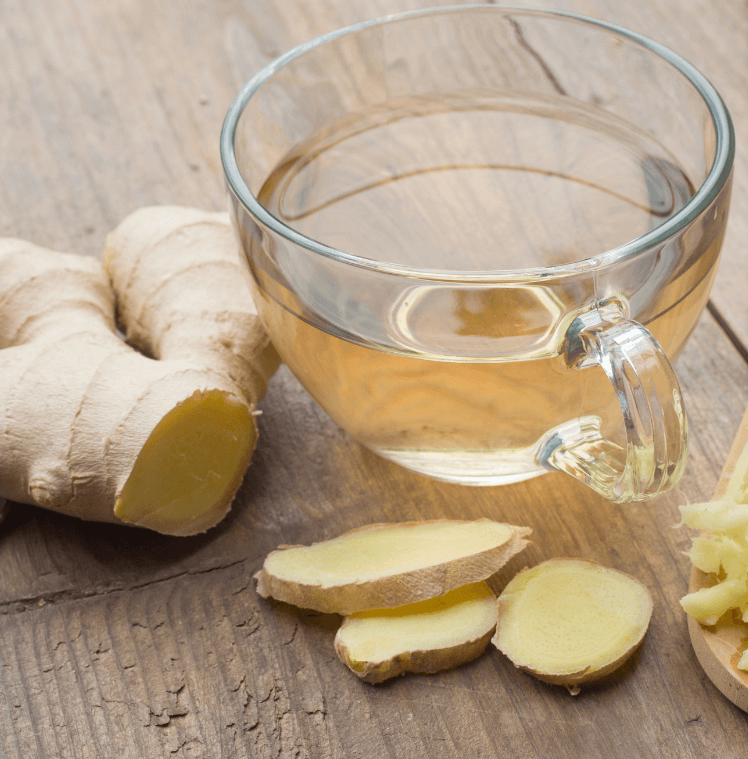
Today, ginger is widely used in various forms across many culinary traditions:Culinary uses: Fresh, dried, powdered, or as an oil or juice, ginger is a common ingredient in recipes for sweets and savories. It’s essential in many Asian cuisines, used in stir-fries, soups, marinades, and tea.
- Beverages: Ginger is used in drinks, from traditional ginger tea to modern beverages like ginger ale and ginger beer.
- Health and wellness products: Ginger supplements are popular for their potential to relieve nausea, especially morning sickness in pregnancy, and motion sickness. Ginger is also included in many dietary supplements for its supposed anti-inflammatory and digestive benefits.
- Functional foods: Ginger is incorporated into functional foods aimed at improving health, such as ginger-infused honey, energy bars, and yogurt.
The global appreciation for ginger continues to grow, not only for its culinary versatility and flavor but also for its potential health benefits. Research on ginger has investigated its effects on digestion, inflammation, and nausea, among other areas. However, while ginger is generally considered safe for most people, consuming it in very high doses may lead to adverse effects, and it’s always advisable to consult a healthcare provider before using ginger supplements, especially for those with medical conditions or pregnant women.
Current Regulatory Environment
As a food ingredient, ginger is regulated by food safety authorities in various countries:
In the United States, the Food and Drug Administration (FDA) classifies ginger as “Generally Recognized as Safe” (GRAS) for use in foods. Dietary supplements containing ginger are regulated under the Dietary Supplement Health and Education Act (DSHEA) of 1994, which allows them to be marketed without FDA approval, provided they are safe and labels are truthful and not misleading.
In the European Union, the European Food Safety Authority (EFSA) oversees food safety, including the use of ginger in foods and supplements. Products must comply with EU regulations regarding food additives and novel foods if applicable.
Globally, the Codex Alimentarius includes standards and guidelines for the safe use of spices and culinary herbs, including ginger.
DISCLAIMER: This information is provided on an as-is basis for general background. Independent, verified research should be conducted on all ingredients in food, supplements, and consumer products.

2000+
Manufacturers