

Hibiscus refers to a large genus of flowering plants in the mallow family, Malvaceae, with several hundred species native to warm-temperate, subtropical, and tropical regions throughout the world. The most commonly used species for culinary and medicinal purposes is Hibiscus sabdariffa, known for its bright red flowers and tart, cranberry-like flavor. This particular species is often referred to as roselle or red sorrel in different parts of the world.
-
01 Origins and Traditional Uses
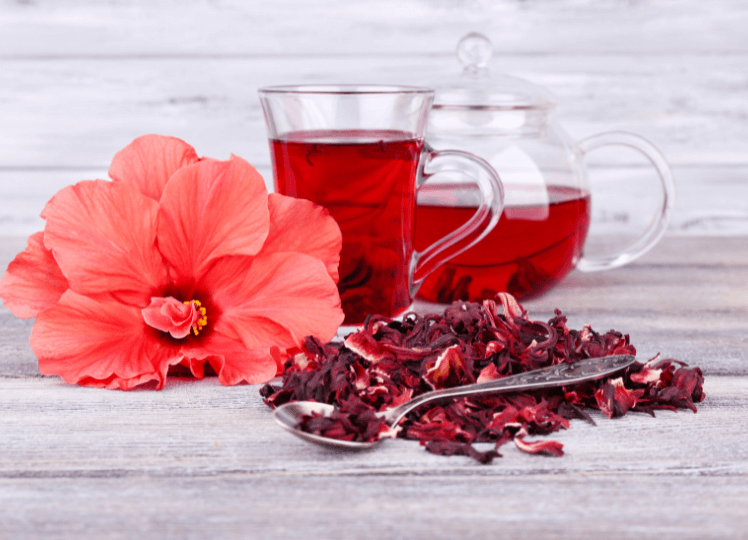
The cultivation of Hibiscus sabdariffa is believed to have originated in West Africa, India, or Southeast Asia, with historical evidence of its use dating back centuries. It has been traditionally used in various cultures for its health benefits and as a food product:
- Medicinal: Hibiscus has been used in traditional medicine systems around the world, including Ayurveda and traditional African and Thai medicines. It has been used to treat hypertension, lower fever, and improve liver health, among other uses.
- Culinary: The calyces of Hibiscus sabdariffa are used to make herbal teas, jams, soups, and sauces. In the Caribbean, hibiscus tea is known as “sorrel” and is a popular drink during the Christmas season. In Mexico and other parts of Latin America, it is known as “agua de Jamaica” and consumed as a cold beverage.
-
02 Modern Uses in Foods
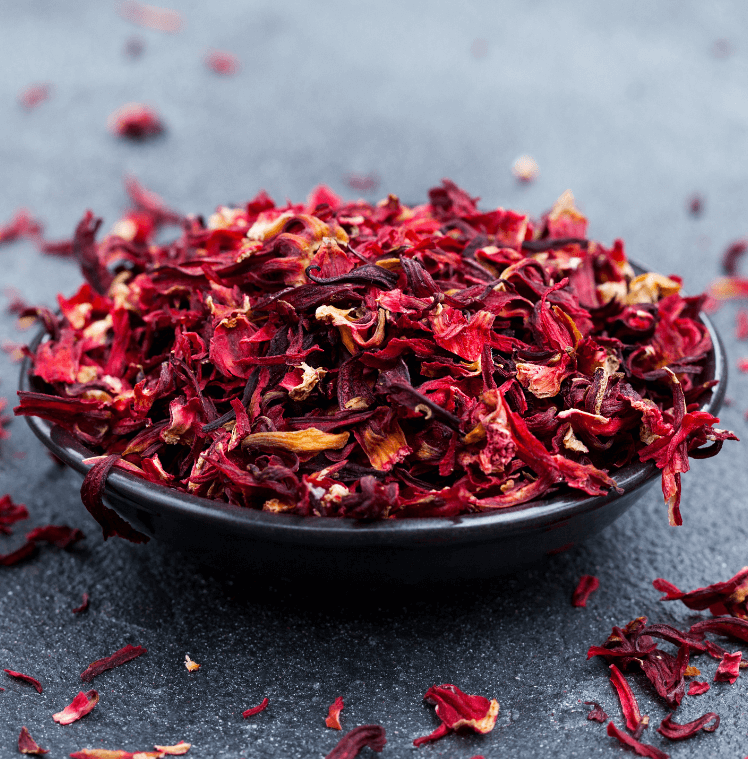
Today, hibiscus is used worldwide in a variety of culinary and commercial food applications:
- Teas and Beverages: Hibiscus is perhaps best known for its use in herbal teas, both for its flavor and potential health benefits, including antioxidant properties and blood pressure management. It is also used in cocktails, mocktails, and flavored waters.
- Food Coloring: The vibrant red color of hibiscus makes it a natural food dye for products like jams, jellies, and baked goods.
- Flavoring Agent: Beyond its use as a beverage, hibiscus is also used to flavor and acidify foods, including dairy products like yogurt and ice cream, as well as candies and sauces.
The interest in hibiscus has grown in recent years, not only due to its distinctive taste and color but also because of its potential health benefits. Research into these benefits is ongoing, with studies investigating its effects on blood pressure, cholesterol levels, and metabolic health. As with any dietary supplement or ingredient, it’s important for consumers to use hibiscus responsibly and be aware of how it might interact with medications or affect individual health conditions.
Current Regulatory Environment
As a food ingredient, hibiscus is regulated by food safety authorities in various countries:
In the United States, the Food and Drug Administration (FDA) oversees the use of hibiscus in foods and beverages. Hibiscus is generally recognized as safe (GRAS) for use as a food ingredient.
In the European Union, the European Food Safety Authority (EFSA) regulates the use of food additives and ingredients, including hibiscus, to ensure they meet safety standards.
Globally, the Codex Alimentarius, developed by the Food and Agriculture Organization (FAO) and the World Health Organization (WHO), provides food standards, guidelines, and codes of practice that include the safe use of hibiscus in food products.
DISCLAIMER: This information is provided on an as-is basis for general background. Independent, verified research should be conducted on all ingredients in food, supplements, and consumer products.

2000+
Manufacturers