

Moringa, known scientifically as Moringa oleifera, is a fast-growing, drought-resistant tree native to the Indian subcontinent. Commonly referred to as the “drumstick tree,” “horseradish tree,” or “ben oil tree,” moringa has been cultivated and used in India, Pakistan, Nepal, and Bangladesh for centuries, both for its nutritional properties and medicinal benefits. It has also been adopted in many other parts of the world, including Africa, South America, and Southeast Asia.
-
01 Origins and Traditional Uses
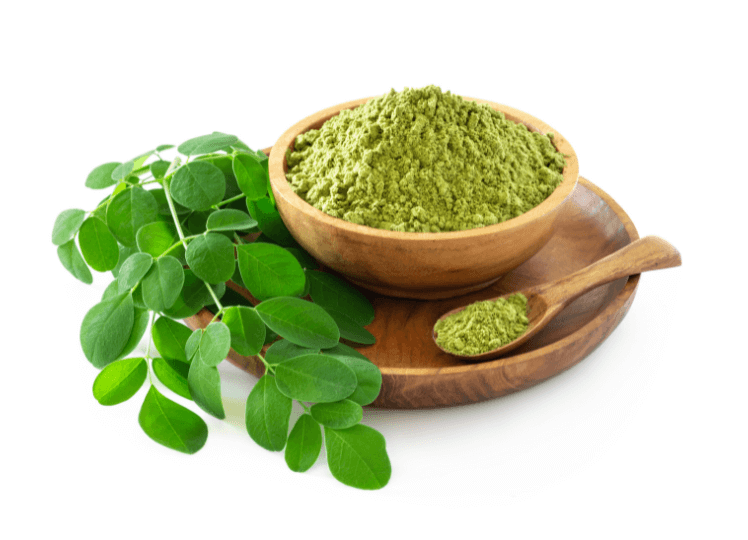
Moringa has a rich history of use in traditional medicine and as a food source. Every part of the tree can be used for various purposes:
- Leaves: Rich in vitamins and minerals, moringa leaves are used in traditional dishes, salads, and as a nutritional supplement. They are known for their antifungal, antiviral, antidepressant, and anti-inflammatory properties.
- Seeds: Used for purifying water, as a source of oil (ben oil), and for their antibiotic and anti-inflammatory properties.
- Roots: The roots have a horseradish-like flavor and have been used in traditional medicine as a cardiac and circulatory stimulant.
- Bark and Flowers: Used medicinally for their antimicrobial and anti-inflammatory qualities.
-
02 Modern Uses in Foods
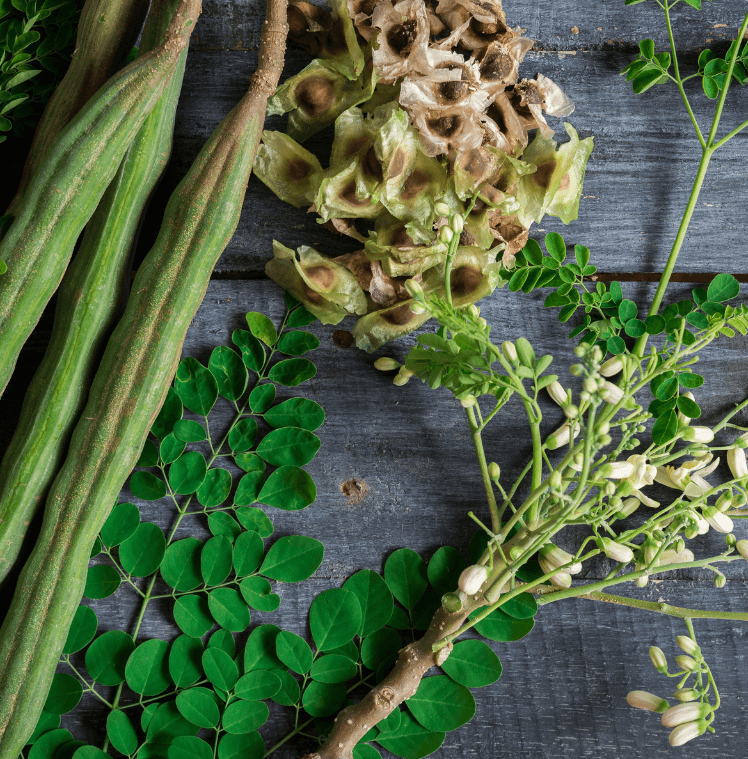
Today, moringa is celebrated for its nutritional content and health benefits, leading to its designation as a superfood in some circles. It is used in a variety of ways:
- Dietary Supplements: Moringa is available in powder form, capsules, and teas, often touted for its antioxidant properties and as a natural energy booster.
- Functional Foods: Moringa leaves are incorporated into snack bars, smoothies, and energy drinks for their high vitamin and mineral content.
- Culinary Uses: The leaves, pods, and even flowers of moringa can be used in cooking. Moringa leaf powder is also used to enrich soups, sauces, and even baked goods.
The global popularity of moringa continues to grow, with increased interest in its potential health benefits, nutritional value, and sustainability as a crop. Despite this, consumers should approach superfood claims with caution and consider incorporating moringa into a balanced and varied diet.
Current Regulatory Environment
United States
The regulatory environment for moringa varies by country, primarily depending on its intended use (e.g., as a food, dietary supplement, or medicinal product):
In the United States, the Food and Drug Administration (FDA) does not require dietary supplements, including those made from moringa, to be approved before they are marketed. However, manufacturers are responsible for ensuring that their products are safe and that any claims made about them are accurate and not misleading. Moringa used as a food ingredient must comply with food safety regulations.
European Union (EU)
In the European Union, products containing moringa that are sold as dietary supplements must comply with the EU’s food safety standards and regulations regarding novel foods, if applicable. Supplements and products must be safe for consumption and properly labeled.
Globally, the regulatory status of moringa products can vary, with countries implementing their own regulations regarding the sale and marketing of dietary supplements and food products.
DISCLAIMER: This information is provided on an as-is basis for general background. Independent, verified research should be conducted on all ingredients in food, supplements, and consumer products.
2000+
Manufacturers