Traditional Grains Manufacturing

Traditional Grains

Your Puffed Grains. Your Recipe. The Right Contract Manufacturer.

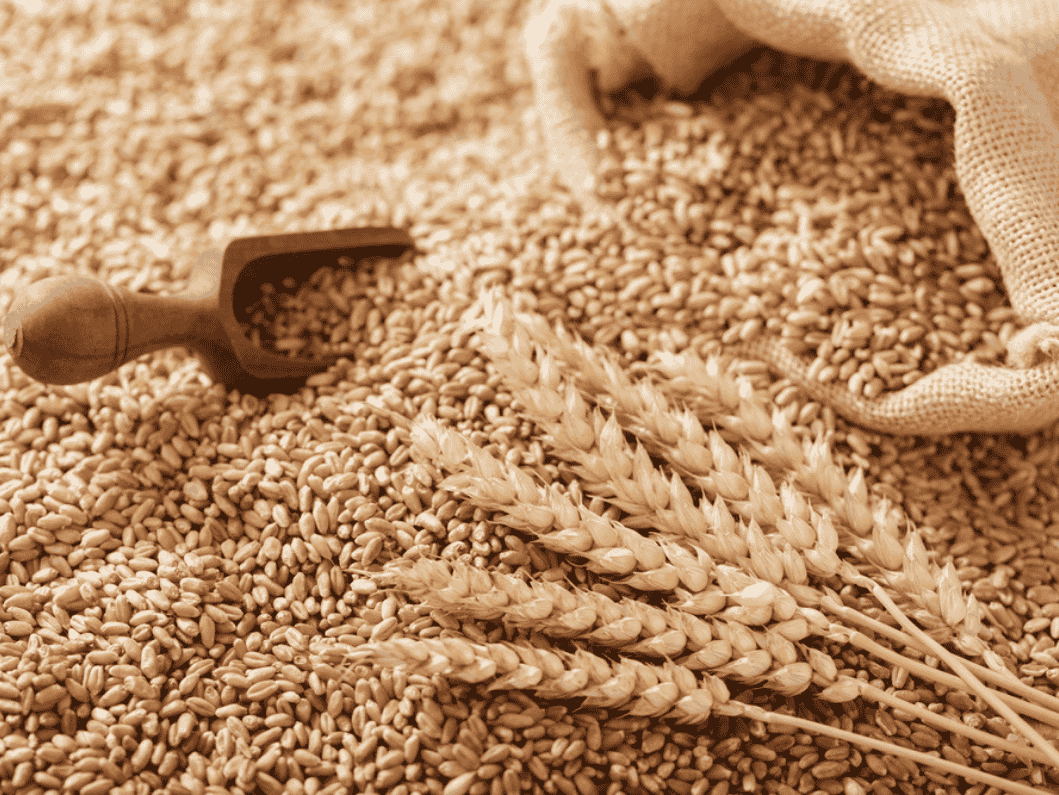
Traditional grains are whole grains that have been consumed for centuries and remain an essential part of many diets worldwide. Known for their rich nutrient profiles, these grains are staples in various culinary traditions and offer numerous health benefits. They are packed with essential vitamins, minerals, fiber, and antioxidants, contributing to overall wellness and disease prevention. Traditional grains are versatile and can be used in a multitude of dishes, making them a valuable addition to both everyday meals and gourmet cuisine.

Traditional grains have been a staple in diets around the world for centuries, celebrated for their rich nutritional profiles and diverse culinary applications. These grains, including varieties such as quinoa, spelt, amaranth, and millet, offer a wholesome alternative to modern processed foods, supporting a balanced and healthy lifestyle.

  • 01 Types of Traditional Grains:

    Types of Traditional Grains:
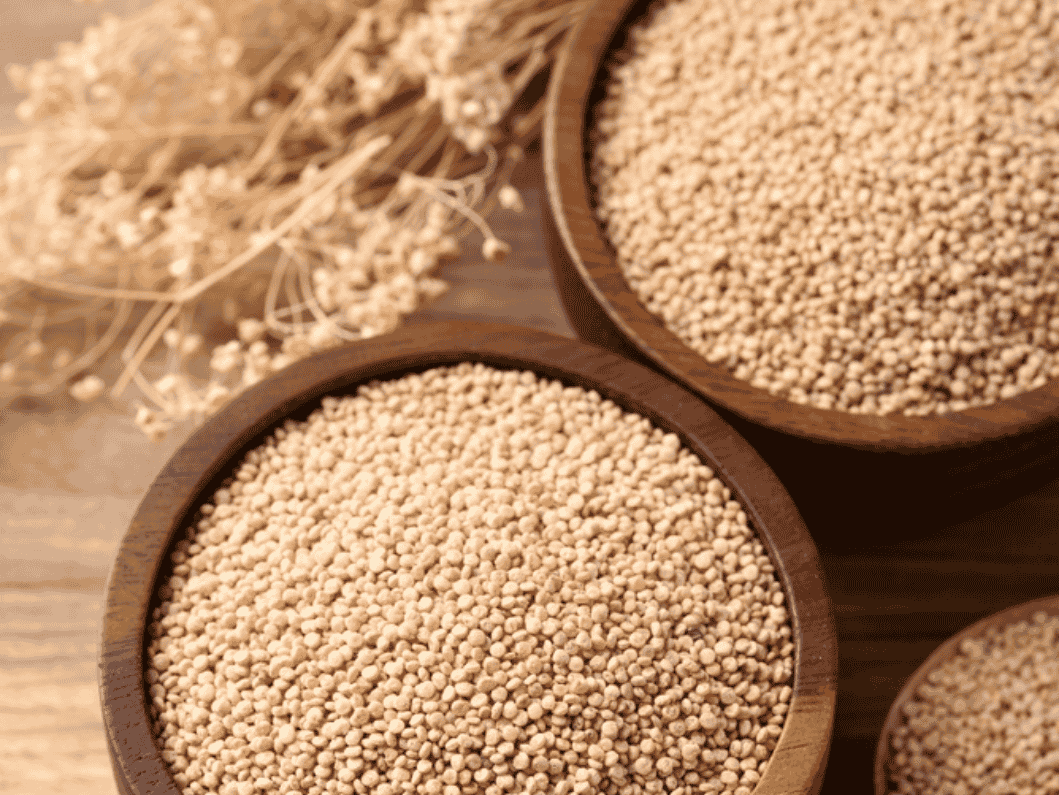
    • Quinoa: A complete protein source, quinoa is gluten-free and provides essential amino acids, fiber, magnesium, and iron. It has a mild, nutty flavor and can be used in salads, soups, and as a side dish.
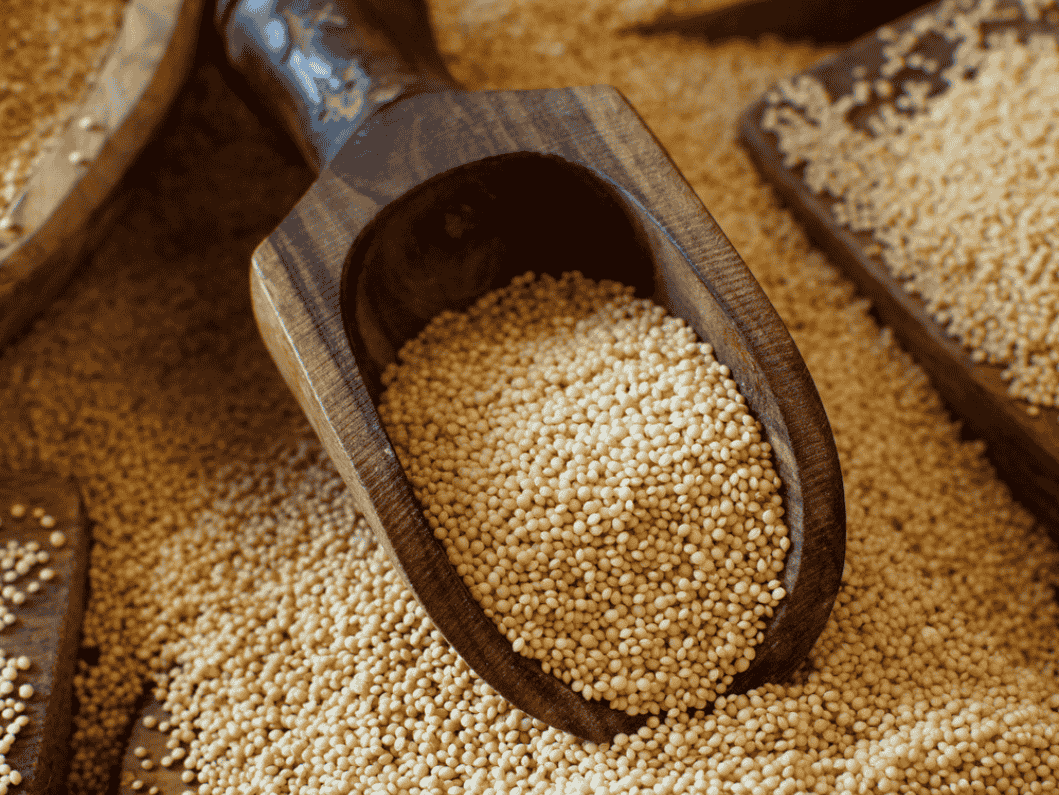
    • Amaranth: Another gluten-free grain, amaranth is high in protein and contains all nine essential amino acids. It’s rich in fiber, calcium, iron, and magnesium. Amaranth can be used in porridge, baked goods, and as a thickener for soups and stews.
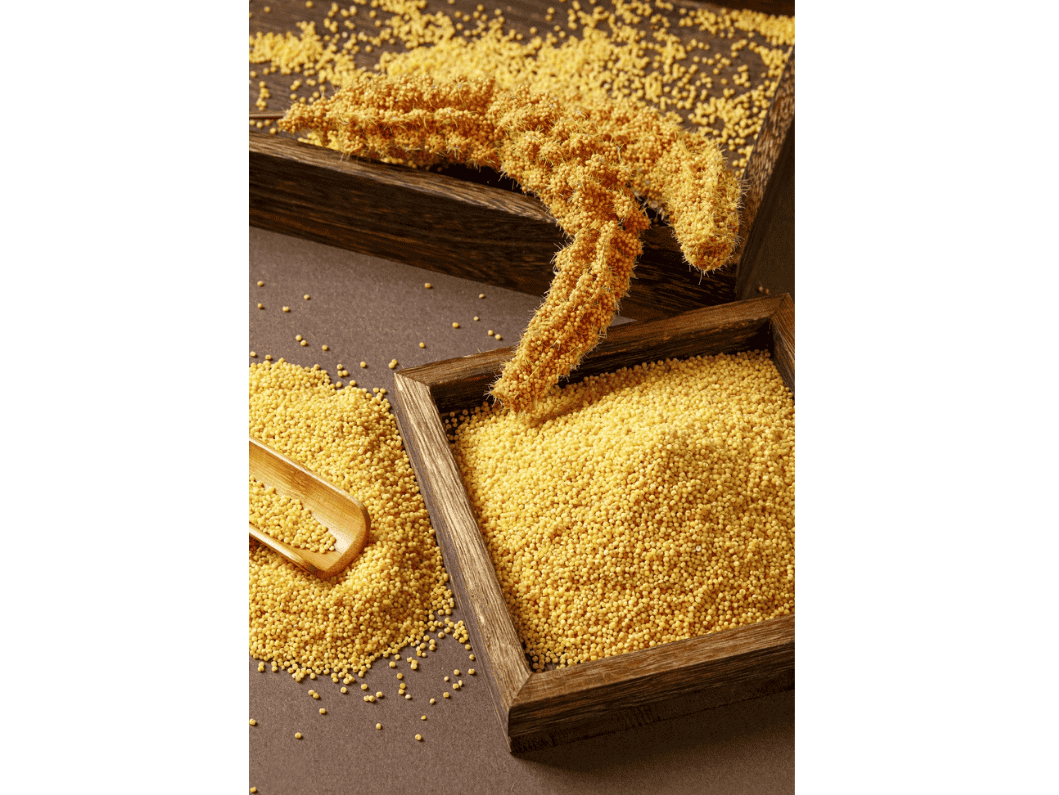
    • Millet: Millet is a highly digestible, gluten-free grain rich in magnesium, phosphorus, and antioxidants. It has a mild flavor and can be used in porridges, salads, and as a rice substitute.
    • Sorghum: This grain is gluten-free and high in protein, fiber, and antioxidants. Sorghum can be used in various forms, such as whole grain, flour, or syrup, and is suitable for baking, brewing, and as a cereal.
    • Buckwheat: Despite its name, buckwheat is gluten-free and is packed with protein, fiber, and various antioxidants. It’s commonly used in pancakes, noodles, and porridge.
  • 02 Formulations of Traditional Grains:

    • Whole Grains: These are unprocessed grains that retain all their natural components, including the bran, germ, and endosperm. They provide the highest nutritional value and can be cooked as a side dish, added to salads, or used in soups and stews.
    • Flours: Traditional grains can be milled into flours, which are used in baking bread, pastries, and other baked goods. These flours can be used alone or blended with other flours to improve texture and flavor.
    • Puffed Grains: Through a process of high heat and pressure, traditional grains can be puffed to create light, airy snacks. Puffed grains are excellent for making healthy breakfast cereals, snack bars, and granolas.
    • Flakes: Grains like quinoa, amaranth, and millet can be rolled into flakes, similar to oatmeal. These flakes are ideal for making porridge, muesli, and as a topping for yogurt and salads.
    • Pearled Grains: The outer husk of some grains, such as barley, can be removed, and the grain can be polished to create a pearled version. These grains cook faster and are used in soups, salads, and risottos.
    • Cracked Grains: Cracking grains like wheat and millet involves breaking them into smaller pieces, which reduces cooking time and adds texture to dishes like pilafs and porridge.
  • 03 Uses of Traditional Grains:

    • Breakfast: Traditional grains can be used to make hearty breakfast dishes such as porridge, granola, and breakfast bowls.
    • Baking: Flours made from traditional grains are used in baking bread, muffins, cookies, and cakes, providing a nutritious alternative to refined flours.
    • Side Dishes: Whole or cracked grains can be cooked and served as a side dish, similar to rice or couscous, complementing a variety of main courses.
    • Salads: Cooked grains like quinoa and millet are excellent additions to salads, adding texture, flavor, and nutritional value.
    • Soups and Stews: Traditional grains can be added to soups and stews to enhance their heartiness and nutritional content.
    • Snacks: Puffed and flaked grains are used to make healthy snacks like energy bars, granola, and puffed grain snacks.
image

A Traditional Grain Tailored To Your Brand

Modern consumers are increasingly turning to traditional grains for their numerous health benefits. Rich in essential nutrients like fiber, protein, vitamins, and minerals, these grains contribute to overall well-being and are particularly valued for their ability to support digestive health, boost energy levels, and maintain stable blood sugar levels. Additionally, their natural gluten-free options cater to those with specific dietary needs.

The market for traditional grains is evolving with innovative packaging and processing methods that maintain the grains’ integrity and freshness. Brands that focus on sustainable sourcing and eco-friendly packaging resonate strongly with today’s environmentally conscious consumers. Offering traditional grains in convenient, ready-to-cook formats further enhances their appeal, making them accessible to a broader audience.

Incorporating traditional grains into various culinary creations is easy and rewarding. From hearty breakfasts to savory dinners and delightful desserts, these grains bring versatility and a touch of heritage to modern kitchens. As the demand for healthy, natural ingredients continues to rise, traditional grains stand out as a key component in the pursuit of a nutritious and sustainable diet.

Brands that prioritize quality, sustainability, and consumer education can effectively tap into this growing market. By highlighting the unique benefits and diverse uses of traditional grains, they can attract health-conscious consumers looking for trustworthy and beneficial food choices.

However, creating such diversity and appeal within this snack range isn’t an easy task. Creating traditional grains with the quality, taste, and texture that meet the needs of your brand requires due diligence on your part.

Connecting You to the Right Manufacturer

We understand the importance of creating traditional grains that are not only delicious but also meets your brand’s standards. With multiple bakeries and food production facilities, our network provides an array of production and packaging options. 

Our commitment to quality, safety, and unique packaging ensures that your pasta will stand out from the competition and delight your customers. CoPack Connect packaging capabilities include:

  • Stand-Up Pouch
  • Flow Wrapping
  • Club Packs
  • Single-Serve
  • Convenience Packs
  • Sleeve Packaging
  • Gusset-Bottom Pouch
  • Variety Packs
  • Cartons
  • Bag-in-Box
  • Tins & Novelty Packaging

With more contract manufacturers and more contract packagers in more locations across North America, CoPack Connect gives you more options. Use CoPack Connect to help you connect with the right external manufacturer or packager for your next project.

image
image
map 1

2000+

Manufacturers

technologist white robe with yellow cheese head his hands is shop production butter cheese production process plant dairy products racks with cheese
Multiple bakeries and food production facilities across North America
drink factory production line fruit juice beverage prod
We help find the right manufacturer that best suits your needs
strategies integrating packaging innovation
Connect with providers across a wide range of food & CPG categories
technologist white robe with yellow cheese head his hands is shop production butter cheese production process plant dairy products racks with cheese
Multiple bakeries and food production facilities across North America
drink factory production line fruit juice beverage prod
We help find the right manufacturer that best suits your needs
strategies integrating packaging innovation
Connect with providers across a wide range of food & CPG categories
Privacy Overview

This website uses cookies so that we can provide you with the best user experience possible. Cookie information is stored in your browser and performs functions such as recognising you when you return to our website and helping our team to understand which sections of the website you find most interesting and useful.