

Your Rice. Your Recipe. The Right Contract Manufacturer.
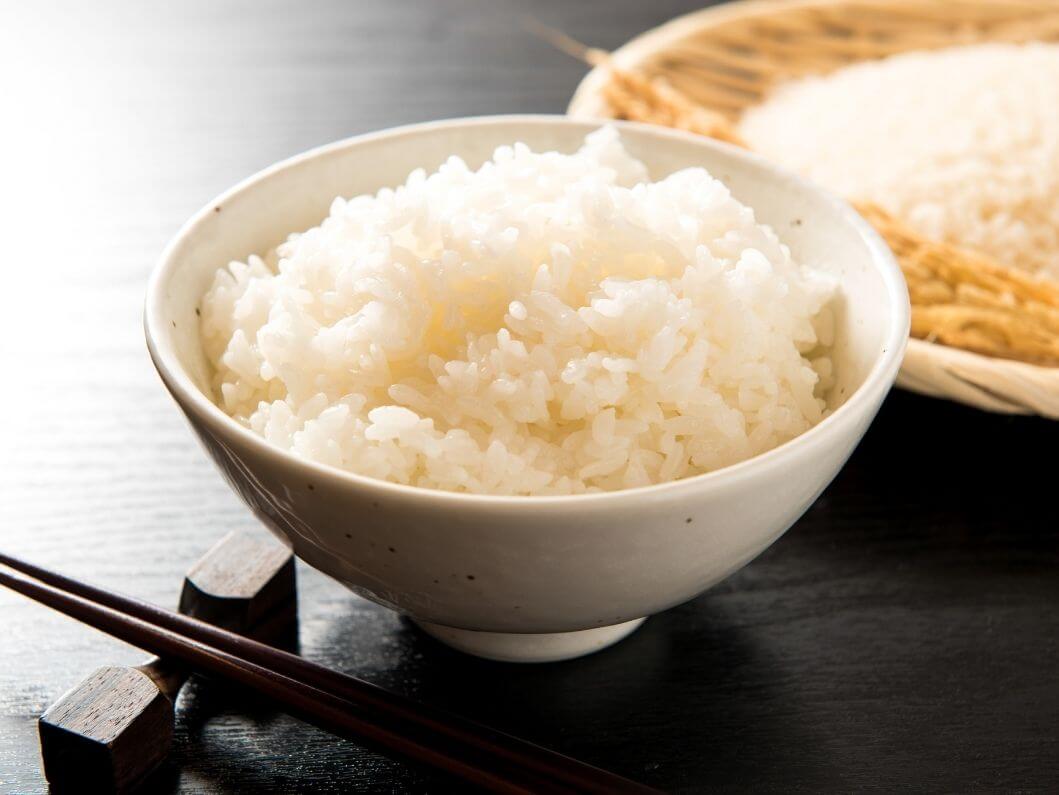
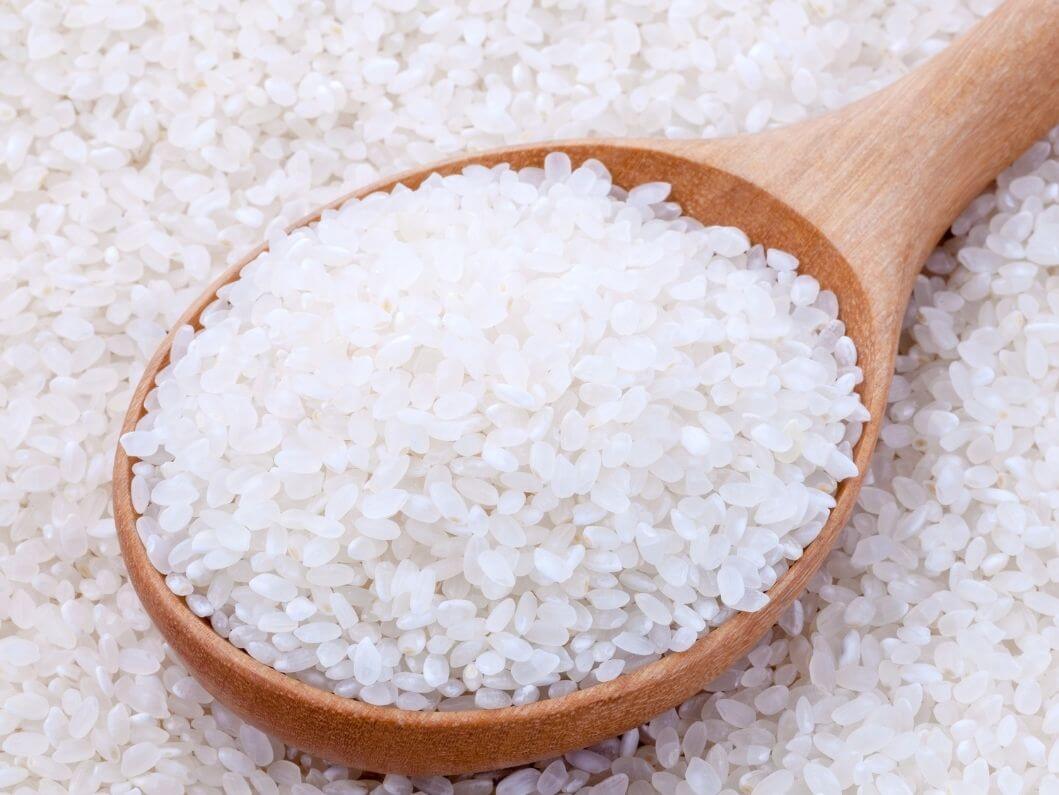
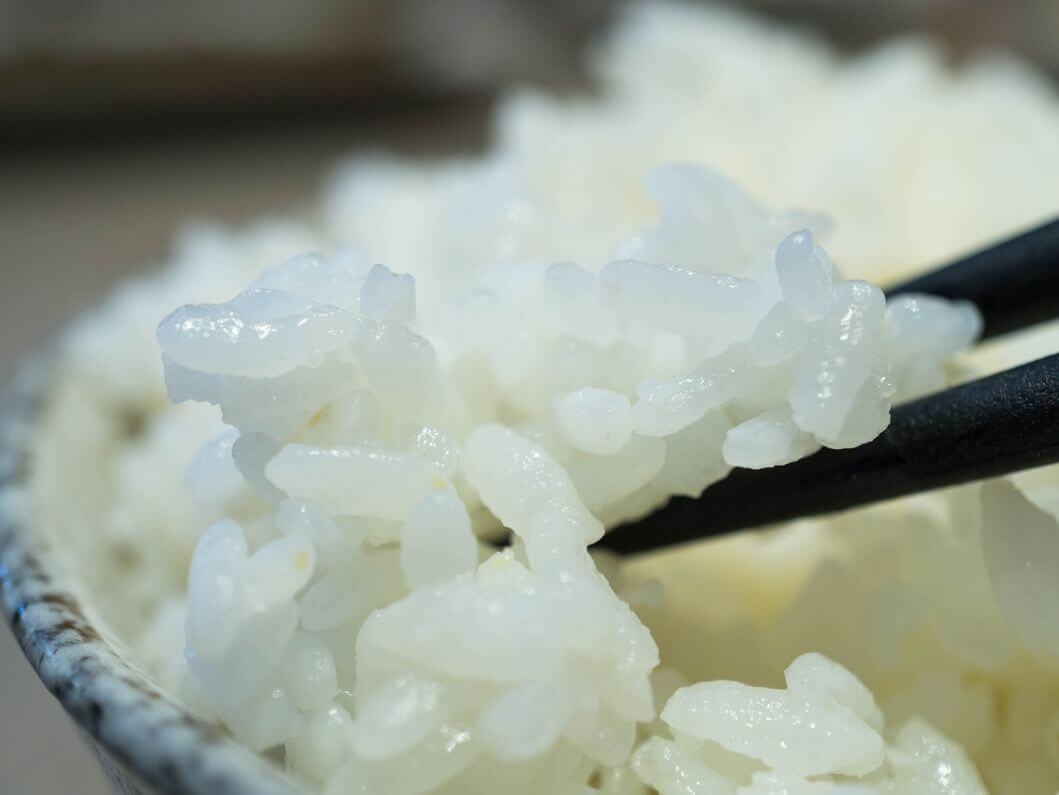
Japanese rice is a fundamental element of Japanese cuisine, renowned for its unique texture, flavor, and versatility in various dishes. This short-grain rice variety is distinctively sticky when cooked, making it ideal for an array of culinary applications. It is not just a staple food but a cultural icon, celebrated for its role in traditional and contemporary Japanese dishes. The high starch content of Japanese rice results in its characteristic stickiness, which is perfect for sushi, rice balls (onigiri), and more. Beyond its culinary uses, Japanese rice is also valued for its nutritional benefits, providing essential nutrients and energy.
-
01 Types of Japanese Rice:
- Koshihikari: Known for its excellent taste and texture, Koshihikari is the most popular variety of Japanese rice. It has a sweet flavor and a sticky texture, making it ideal for sushi and plain steamed rice.
- Sasanishiki: This variety is less sticky compared to Koshihikari, with a more delicate flavor. It is often used for dishes where a slightly firmer texture is desired.
- Hitomebore: Combining the best attributes of Koshihikari and Sasanishiki, Hitomebore is versatile and can be used in a wide range of dishes. It is slightly less sticky and has a well-balanced flavor.
- Akitakomachi: Known for its excellent taste, Akitakomachi is another premium variety, often used in high-end restaurants. Its texture is slightly softer than Koshihikari, and it has a naturally sweet flavor.
- Milky Queen: A relatively new variety, Milky Queen is prized for its ultra-sticky texture and milky flavor. It is perfect for dishes requiring very sticky rice, like rice balls and certain types of sushi.
-
02 Formulations of Japanese Rice:
- White Rice: The most common form of Japanese rice, white rice has had its outer husk, bran, and germ removed. It is polished to give it a shiny appearance and is primarily used in everyday meals and sushi.
- Brown Rice: Retaining its outer bran layer, brown rice is more nutritious than white rice. It has a chewy texture and a nutty flavor, making it a healthier option for those seeking more fiber and nutrients.
- Semi-Polished Rice (Haigamai): This type of rice is partially milled, retaining some of the bran and germ. It offers a balance between the nutritional benefits of brown rice and the softer texture of white rice.
- Glutinous Rice (Mochigome): Unlike its name suggests, glutinous rice is gluten-free. It is extremely sticky and is used to make mochi (rice cakes), sekihan (red bean rice), and other traditional Japanese sweets.
- Sushi Rice (Sumeshi): This is steamed white rice mixed with a seasoning of rice vinegar, sugar, and salt. It is specifically prepared for making sushi, providing the perfect balance of flavor and stickiness.
-
03 Nutritional Benefits:
Japanese rice is a rich source of carbohydrates, providing energy for daily activities. It also contains essential amino acids, vitamins, and minerals. Brown rice varieties offer additional health benefits due to their higher fiber content, aiding in digestion and providing longer-lasting energy.
-
04 Applications in Japanese Cuisine:
- Sushi: Japanese rice is essential for sushi, where its stickiness helps it hold together with other ingredients.
- Onigiri: These rice balls are often filled with pickled plum, salmon, or other fillings and are a popular snack or lunch item.
- Donburi: A bowl of rice topped with various ingredients such as beef (gyudon), tempura (tendon), or raw fish (kaisen-don).
- Rice Bowls (Gohan): Served with almost every meal, plain steamed rice is the cornerstone of Japanese dining.
- Mochi: Made from glutinous rice, mochi is a versatile food item used in sweets, soups, and various dishes.
- Sekihan: A celebratory dish made with glutinous rice and red beans, symbolizing good luck and happiness.
- Chazuke: A simple dish where hot tea or dashi broth is poured over rice, often garnished with seaweed, pickles, or grilled fish.

2000+
Manufacturers