

Your Rice. Your Recipe. The Right Contract Manufacturer.
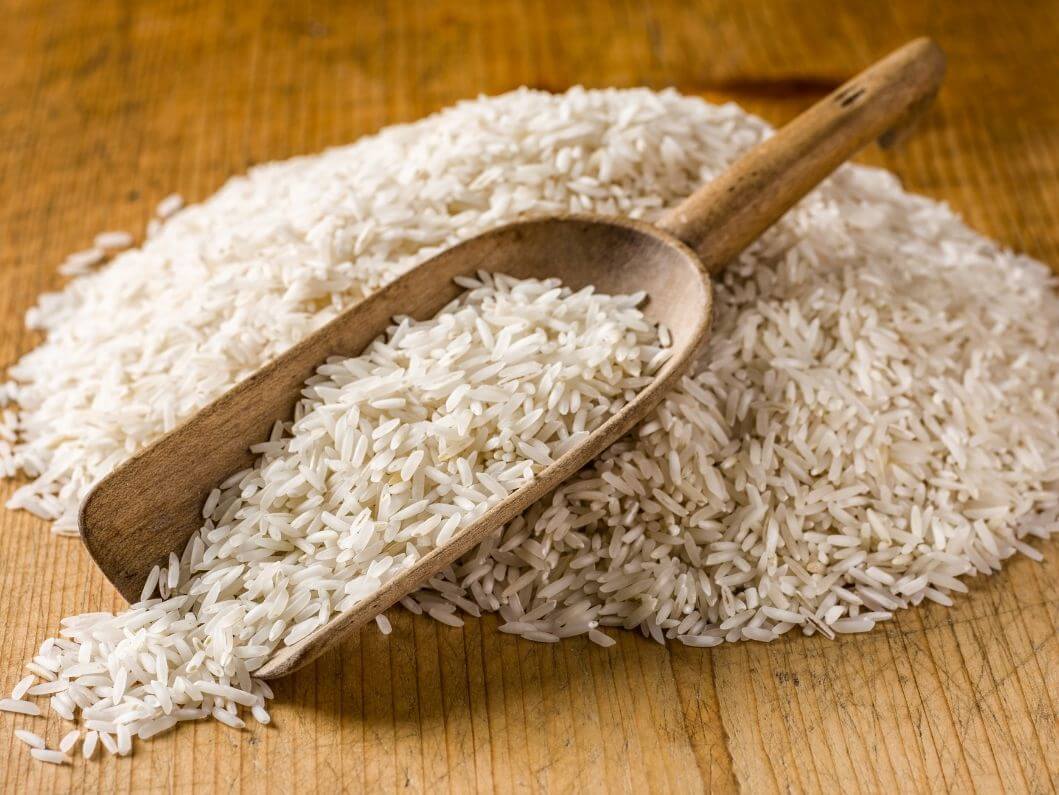
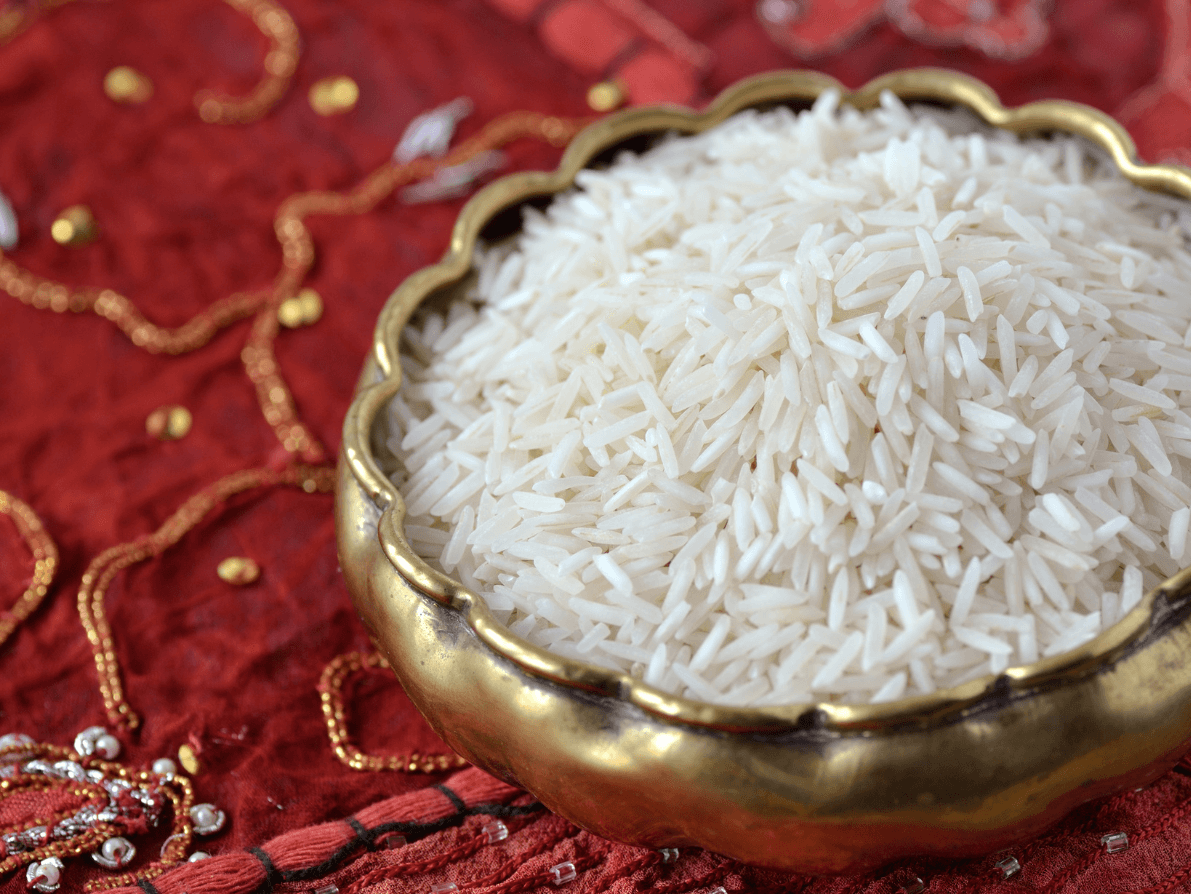
Basmati rice is a long-grain variety renowned for its distinctive aroma, fluffy texture, and unique nutty flavor. This premium rice is a staple in many culinary traditions and is celebrated for its versatility in both everyday meals and gourmet dishes. Basmati rice’s ability to absorb flavors while maintaining its individual grain integrity makes it ideal for a variety of recipes, from simple steamed rice to complex biryanis and pilafs. Its low glycemic index also makes it a preferred choice for health-conscious consumers.
Basmati rice plays a crucial role in enhancing the culinary experience by providing a fragrant and flavorful base for dishes. Its unique properties ensure that each grain remains separate after cooking, offering a delightful eating experience. Moreover, Basmati rice is rich in essential nutrients like carbohydrates, protein, and fiber, contributing to a balanced diet. Its gluten-free nature makes it suitable for those with gluten sensitivities or celiac disease.
-
01 Different Types of Basmati Rice:
- White Basmati Rice: This is the most common variety, with a polished white appearance and a delicate, aromatic flavor. It cooks quickly and is ideal for a wide range of dishes, from simple side dishes to elaborate feasts.
- Brown Basmati Rice: This type retains its bran and germ layers, offering a nuttier flavor and chewier texture. It is higher in fiber and essential nutrients compared to its white counterpart, making it a healthier choice.
- Aged Basmati Rice: Known for its enhanced aroma and elongated grains, aged Basmati rice is stored for a minimum of one year. The aging process intensifies its flavor and improves its texture, making it the preferred choice for premium dishes like biryanis.
- Organic Basmati Rice: Grown without synthetic pesticides or fertilizers, organic Basmati rice caters to those seeking eco-friendly and chemical-free food options. It offers the same delightful taste and texture with the added benefit of sustainable farming practices.
- Sella Basmati Rice: Also known as parboiled Basmati rice, this variety is partially boiled in the husk, which locks in nutrients and ensures the grains remain firm and separate after cooking. It is especially favored in commercial kitchens for its consistency.
-
02 Formulations of Basmati Rice:
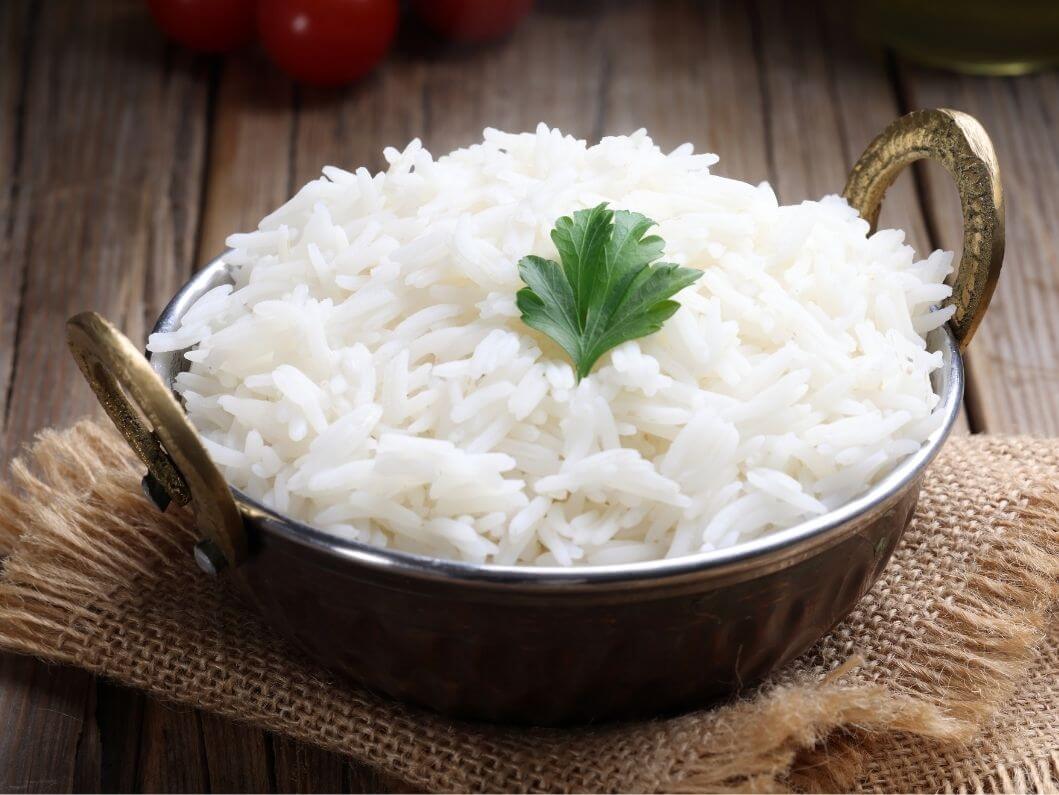
- Steamed Basmati Rice: The simplest and most traditional preparation method, where the rice is steamed with water until it is fluffy and aromatic. It serves as a perfect accompaniment to a variety of dishes, enhancing their flavors without overpowering them.
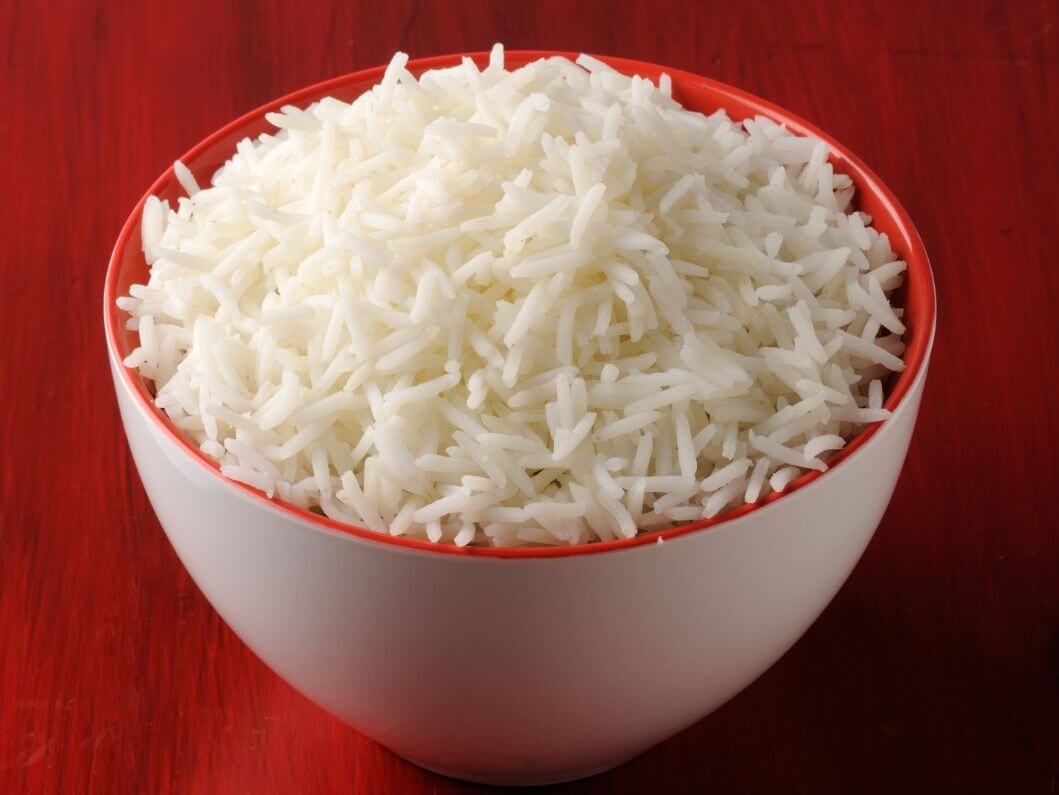
- Boiled Basmati Rice: Similar to steamed rice but often involves boiling the rice in an excess of water, which is then drained. This method helps in achieving a light and fluffy texture, ideal for salads and side dishes.
- Pulao: Basmati rice cooked with vegetables, spices, and sometimes meat or seafood. This one-pot dish combines the rich flavors of the ingredients with the aromatic rice, creating a balanced and flavorful meal.
- Biryani: A luxurious preparation where Basmati rice is layered with marinated meats, vegetables, and a blend of spices, then cooked slowly to infuse the flavors deeply. Each grain of rice absorbs the rich spices, making it a centerpiece of festive meals.
- Fried Rice: Basmati rice stir-fried with vegetables, eggs, or meats, seasoned with soy sauce or other condiments. This method is perfect for using leftover rice and creating a quick, flavorful meal.
- Rice Salads: Basmati rice mixed with fresh vegetables, herbs, and dressings to create a refreshing and nutritious salad. The rice adds a substantial base to the salad, making it a satisfying meal on its own.

2000+
Manufacturers