

Your Baked Goods. Your Recipe. The Right Contract Manufacturer.
Hummus spreads are a nutritious and versatile food made primarily from blended chickpeas, tahini (sesame seed paste), olive oil, lemon juice, and garlic. They are highly regarded for their creamy texture and rich flavor, making them a staple in Middle Eastern cuisine and increasingly popular worldwide. Hummus spreads are not only delicious but also packed with health benefits, including being a rich source of plant-based protein, dietary fiber, healthy fats, vitamins, and minerals. These spreads are known for their ability to enhance various meals and snacks, serving as a dip, spread, or even a cooking ingredient.
-
01 Types of Hummus Spreads:
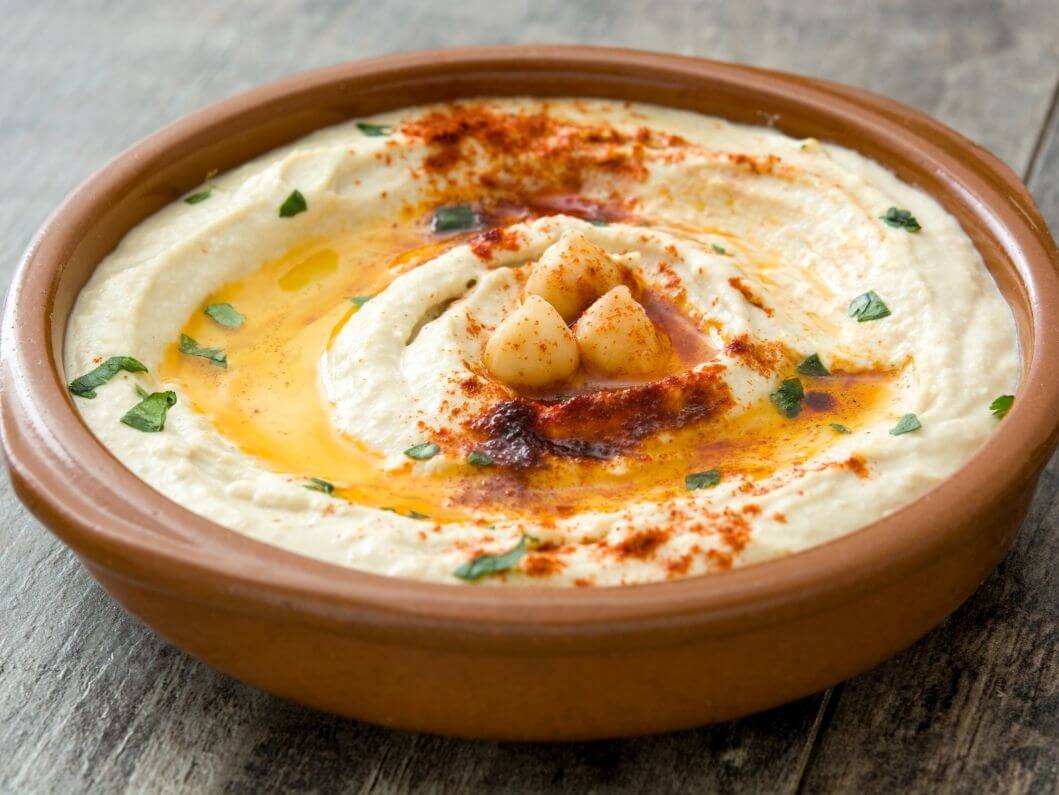
- Classic Hummus: The traditional blend of chickpeas, tahini, olive oil, lemon juice, and garlic. It has a smooth, creamy texture and a well-balanced flavor profile, making it incredibly versatile for use in various dishes.
- Roasted Red Pepper Hummus: This variation includes roasted red peppers, which add a sweet, smoky flavor and a vibrant color to the hummus. It’s perfect for those who enjoy a slight twist on the classic flavor.
- Garlic Hummus: Enhanced with additional garlic, this hummus has a more intense and robust garlic flavor, ideal for garlic lovers and perfect as a spread on sandwiches or a dip for vegetables.
- Herb Hummus: Incorporates fresh herbs like parsley, cilantro, basil, or dill, providing a fresh, aromatic twist to the traditional recipe. This type of hummus is great for adding a burst of herbal flavor to your dishes.
- Spicy Hummus: Features ingredients like jalapenos, harissa, or sriracha, giving it a spicy kick. This hummus is perfect for those who enjoy a bit of heat in their food and can add a lively flavor to wraps and sandwiches.
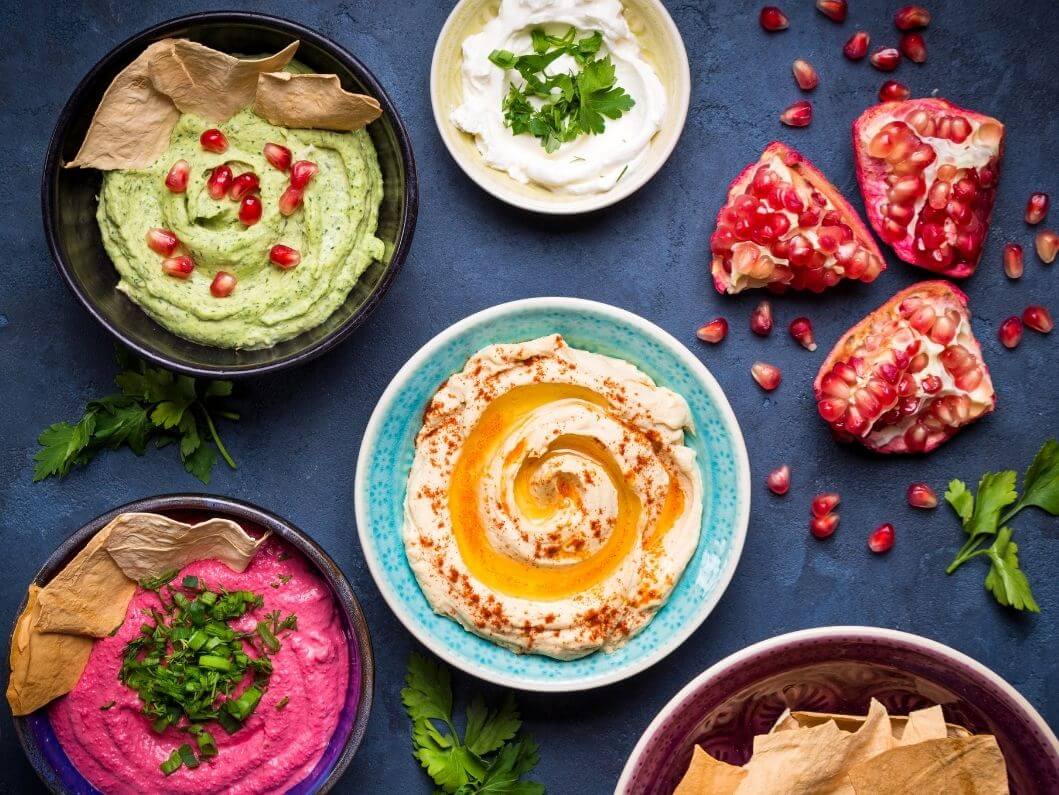
- Avocado Hummus: Combines the creaminess of avocado with the classic hummus base, resulting in a rich, buttery flavor. This variation is particularly popular for its smooth texture and added health benefits from the avocado.
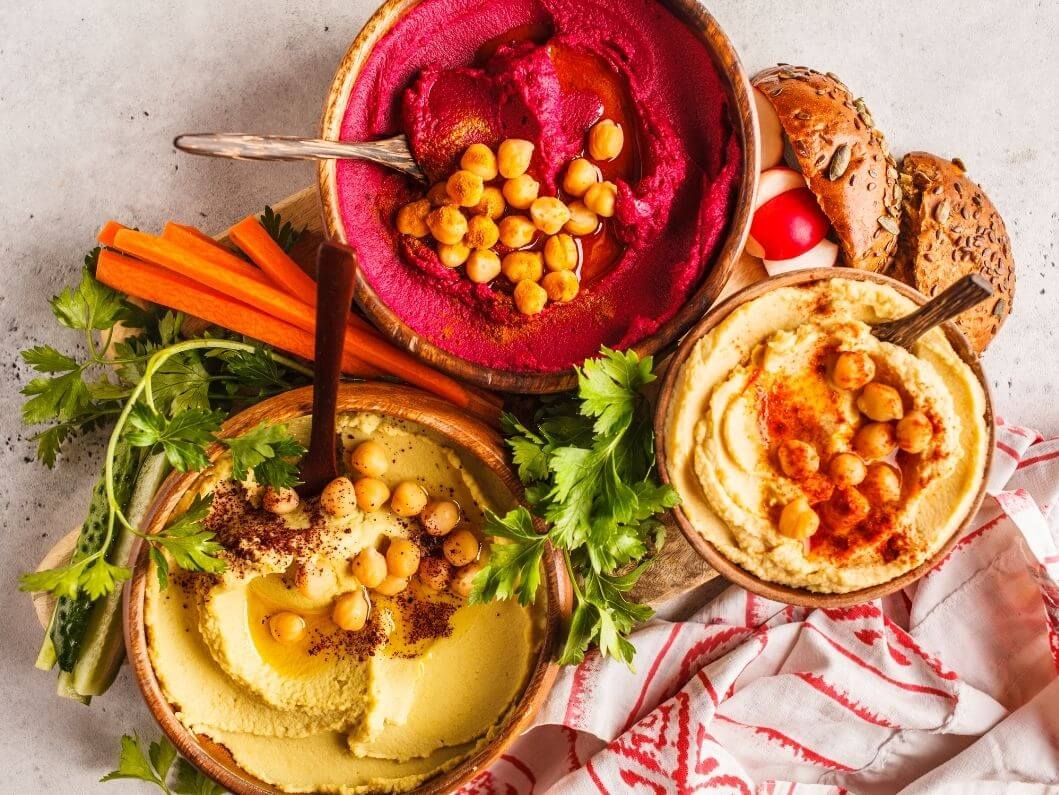
- Beet Hummus: Incorporates roasted beets, giving the hummus a slightly sweet taste and a striking magenta color. Beet hummus is not only visually appealing but also adds a unique flavor and additional nutrients.
- Pumpkin Hummus: Blends in pumpkin puree, offering a seasonal twist with a subtle sweetness and a rich, earthy flavor. This variation is often enjoyed during the fall and can be spiced with cinnamon or nutmeg for an extra touch.
- Sun-Dried Tomato Hummus: Features sun-dried tomatoes, which add a tangy and slightly sweet flavor. This hummus is excellent for adding a Mediterranean touch to your meals.
- Olive Hummus: Includes finely chopped olives, imparting a briny, savory flavor. Olive hummus pairs well with crackers, pita bread, and fresh vegetables.
-
02 Formulations of Hummus Spreads:
- Smooth Hummus: Creamy and silky, perfect for spreading on sandwiches or using as a dip for a variety of snacks. The smooth texture makes it easy to spread and incorporate into different dishes.
- Chunky Hummus: Contains bits of chickpeas or other ingredients for added texture, offering a heartier, more rustic spread. Chunky hummus provides a satisfying bite and is great for those who prefer a bit more substance in their spreads.
- Oil-Free Hummus: Made without added oils, suitable for those following a low-fat or oil-free diet while maintaining a rich, flavorful spread. This version focuses on the natural creaminess of the chickpeas and tahini.
- High-Protein Hummus: Enriched with additional protein sources like Greek yogurt, extra chickpeas, or protein powder, ideal for those looking to increase their protein intake. High-protein hummus is perfect for athletes and those on high-protein diets.
- Low-Sodium Hummus: Formulated with reduced salt for individuals monitoring their sodium consumption without sacrificing flavor. This version caters to those with dietary restrictions or preferences for lower sodium intake.
- Organic Hummus: Made with organic ingredients, catering to consumers who prefer organic products and are conscious about food sourcing and processing. Organic hummus is free from synthetic pesticides and fertilizers.
- Gluten-Free Hummus: Certified gluten-free for those with gluten sensitivities or celiac disease, ensuring safe consumption. This version is made with ingredients that do not contain gluten, preventing cross-contamination.
- Vegan Hummus: Ensures all ingredients are plant-based, aligning with vegan dietary preferences and ethical considerations. Vegan hummus excludes any animal-derived ingredients and focuses on plant-based nutrition.
- Fermented Hummus: Incorporates fermented ingredients, such as miso or sauerkraut, to add probiotic benefits and a tangy flavor. This formulation supports digestive health and adds a unique twist to the traditional hummus.
- Superfood Hummus: Enriched with nutrient-dense ingredients like spirulina, chia seeds, or flaxseeds, providing additional health benefits. Superfood hummus boosts the nutritional profile of the spread with antioxidants and essential nutrients.
-
03 Applications of Hummus Spreads:
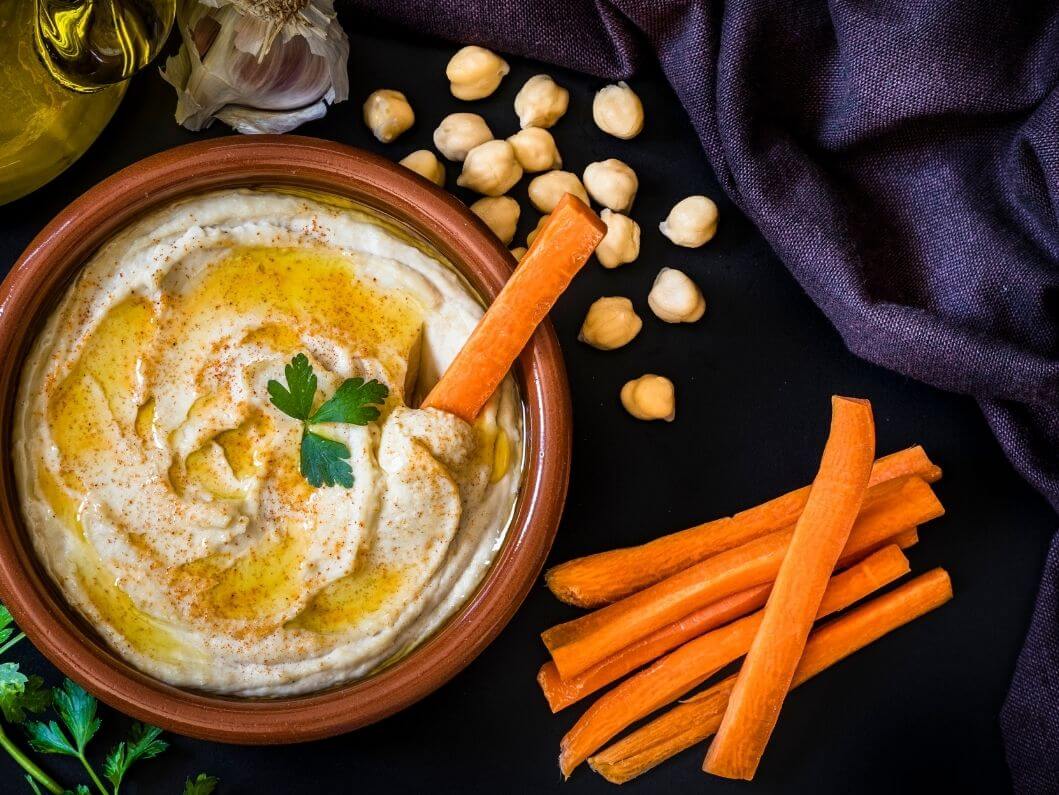
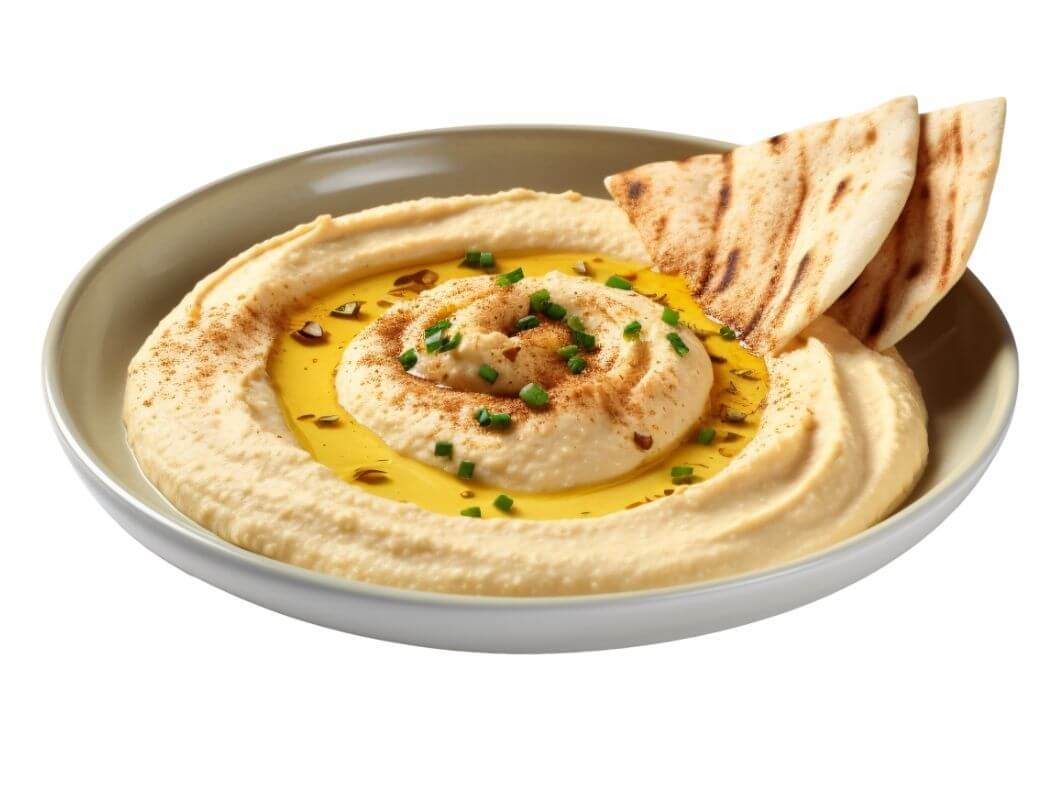
- Dips: Hummus spreads are commonly used as dips for vegetables, pita bread, crackers, and chips. They provide a healthy and flavorful alternative to traditional dips and are perfect for parties and gatherings.
- Sandwich Spreads: Hummus can be used as a spread on sandwiches, wraps, and bagels, adding creaminess and flavor while boosting the nutritional content. It pairs well with a variety of fillings, including vegetables, meats, and cheeses.
- Salad Dressings: Hummus can be thinned with water, lemon juice, or olive oil to create a creamy and healthy salad dressing. It adds a rich texture and flavor to salads without the need for heavy, calorie-laden dressings.
- Pasta Sauce: Hummus can be used as a base for creamy pasta sauces, providing a healthier alternative to traditional cream-based sauces. It can be flavored with herbs, spices, and additional ingredients to create a variety of pasta dishes.
- Baked Goods: Hummus can be incorporated into baked goods, such as muffins, breads, and savory pastries, to add moisture and protein. It provides a unique twist and enhances the nutritional value of baked products.
- Marinades: Hummus can be used as a marinade for meats, tofu, and vegetables, infusing them with flavor and tenderizing them. It works particularly well with Mediterranean and Middle Eastern-inspired dishes.
- Breakfast Bowls: Hummus can be added to breakfast bowls, paired with ingredients like eggs, avocado, and vegetables, for a hearty and nutritious start to the day. It adds creaminess and flavor, making breakfast more satisfying.

2000+
Manufacturers