
Herbal and Botanical Extracts Manufacturing
Herbal and Botanical Extracts
Your Nutraceuticals. Your Recipe. The Right Contract Manufacturer.
Herbal and botanical extracts are concentrated substances derived from various plants, herbs, and botanicals known for their medicinal, therapeutic, and nutritional properties. These extracts are integral to numerous industries, including pharmaceuticals, nutraceuticals, cosmetics, and food and beverages, due to their natural origin and potent bioactive compounds. Utilizing these extracts can enhance product efficacy, contribute to overall health and wellness, and align with consumer preferences for natural and organic ingredients.
-
01 Types of Herbal and Botanical Extracts:
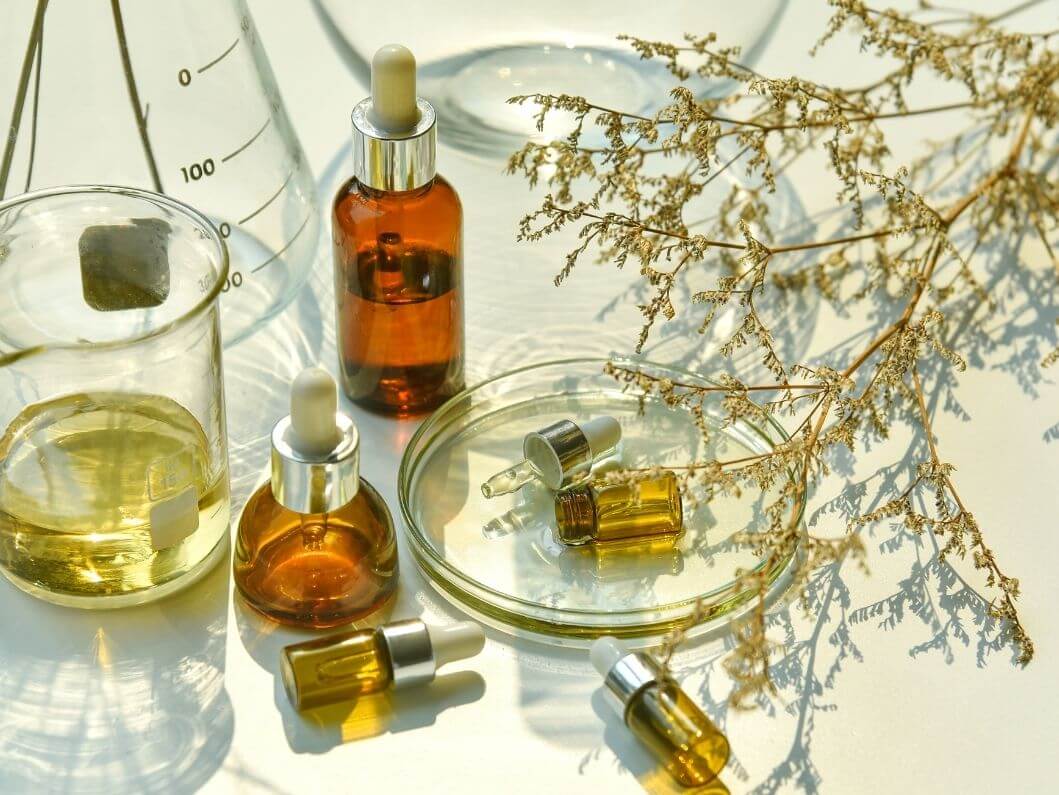
Tinctures:
- Alcohol-based solutions where herbs are soaked in alcohol or a mixture of alcohol and water.
- Highly concentrated and fast-acting due to the rapid absorption of alcohol into the bloodstream.
- Commonly used for medicinal purposes, such as stress relief or immune support.
Essential Oils:
- Volatile aromatic compounds extracted through steam distillation or cold pressing.
- Known for their therapeutic effects and are used in aromatherapy, cosmetics, and topical applications.
- Examples include lavender oil for relaxation and tea tree oil for its antiseptic properties.
Standardized Extracts:
- These extracts are processed to ensure a consistent amount of a specific active compound.
- Used in both dietary supplements and pharmaceuticals to provide precise dosages.
- Examples include ginseng standardized to ginsenosides and milk thistle standardized to silymarin.
Infusions:
- Water-based extracts made by steeping herbs in hot water, similar to making tea.
- Typically used for gentle, everyday health support such as herbal teas for digestion or relaxation.
- Examples include chamomile infusion for calming effects and peppermint infusion for digestive health.
Powdered Extracts:
- Dried plant materials ground into a fine powder, often encapsulated or used in formulations.
- Easy to incorporate into dietary supplements, smoothies, and food products.
- Examples include turmeric powder for anti-inflammatory benefits and ashwagandha powder for stress relief.
Liquid Extracts:
- Concentrated liquid forms that can be added to drinks or taken directly.
- Offer flexibility in dosage and are absorbed quickly by the body.
- Examples include liquid echinacea extract for immune support and valerian root extract for sleep aid.
Glycerites:
- Non-alcoholic extracts using glycerin as a solvent, suitable for children or those avoiding alcohol.
- Provide a sweet, palatable alternative to tinctures.
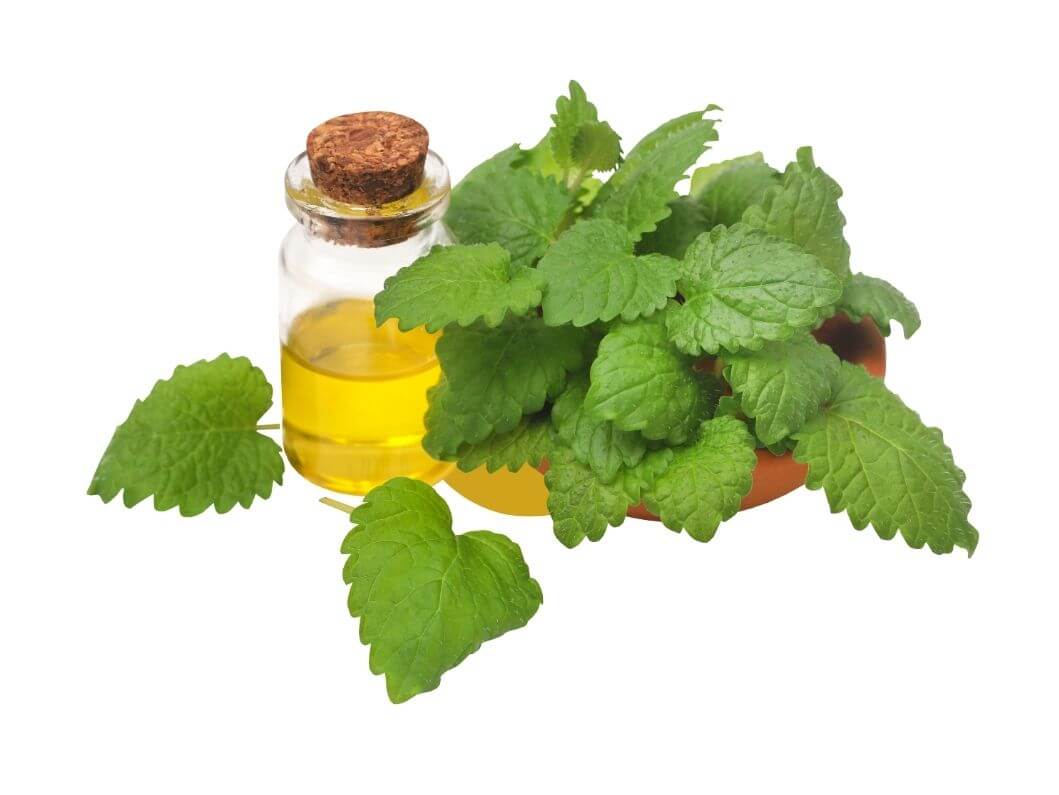
- Examples include glycerite of elderberry for immune support and lemon balm glycerite for anxiety relief.
-
02 Formulations of Herbal and Botanical Extracts:
Capsules and Tablets:
- Encapsulated powdered extracts or compressed tablets for easy consumption.
- Ensure precise dosages and are convenient for daily supplementation.
- Examples include ashwagandha capsules for stress management and garlic tablets for cardiovascular health.
Topical Creams and Ointments:
- Infused with herbal extracts for direct application to the skin.
- Used for skin conditions, pain relief, and anti-inflammatory purposes.
- Examples include arnica cream for bruises and aloe vera gel for soothing burns.
Syrups:
- Thick, sweetened liquid formulations often used for their soothing properties.
- Ideal for children or those with difficulty swallowing pills.
- Examples include elderberry syrup for immune support and licorice root syrup for cough relief.
Lozenges:
- Solid, dissolvable formulations that deliver herbal benefits while soothing the throat.
- Convenient for on-the-go use and targeted relief.
- Examples include slippery elm lozenges for sore throats and ginger lozenges for nausea.
Teas:
- Herbal teas or tisanes made from dried leaves, flowers, or roots.
- Offer a relaxing way to consume herbal benefits, often with a ritualistic aspect.
- Examples include hibiscus tea for blood pressure support and chamomile tea for relaxation.
Extracts in Food and Beverages:
- Incorporated into functional foods and beverages for added health benefits.
- Examples include green tea extract in energy drinks and turmeric extract in golden milk.
Inhalation Products:
- Essential oils and herbal extracts used in diffusers or inhalers.
- Provide respiratory benefits and mood enhancement through aromatherapy.
- Examples include eucalyptus oil for respiratory health and lavender oil for stress relief.

2000+
Manufacturers