

Your Nutraceuticals. Your Recipe. The Right Contract Manufacturer.
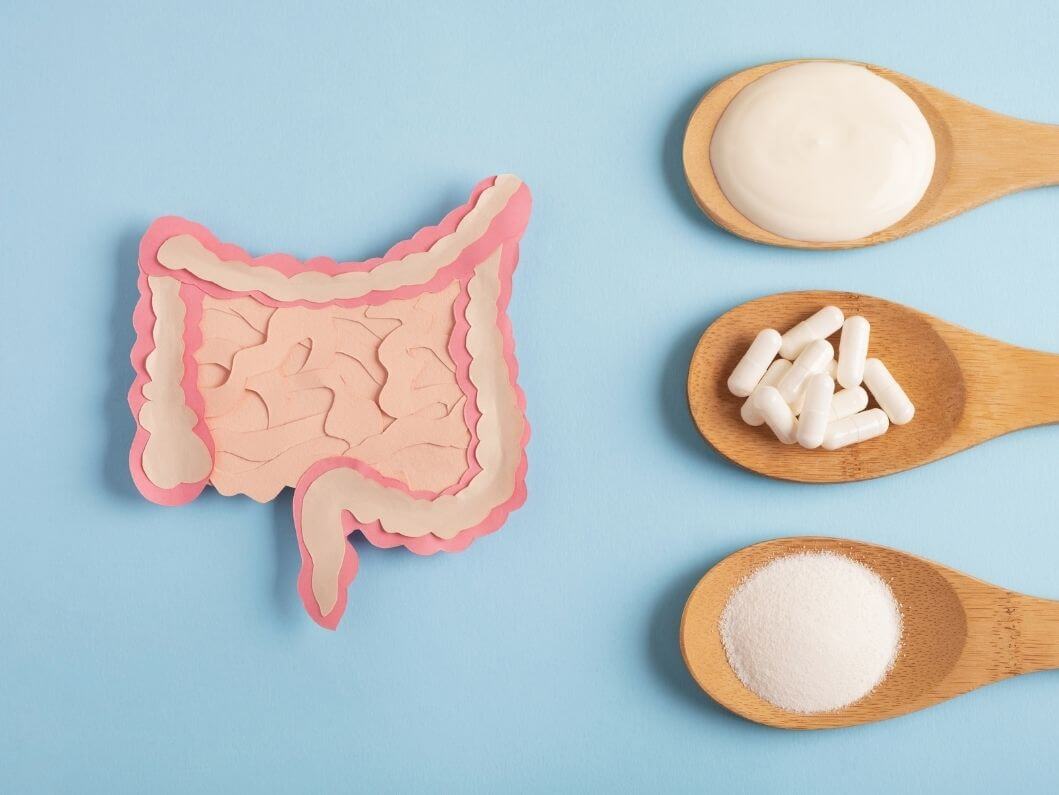
Probiotics and prebiotics are essential components for maintaining and enhancing gut health. They play a pivotal role in supporting the digestive system, boosting the immune response, and improving overall wellness. Probiotics are live beneficial bacteria that colonize the gut, while prebiotics are non-digestible fibers that serve as food for these bacteria. Together, they create a balanced and thriving microbiome, which is crucial for optimal health.
-
01 Importance of Probiotics and Prebiotics:
Probiotics and prebiotics are integral for:
- Digestive Health: They aid in digestion, help break down food, and prevent gastrointestinal issues such as bloating, constipation, and diarrhea. Probiotics can also help in the treatment of inflammatory bowel diseases (IBD) like Crohn’s disease and ulcerative colitis.
- Immune System Support: A healthy gut microbiome strengthens the immune system, protecting the body against pathogens. Probiotics enhance the production of antibodies and stimulate the activity of white blood cells.
- Mental Health: Emerging research suggests a strong connection between gut health and mental health, often referred to as the gut-brain axis. Probiotics can help reduce symptoms of anxiety, depression, and other mental health disorders.
- Nutrient Absorption: They enhance the absorption of essential nutrients, including vitamins and minerals, from the diet. Probiotics help in the synthesis of B vitamins and vitamin K.
- Skin Health: A balanced microbiome can also positively impact skin health, reducing issues like eczema, acne, and rosacea. Probiotics help maintain the skin’s natural barrier and hydration levels.
- Weight Management: Certain strains of probiotics can aid in weight loss and help prevent obesity by regulating the metabolism and reducing the absorption of dietary fats.
- Heart Health: Probiotics can help lower blood pressure and cholesterol levels, reducing the risk of heart disease.
- Allergy Prevention: Probiotics can help prevent and treat allergies, especially in children, by modulating the immune response.
-
02 Types of Probiotics:
- Lactobacillus: One of the most common probiotics, known for its role in producing lactase, the enzyme that breaks down lactose. It is found in yogurt and other fermented foods and helps with diarrhea and lactose intolerance.
- Bifidobacterium: Another prevalent type, often found in the intestines and stomach, helps with digestive issues and boosts the immune system. It is commonly found in dairy products and supports the prevention of constipation.
- Saccharomyces Boulardii: A type of yeast used to treat certain gastrointestinal disorders, such as antibiotic-associated diarrhea and Clostridium difficile infection.
- Streptococcus Thermophilus: Beneficial for lactose digestion and can help with symptoms of lactose intolerance. It is also used in the production of yogurt and cheese.
- Bacillus Coagulans: Known for its ability to survive harsh stomach acids and reach the intestines effectively. It helps with irritable bowel syndrome (IBS) and improves gut health.
-
03 Types of Prebiotics:
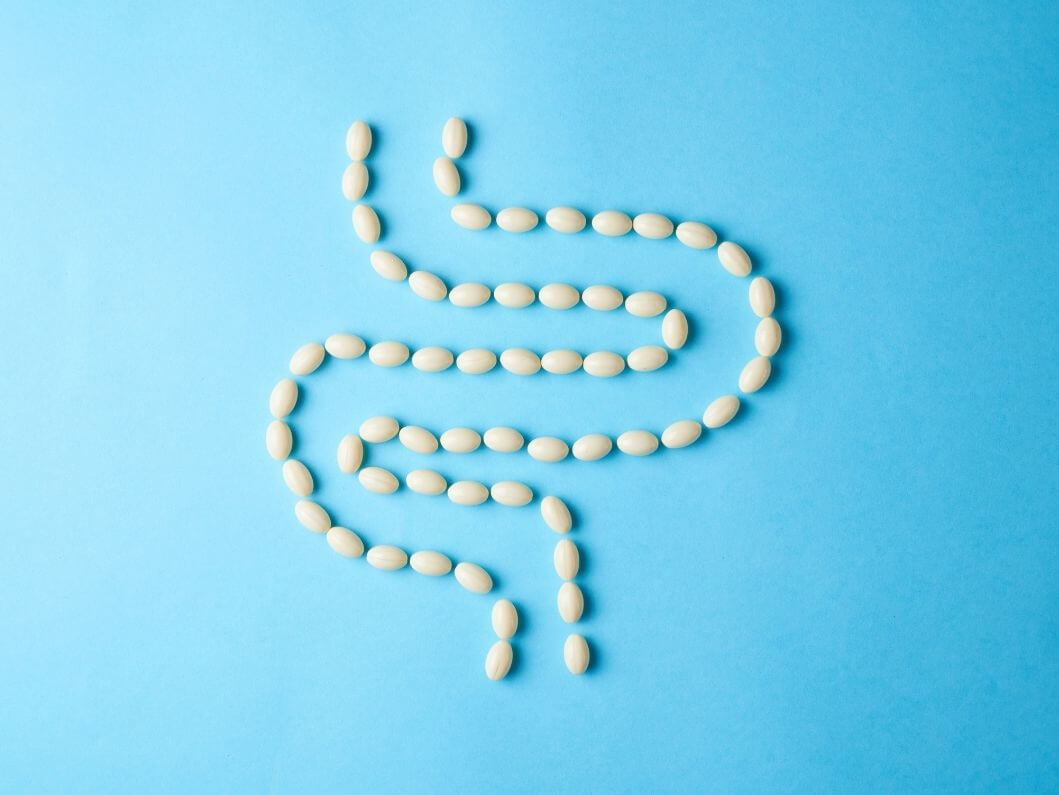
- Fructooligosaccharides (FOS): Found in fruits and vegetables like bananas, onions, garlic, asparagus, and chicory root, these prebiotics support the growth of beneficial bacteria.
- Galactooligosaccharides (GOS): Present in dairy products and certain root vegetables, GOS are particularly effective at promoting Bifidobacteria. They are also added to infant formula to mimic the effects of human milk.
- Inulin: A type of fiber found in plants such as chicory root, asparagus, leeks, garlic, and artichokes, inulin aids in digestion and helps maintain healthy blood sugar levels.
- Resistant Starch: Found in foods like green bananas, potatoes, grains, and legumes, resistant starch acts as a food source for beneficial gut bacteria and improves insulin sensitivity.
- Pectins: Found in apples, citrus fruits, and other fruits, pectins promote gut health and help with the digestion of carbohydrates.
- Beta-Glucans: Found in oats, barley, and mushrooms, beta-glucans enhance the immune system and lower cholesterol levels.
-
04 Formulations of Probiotics and Prebiotics:
Capsules and Tablets:
- Probiotics: Encapsulated live bacteria strains designed for targeted delivery to the intestines. They are often enteric-coated to survive stomach acid and ensure maximum efficacy.
- Prebiotics: Fiber supplements in capsule or tablet form for ease of consumption. These formulations ensure a precise dosage and are convenient for daily use.
Powders:
- Probiotics: Powdered forms can be mixed into drinks or foods, providing a versatile way to consume live bacteria. They are ideal for those who have difficulty swallowing pills.
- Prebiotics: Easily added to smoothies, cereals, or other foods to enhance fiber intake. Powders offer flexibility in dosage and can be easily incorporated into various recipes.
Liquid Formulations:
- Probiotics: Available as drinks or liquid supplements, often combined with other nutrients for added health benefits. Liquid probiotics can be flavored and are often used for children.
- Prebiotics: Liquid fiber supplements that can be mixed with water or other beverages for convenient consumption. These formulations are quickly absorbed and easy to take.
Food Products:
- Probiotics: Incorporated into fermented foods like yogurt, kefir, sauerkraut, kimchi, miso, and kombucha, providing a natural source of beneficial bacteria. These foods offer additional nutrients and flavors.
- Prebiotics: Found naturally in high-fiber foods such as whole grains, vegetables, fruits, and legumes. Consuming a diverse range of these foods ensures a varied intake of prebiotics.
Gummies:
- Probiotics: Chewable forms suitable for both adults and children, providing a tasty and convenient way to consume beneficial bacteria. Gummies are often fortified with vitamins and minerals.
- Prebiotics: Fiber-rich gummies that are easy to integrate into daily routines. These formulations are appealing to children and those who prefer not to take pills.
Combination Supplements:
- Synbiotics: These combine probiotics and prebiotics in one supplement to enhance the survival and colonization of beneficial bacteria in the gut. Synbiotics offer the benefits of both components in a single product, ensuring comprehensive gut health support.



2000+
Manufacturers