

Your Pasta. Your Recipe. The Right Contract Manufacturer.
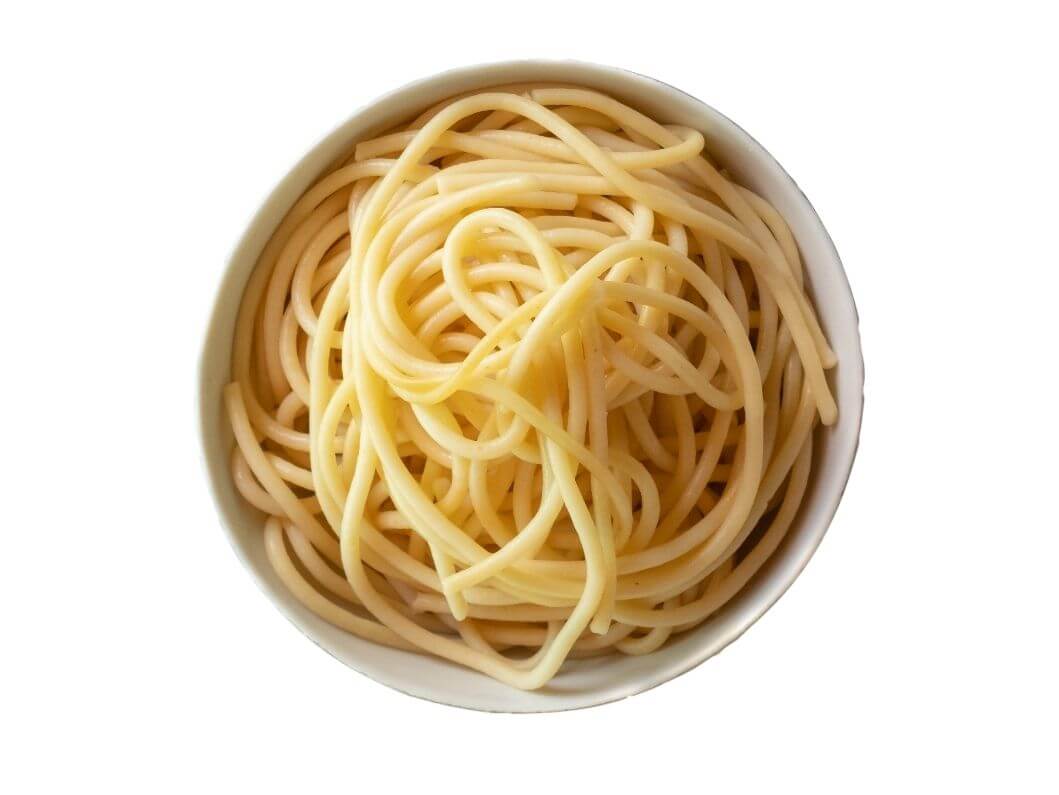
Bucatini is a distinctive Italian pasta celebrated for its unique shape: long, hollow tubes resembling spaghetti but with a central hole. This hollow core allows Bucatini to capture and hold sauces more effectively, enhancing the overall flavor and texture of dishes. Its versatility makes it suitable for a variety of culinary applications, from traditional Italian recipes to modern innovations.
-
01 Characteristics of Bucatini Pasta:
- Shape and Texture: Bucatini’s tube shape, with its central hole, provides a unique texture that stands up well to robust sauces and ingredients. It is thicker than spaghetti, offering a satisfying chew that makes it ideal for hearty meals.
- Cooking: Bucatini should be cooked al dente, which means it retains a slight firmness when bitten. This texture prevents the pasta from becoming mushy, allowing it to maintain its structure and complement sauces.
-
02 Types of Bucatini Pasta:
- Traditional Bucatini: Made from durum wheat semolina, this version is the most common and offers a firm texture and nutty flavor. It’s ideal for classic Italian dishes such as Amatriciana, Carbonara, and Pomodoro.
- Whole Wheat Bucatini: Crafted from whole grain wheat, this type of Bucatini retains more fiber and nutrients compared to its refined counterparts. It has a slightly denser texture and a richer, nuttier flavor, making it a healthier alternative.
- Gluten-Free Bucatini: Suitable for those with gluten sensitivities or celiac disease, this version is made from gluten-free flours such as rice, corn, or a blend of alternative grains. It mimics the traditional texture and flavor of Bucatini while being appropriate for gluten-free diets.
- Flavored Bucatini: These variations incorporate additional flavors such as spinach, tomato, or squid ink. They add a burst of color and a hint of flavor, making them a creative choice for diverse pasta dishes and visual appeal.
- Organic Bucatini: Produced using organically grown durum wheat without synthetic pesticides or fertilizers. This version appeals to consumers seeking natural and sustainably produced food products.
- Artisanal Bucatini: Crafted using traditional methods with attention to quality and texture. Artisanal Bucatini often has a rougher surface, which helps sauces adhere better. It is typically made in small batches and may feature unique ingredients or methods.
- Fortified Bucatini: Enhanced with added vitamins and minerals, such as iron or folic acid, to boost nutritional content. This version caters
-
03 Formulations of Bucatini Pasta:
- Dried Bucatini: The most widely available form, dried Bucatini is shelf-stable and perfect for long-term storage. It needs to be boiled before consumption, making it a convenient option for home cooking.
- Fresh Bucatini: Made from fresh dough, this version offers a softer texture and a quicker cooking time. Fresh Bucatini is often found in specialty stores or Italian markets and provides a more delicate pasta experience.
- Instant Bucatini: Pre-cooked and dehydrated, instant Bucatini is designed for rapid preparation. It can be ready in just a few minutes by adding hot water, making it a convenient choice for quick meals.
- Frozen Bucatini: This version is pre-cooked and frozen for convenience. It is ideal for those who want the freshness of homemade pasta with the ease of quick preparation. Frozen Bucatini retains its texture and flavor well after reheating.
- Whole Grain Bucatini: Made from whole grain flours, this formulation is richer in nutrients and fiber compared to standard Bucatini. It is a healthier option that still provides the characteristic texture and flavor.
-
04 Culinary Uses:
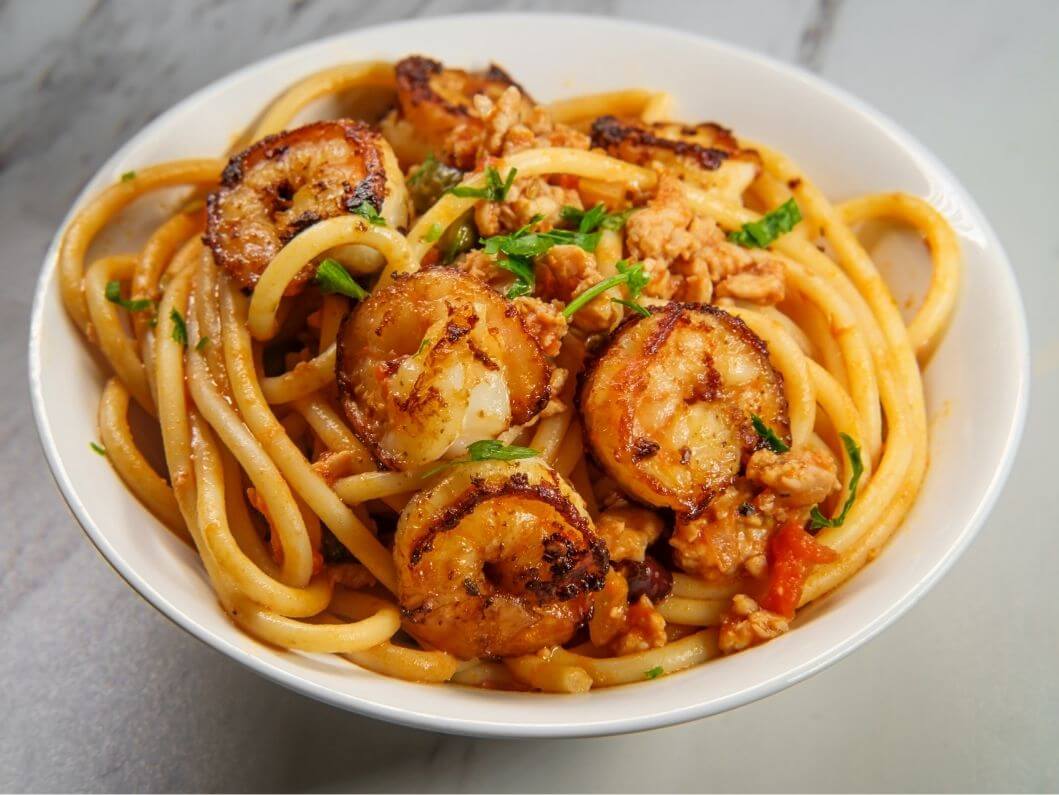
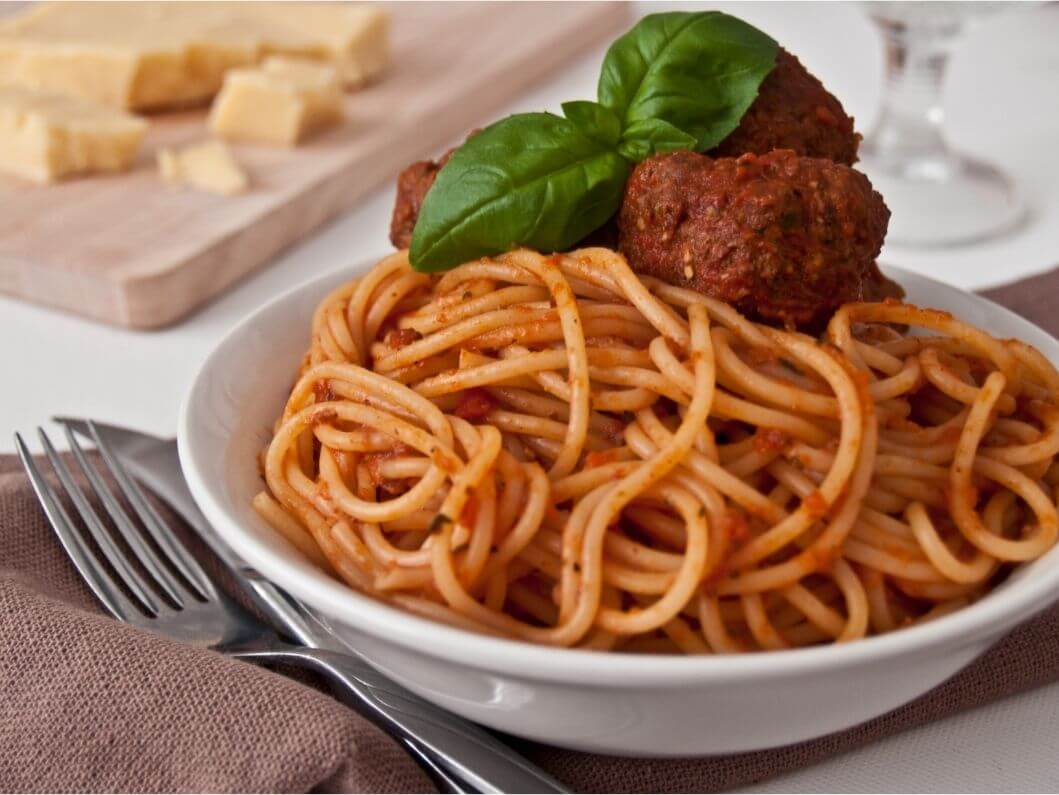
- Classic Sauces: Bucatini is perfect for hearty sauces like Amatriciana, Carbonara, and Bolognese. The hollow center captures and holds the sauce, enhancing each bite.
- Baked Dishes: Its robust texture makes Bucatini an excellent choice for baked pasta dishes such as casseroles and pasta bakes. It holds up well to baking without becoming too soft.
- Pasta Salads: Bucatini can be used in pasta salads where its unique shape adds an interesting twist. It pairs well with a variety of ingredients, from vegetables to cheeses.
- Soups and Stews: The pasta’s shape and texture make it suitable for soups and stews, where it can absorb flavors and add substance to the dish.

2000+
Manufacturers