

Your Herbs and Spices. Your Recipe. The Right Contract Manufacturer.
Dried herbs are a staple in culinary practices around the world, valued for their ability to add depth and complexity to dishes. By drying herbs, their flavor and aroma are preserved for extended periods, making them a convenient option for enhancing the taste of various foods. The drying process also concentrates their essential oils and beneficial compounds, offering a powerful addition to any kitchen.
-
01 Types of Dried Herbs:
1. Single Herbs:
- Basil: Known for its sweet, slightly spicy flavor with hints of mint and anise. It’s often used in Italian cuisine, particularly in tomato-based dishes, pesto, and salads. Basil is also known for its potential health benefits, including anti-inflammatory and antibacterial properties.
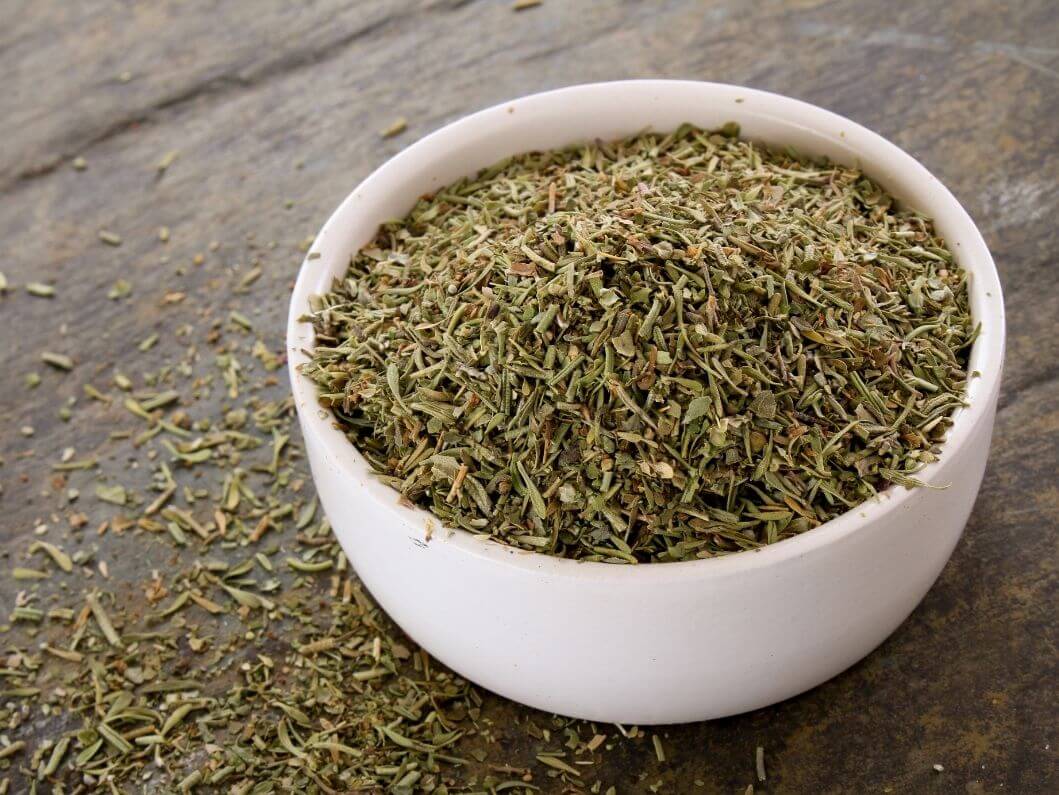
- Thyme: Offers a subtle earthy and minty flavor, making it ideal for seasoning meats, stews, and soups. Thyme is also rich in antioxidants and has been used traditionally to support respiratory health.
- Rosemary: Features a strong, pine-like flavor that can enhance roasted meats, vegetables, and bread. Rosemary contains compounds that may aid digestion and improve cognitive function.
- Oregano: Known for its bold, slightly bitter flavor with hints of warmth, oregano is frequently used in Mediterranean and Mexican dishes. It’s also renowned for its antioxidant and antimicrobial properties.
- Parsley: Adds a fresh, mildly peppery flavor, commonly used as a garnish or in seasoning blends. Parsley is high in vitamins A, C, and K, and can support overall health with its high antioxidant content.
2. Blends:
- Herbs de Provence: This classic French blend typically includes thyme, rosemary, basil, and lavender, and is used to season meats, vegetables, and stews. It’s known for its aromatic profile and ability to bring a taste of Provence to any dish.
- Italian Seasoning: Combines basil, oregano, thyme, rosemary, and sometimes marjoram. It is a versatile blend ideal for pasta sauces, pizza, and Mediterranean dishes.
- Ranch Seasoning: Includes parsley, dill, chives, garlic, and onion. It’s commonly used in dressings, dips, and as a seasoning for roasted vegetables and meats.
3. Specialty Blends:
- Mexican Seasoning: A vibrant mix of cumin, chili powder, oregano, garlic, and paprika, tailored for dishes like tacos, enchiladas, and other Mexican cuisine.
- Curry Powder: A complex blend of spices such as turmeric, cumin, coriander, and fenugreek. It is essential for making curries and provides a warm, spicy flavor profile.
- Garam Masala: An Indian spice blend that includes cardamom, cinnamon, cloves, cumin, and black pepper. It adds warmth and depth to Indian dishes and is often used in curries, soups, and rice dishes.
-
02 Formulations of Dried Herbs:
1. Whole Leaves:
- Characteristics: Retain their full flavor and aroma until they are crushed or chopped. Ideal for slow-cooked dishes where the herbs can infuse their flavor over time.
- Usage: Perfect for stews, soups, and marinades where a gradual release of flavor is desired. Whole leaves are also great for infusing liquids.
2. Crushed:
- Characteristics: The herbs are crushed into smaller pieces, which increases their surface area and allows for a more immediate release of flavor.
- Usage: Often used in rubs, seasoning blends, and to add a burst of flavor to dishes. Crushed herbs are also effective in marinades and as a topping for pizzas and casseroles.
3. Ground:
- Characteristics: Pulverized into a fine powder, ground herbs are highly concentrated and mix easily into dry ingredients.
- Usage: Ideal for seasoning blends, spice mixes, and dishes requiring a smooth texture. Ground herbs are commonly used in baking and for creating uniform seasoning in sauces and soups.
4. Flakes:
- Characteristics: Herbs are chopped into irregular, small pieces. This format provides a balance between whole leaves and ground herbs.
- Usage: Flakes are often used in spice blends or as a finishing touch for dishes. They provide texture and visual appeal in recipes like salads and pasta dishes.
5. Infused Oils:
- Characteristics: Dried herbs are steeped in oils, infusing them with flavor. These oils can be used in cooking or as a finishing touch.
- Usage: Ideal for making dressings, marinades, and for drizzling over dishes. Infused oils offer a convenient way to add herb flavor to dishes without the texture of dried herbs.
-
03 Benefits of Dried Herbs:
- Extended Shelf Life: Dried herbs can last for months or even years if stored properly, maintaining their flavor and potency.
- Convenience: They require no refrigeration and are easy to store, making them a practical choice for any kitchen.
- Consistent Flavor: Dried herbs provide a reliable and consistent flavor profile, which is essential for creating balanced recipes.
- Nutritional Benefits: Many dried herbs are rich in vitamins, minerals, and antioxidants. For example, oregano is high in antioxidants, and rosemary has compounds that may support digestion and cognitive function.
- Versatility: Dried herbs can be used in a variety of culinary applications, from seasoning to infusing oils, making them a versatile ingredient for enhancing the flavor and nutritional value of dishes.


2000+
Manufacturers