

Your Herbs and Spices. Your Recipe. The Right Contract Manufacturer.
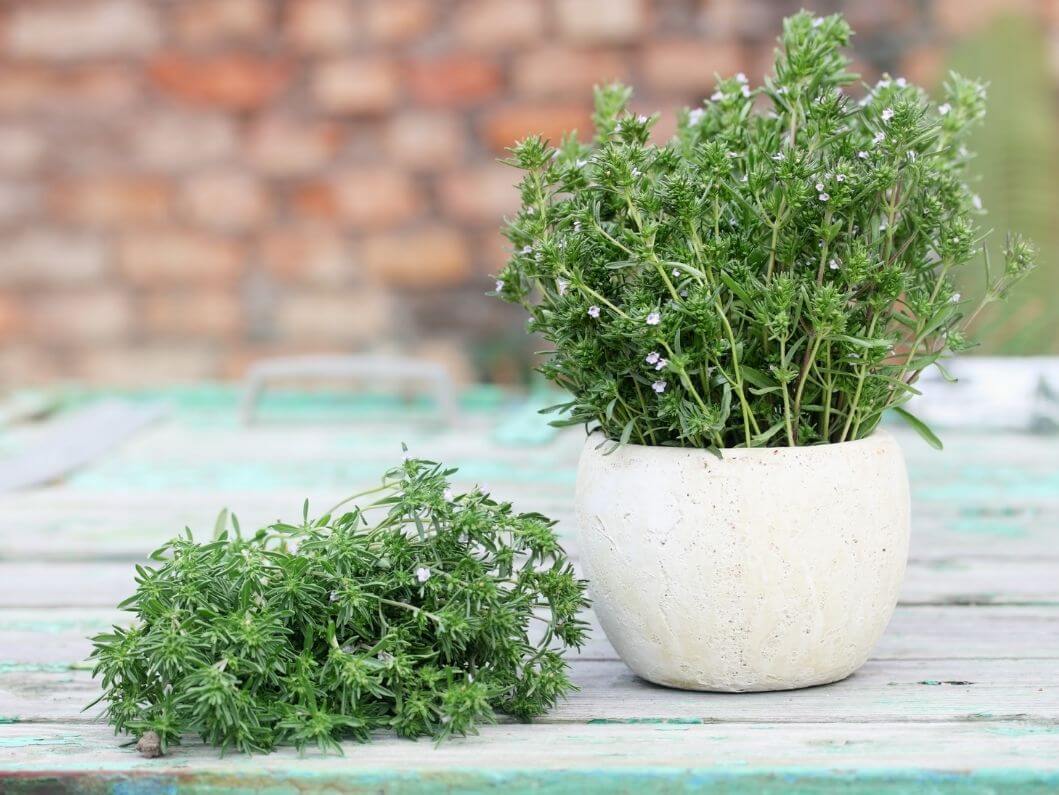
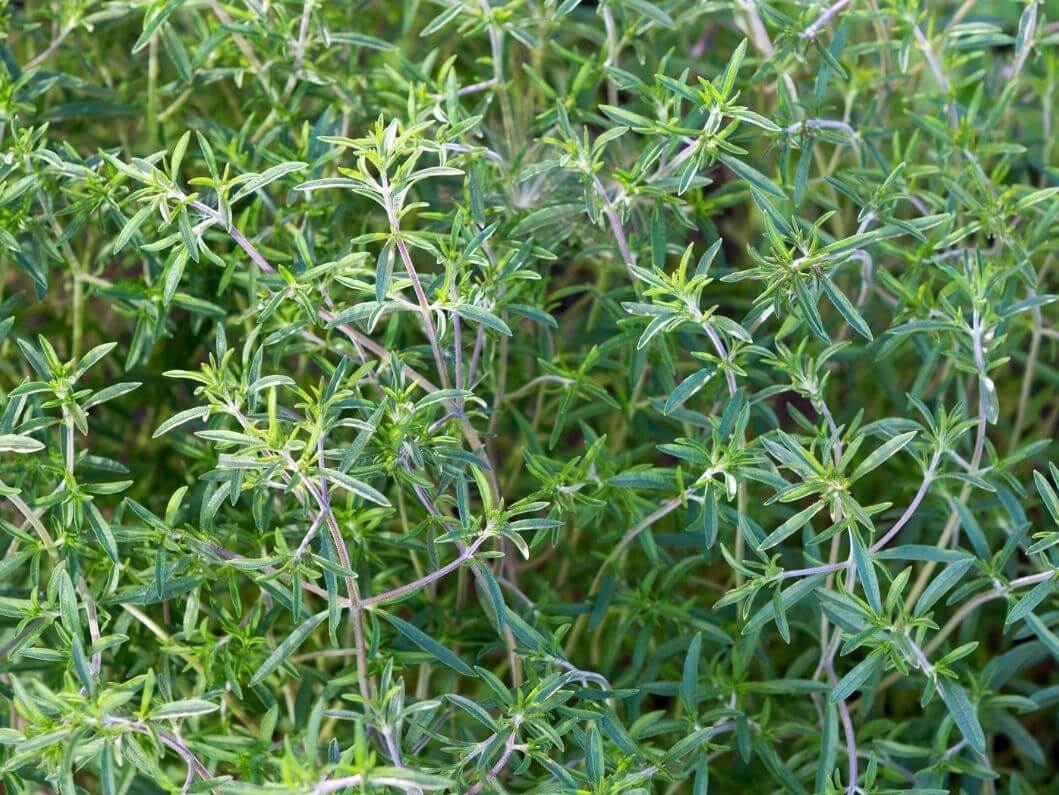
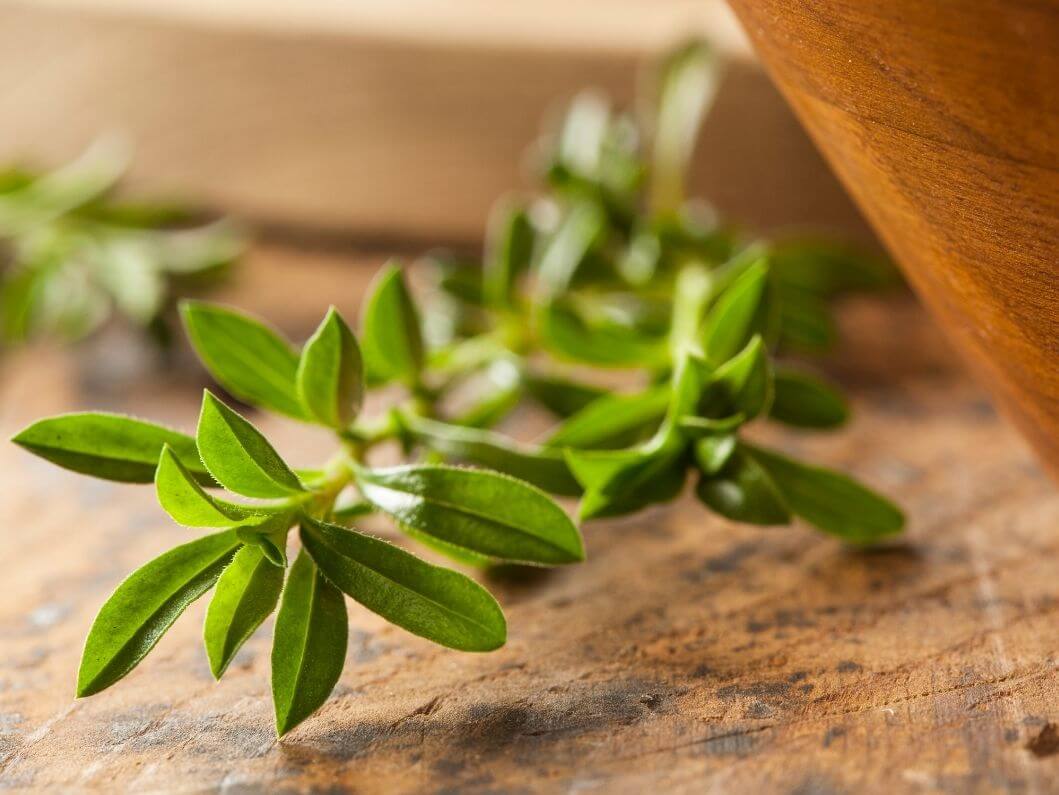
Savory herbs are a diverse group of plants valued for their aromatic leaves and stems, which enhance the flavor of a wide variety of dishes. These herbs are essential in both professional kitchens and home cooking, providing a natural depth and complexity to savory recipes. By incorporating savory herbs, you can transform ordinary meals into gourmet experiences, while also gaining health benefits associated with their rich nutrient profiles.
-
01 Types of Savory Herbs:
- Basil: Known for its sweet and slightly spicy flavor, basil is commonly used in Italian and Mediterranean cuisines. It pairs well with tomatoes, garlic, and olive oil, making it a staple in pesto and marinara sauces.
- Rosemary: With its robust, pine-like aroma, rosemary is perfect for roasting meats and vegetables. Its strong flavor holds up well to high-heat cooking, and it can be used to infuse oils and vinegars.
- Thyme: Thyme offers a subtle, earthy taste with hints of mint and lemon. It’s versatile enough to be used in soups, stews, and marinades. Thyme’s delicate flavor also makes it a favorite for seasoning poultry and fish.
- Oregano: Oregano has a warm, slightly bitter flavor, commonly associated with Greek and Italian dishes. It complements tomatoes, cheese, and grilled meats, making it a key ingredient in dishes like pizza and pasta.
- Mint: Known for its refreshing and cooling properties, mint is often used in Middle Eastern and Asian cuisine. It adds a burst of flavor to salads, beverages, and sauces, and can also be used to make herbal teas.
- Sage: Sage has a strong, savory flavor with earthy and peppery notes. It is often used in stuffing, sausage, and as a seasoning for rich meats like pork and poultry.
-
02 Formulations of Savory Herbs:
- Fresh Herbs: Typically used in cooking to impart a vibrant, natural flavor. Fresh herbs can be chopped, torn, or used whole, and are often added towards the end of cooking to preserve their delicate flavors.
- Dried Herbs: Concentrated and more potent than their fresh counterparts, dried herbs are ideal for long-cooking recipes. They should be added earlier in the cooking process to release their full flavor.
- Herb Blends: Pre-mixed combinations of various herbs designed for specific types of cuisine or dishes. These blends offer convenience and consistency in flavor. Examples include Italian seasoning, Herbes de Provence, and Chinese Five Spice.
- Herb Oils: Infused oils that capture the essence of herbs for use in dressings, marinades, or as finishing oils. They provide a rich, aromatic flavor without the texture of whole herbs.
- Herb Pastes: Concentrated forms of herbs mixed with oils, salts, or other ingredients to create a spreadable paste. These are used for marinating meats, flavoring sauces, or as a base for soups.
- Herb Powders: Ground herbs that offer convenience and ease of incorporation into recipes. Herb powders are perfect for seasoning rubs, sauces, and soups where a fine texture is desired.


2000+
Manufacturers