

Your Herbs and Spices. Your Recipe. The Right Contract Manufacturer.
Floral-flavored herbs and spices bring an exquisite touch to culinary creations, infusing dishes with delicate, aromatic notes that elevate their flavor profile. These ingredients are prized for their ability to enhance both sweet and savory dishes, offering a layer of complexity that enhances the overall dining experience. Whether used in gourmet recipes or everyday meals, floral herbs and spices provide a touch of elegance and sophistication.
-
01 Types of Floral-Flavored Herbs and Spices:
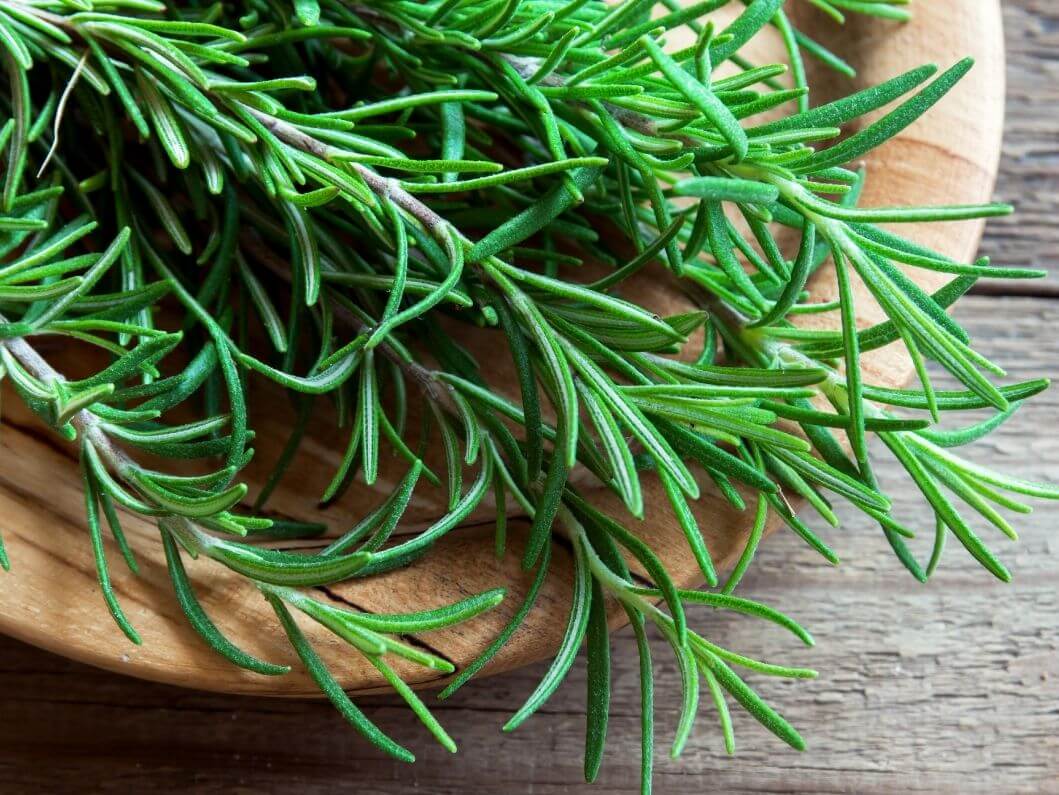
- Rosemary: This versatile herb has a distinct piney, floral aroma with subtle hints of citrus. It’s commonly used in Mediterranean and Italian dishes, adding depth to roasted meats, vegetables, and potatoes. Fresh rosemary is ideal for marinades and grilling, while dried rosemary works well in soups and stews.
- Lavender: Lavender’s sweet, floral notes and mild herbal undertones make it suitable for both culinary and therapeutic uses. In cooking, lavender can be used in baked goods like shortbread and cakes, as well as in savory dishes such as herb-crusted lamb. Its essential oils are also popular in flavoring syrups and beverages, and it pairs beautifully with fruits and chocolate.
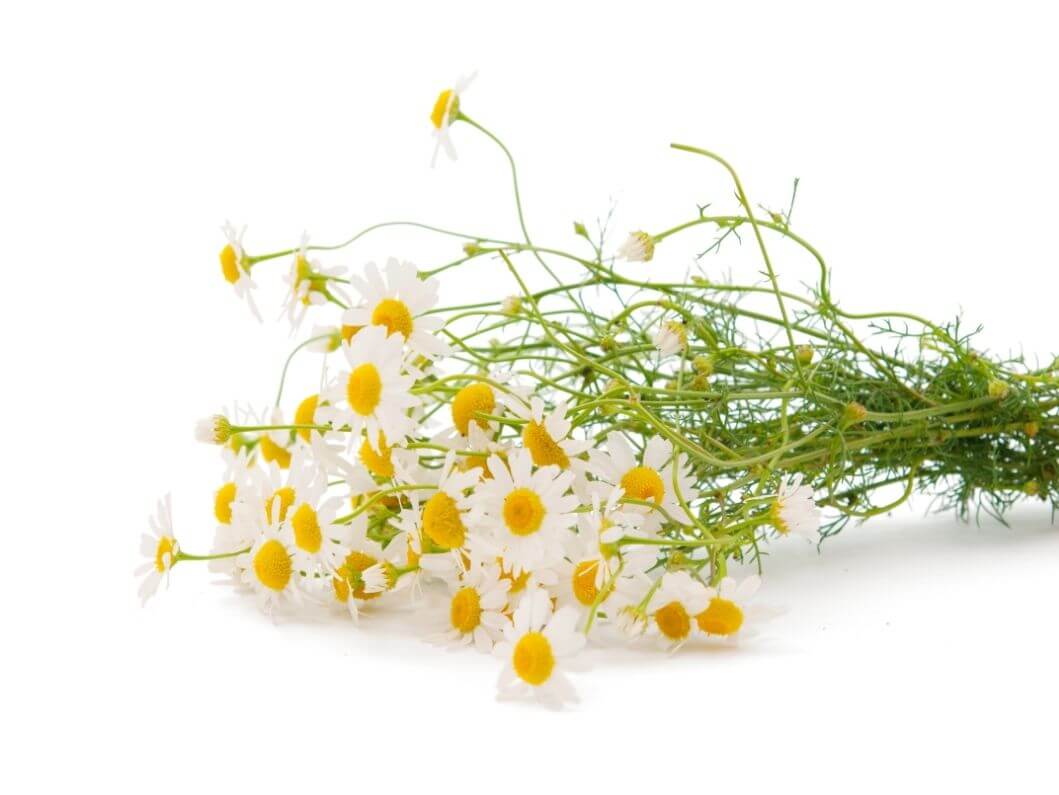
- Chamomile: Recognized for its calming properties, chamomile also imparts a gentle floral sweetness to culinary creations. Its subtle flavor enhances teas, infusions, and desserts like custards and ice creams. Chamomile can also be used in salad dressings and to flavor rice or grain dishes.
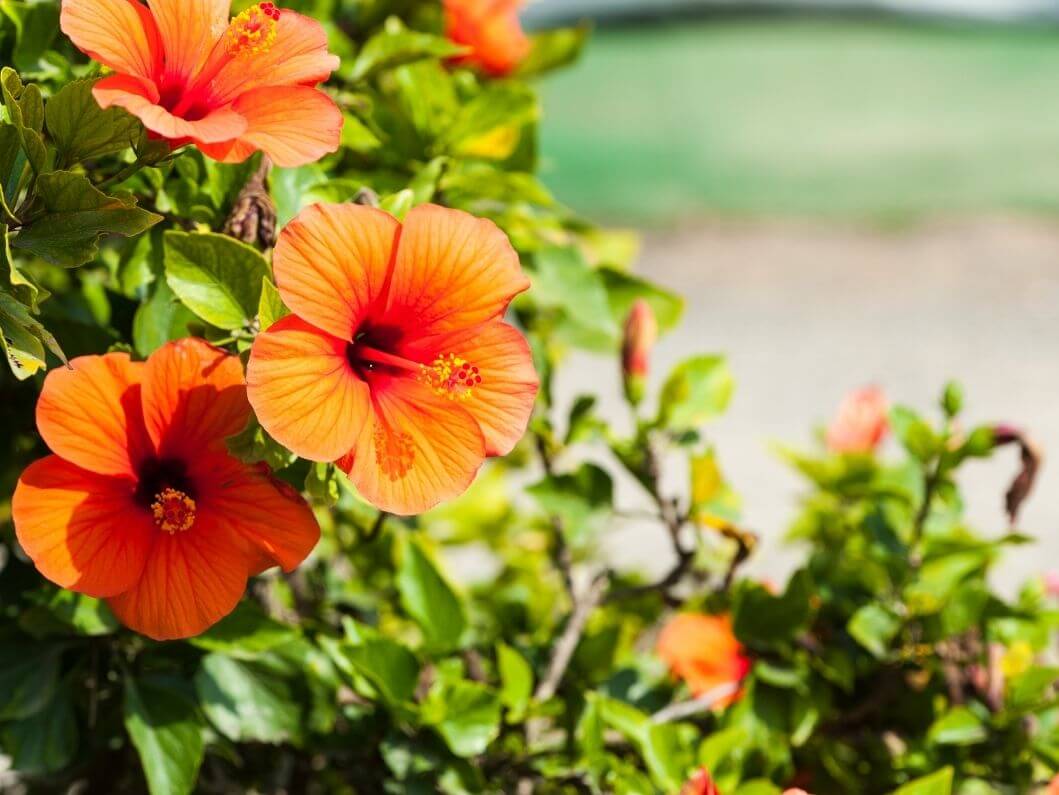
- Hibiscus: Known for its vibrant red color and tangy, slightly sweet flavor, hibiscus is often used in teas, jams, and sauces. It adds a bright, refreshing quality to beverages and dishes, and its tartness can balance out sweetness in desserts and fruit compotes. Hibiscus petals are also used in culinary decorations and garnishes.
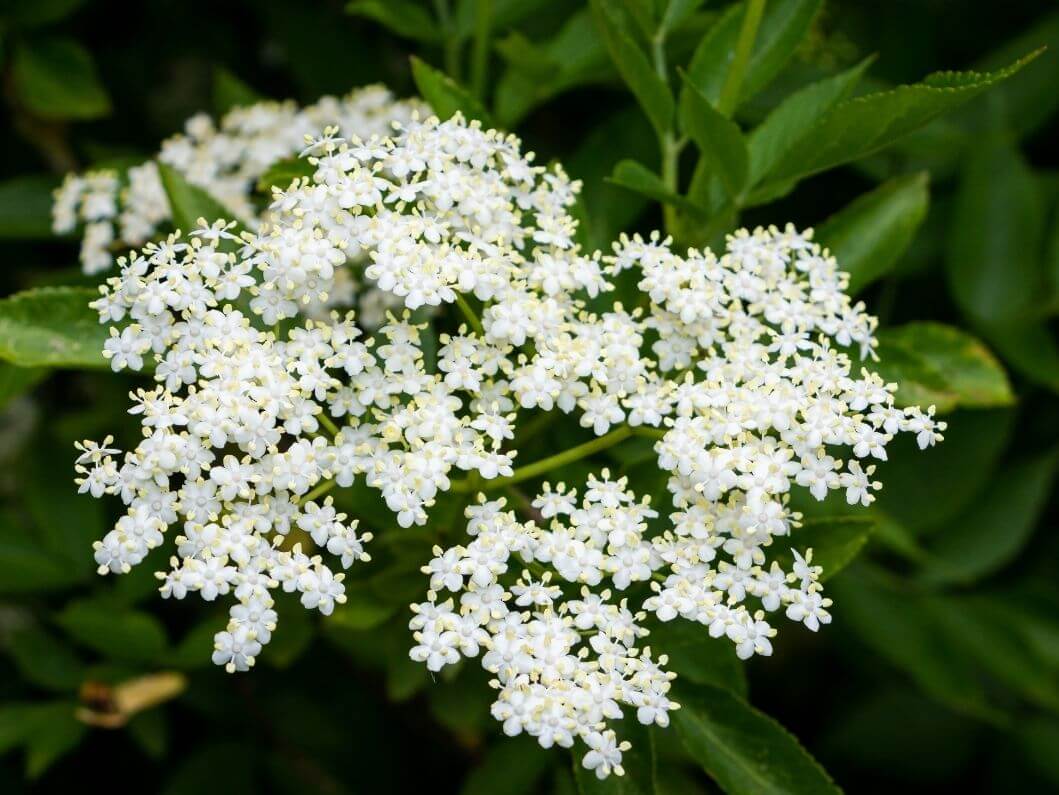
- Elderflower: Elderflower offers a sweet, honey-like taste with hints of citrus and is often used in syrups, liqueurs, and cordials. It’s also an excellent addition to desserts, such as sorbets and pastries, and can be used to flavor vinegars or to create aromatic ice cubes.
-
02 Formulations of Floral-Flavored Herbs and Spices:
- Dried: Available in various forms, such as whole buds or crushed, dried floral herbs and spices are ideal for long-term storage and use in a range of recipes. They maintain their flavor potency for months and are perfect for seasoning and infusing dishes during cooking.
- Ground: Ground floral herbs and spices provide a more concentrated flavor, suitable for blending into spice mixes or directly incorporating into recipes. They dissolve easily into dishes, offering a consistent and intense flavor.
- Extracts: Floral extracts deliver a potent burst of flavor and are used to flavor baked goods, confections, and beverages. They offer a convenient way to achieve a consistent floral taste without the need for fresh herbs.
- Teas: Floral teas, made from herbs like chamomile and hibiscus, are used for making aromatic infusions or as a base for culinary creations. These teas add a subtle floral note to dishes and can be used in both sweet and savory recipes.
- Infusions: Infusing floral herbs in liquids such as oils, vinegars, or syrups allows their flavors to be incorporated into a variety of culinary applications. Infused oils can enhance dressings and marinades, while floral vinegars add a unique twist to salads and sauces.
- Whole: Whole floral herbs, such as dried lavender buds or hibiscus flowers, are used for their visual appeal and intense flavor. They can be added to dishes, steeped in liquids, or used as a garnish to impart a sophisticated touch to presentations.

2000+
Manufacturers