


Pouching Solutions that Create Competitive Advantage
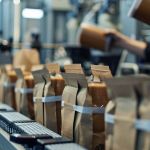
Pouching begins with the preparation of multilayered materials designed to ensure durability, barrier protection, and suitability for printing. These materials are fed into a pouch-making machine using rollers. In the machine, the material is cut and folded into the pouch’s intended shape. The edges are then sealed—typically through heat, pressure, or adhesives—to incorporate features like gussets for expansion or spouts for pouring.
After forming, the pouch may be filled with the product either in the same machine or at a separate station, depending on the nature of the contents. This could involve liquids, granular items, or solids. The final step is sealing the pouch, often after removing air to create a vacuum seal, enhancing preservation and protection of the contents. This automated process allows for efficient, high-volume production while maintaining consistent quality across products.
-
01 Pouching by Processing Type
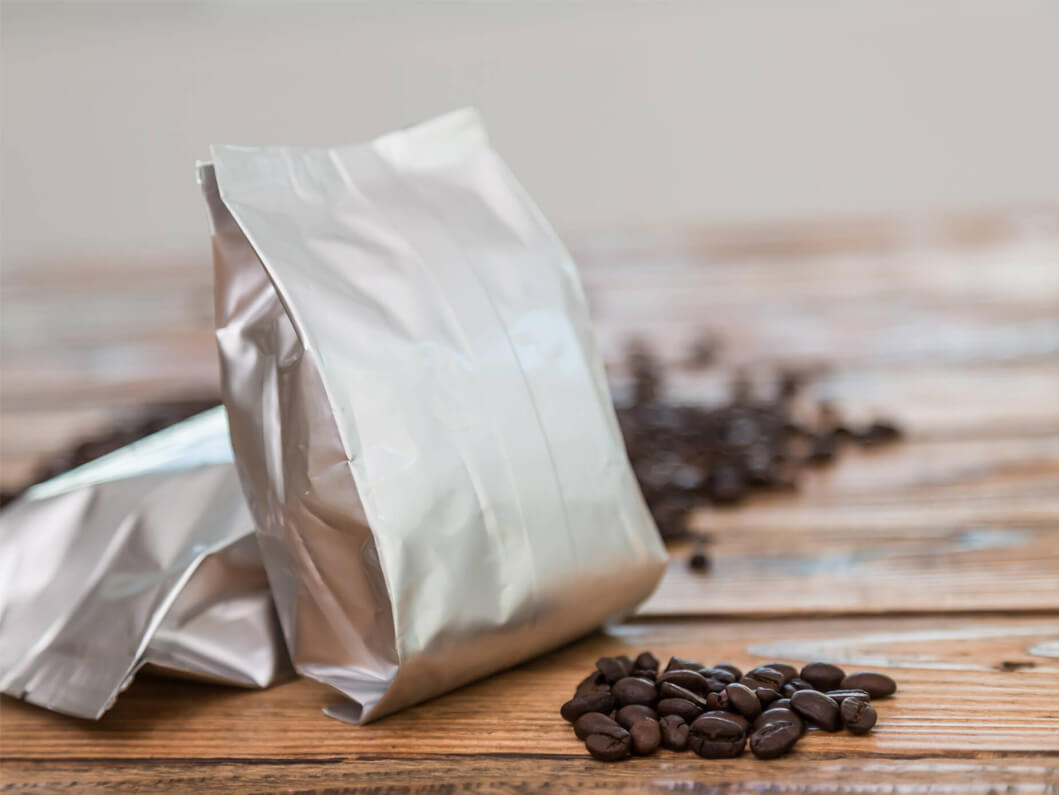
There are different types of pouching methods, each suited to specific applications and packaging needs:
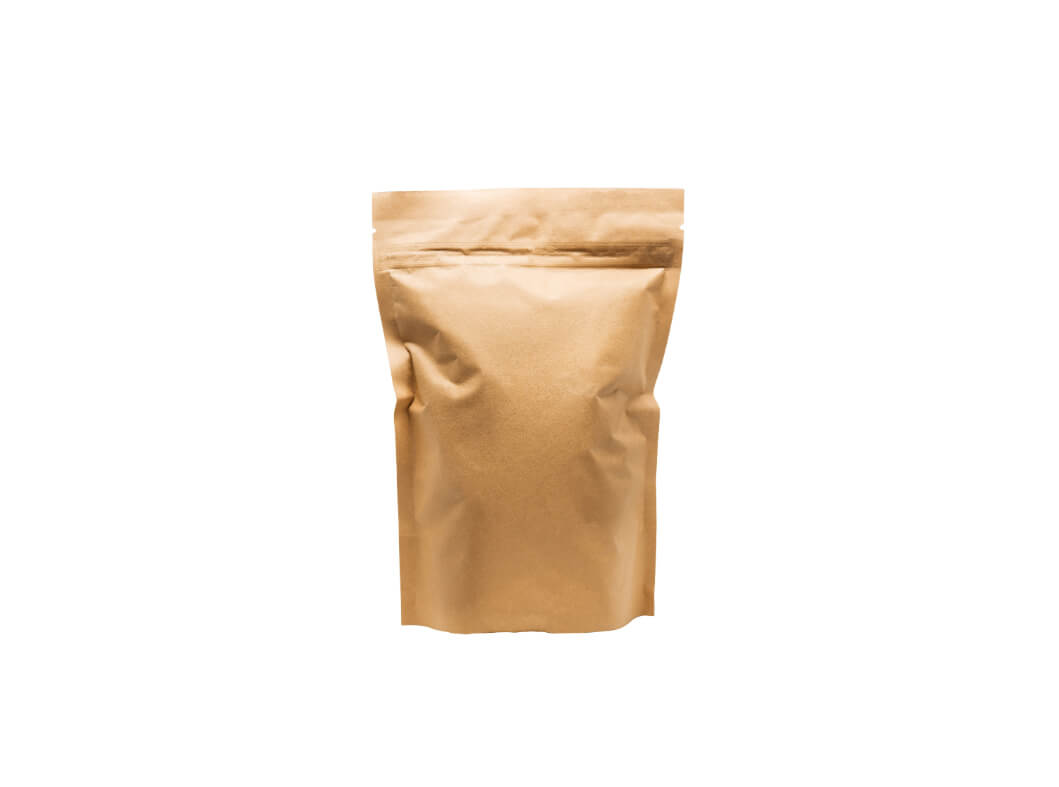
- Stand-up pouches: These are designed to stand upright on shelves for better visibility and ease of use. They may include features like zip locks, spouts, or special barriers for light and air.
- Flat pouches: Often used for single-use applications, these are simple, flat packages ideal for snacks, medical kits, or sample packs.
- Retort pouches: Used for food that needs to be sterilized or cooked within the pouch. These are made from materials that can withstand high temperatures.
- Spouted pouches: These include a resealable spout, typically used for liquids or granulated products like drinks or detergents.
-
02 Benefits of Pouching in Processing
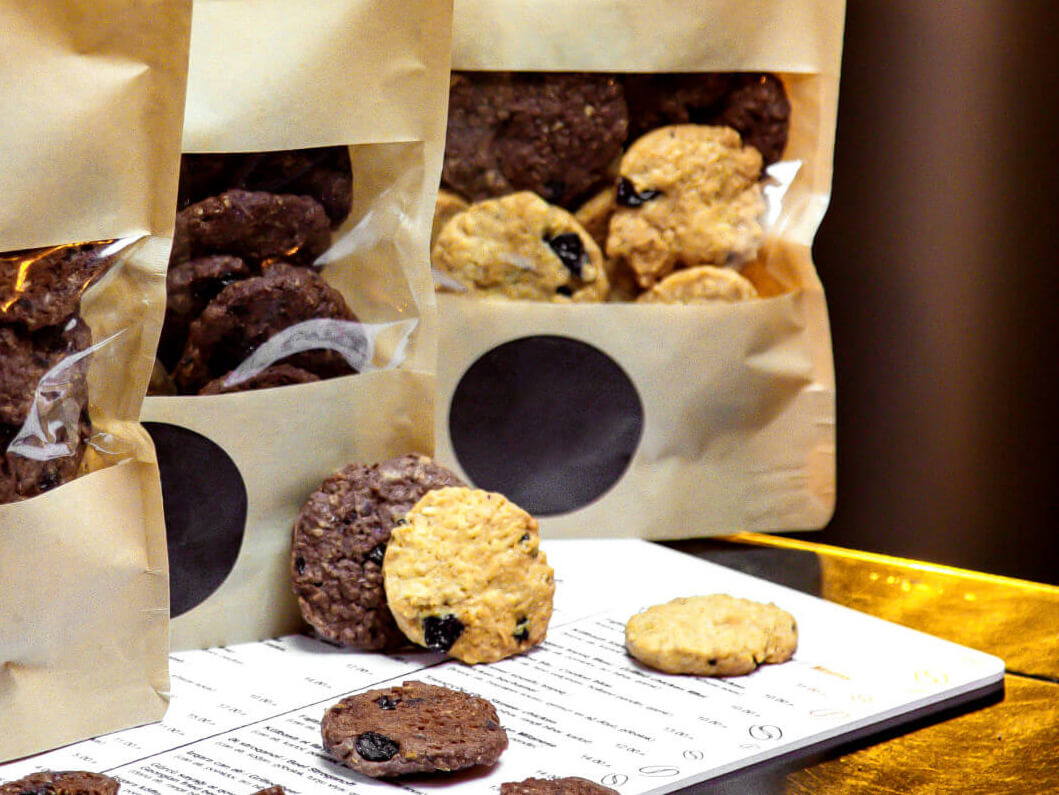
- Efficiency: Automated pouching machines can process large volumes quickly, minimizing labor costs and enhancing productivity.
- Flexibility: The technology can handle a variety of materials and products, making it suitable for different industries from food to pharmaceuticals.
- Sustainability: Pouches typically use less material than traditional rigid packaging, reducing waste and the carbon footprint associated with transport due to their lighter weight.
- Preservation: Airtight seals and customized barrier properties help maintain product quality, extend shelf life, and protect sensitive contents.
- Consumer Convenience: Pouches are easy to store, transport, and use, often featuring resealable closures and designs that support easy dispensing.
-
03 Capabilities: Examples of Pouching Applications
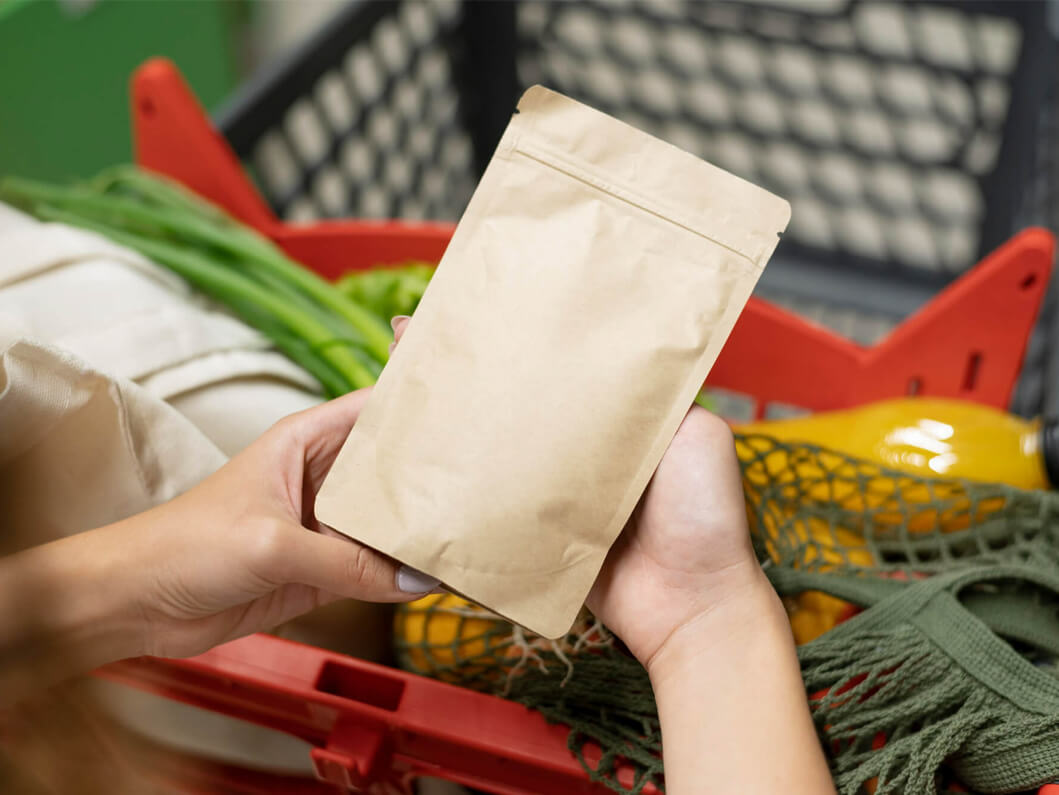
- Food Industry: Pouches are used for everything from snacks, sauces, and drinks to pre-cooked meals. They are valued for their light weight, reduced packaging material, and the convenience they offer to consumers.
- Pharmaceuticals: Pouches provide a sterile environment for medical products, including powders, pills, and medical instruments.
- Agriculture: Seeds and fertilizers are often packaged in large pouches that protect their contents from moisture and pests.
- Consumer Goods: Cleaning products, personal care items like shampoos and soaps, and many other consumer goods are packaged in pouches for ease of use and distribution.
CoPack Connect: Your Gateway to Seamless Pouching Solutions
CoPack Connect can connect brands with contract manufacturers and packagers that offer pouching services. We make it easy for businesses to find the right manufacturer for their needs and provide the tools and resources they need to manage their pouching projects successfully.

2000+
Manufacturers