
Baking Food Processing Type
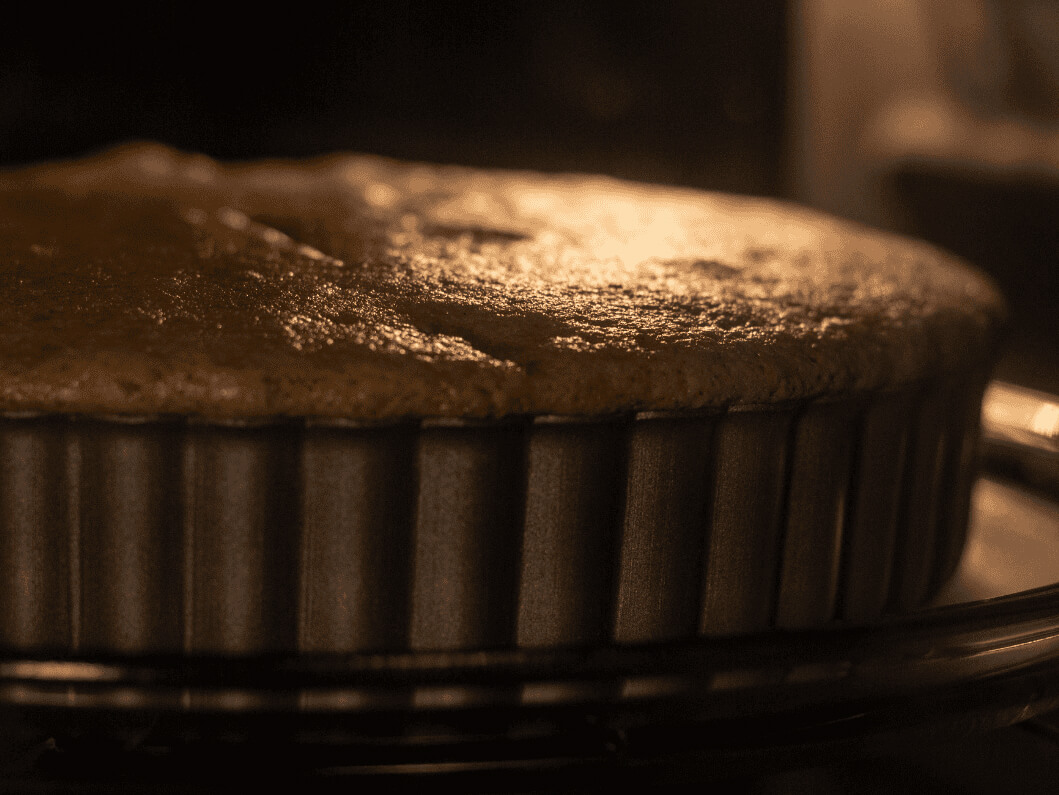
Baking is a cooking method that uses prolonged dry heat, typically in an oven, but also in hot ashes or on hot stones. The most common baked item is bread, but many other types of foods are also baked. Heat is gradually transferred “from the surface of cakes, cookies, and pieces of bread to their center. As heat travels through, it transforms batters and doughs into baked goods with a firm dry crust and a softer center”. Through its versatility and range of applications, baking remains an essential culinary technique worldwide, capable of producing a diverse array of dishes that cater to various tastes and dietary needs. The art of baking is deeply embedded in cultural traditions, making it not only a method of cooking but also a way to carry on heritage and bring people together.
-
01 How Baking Works
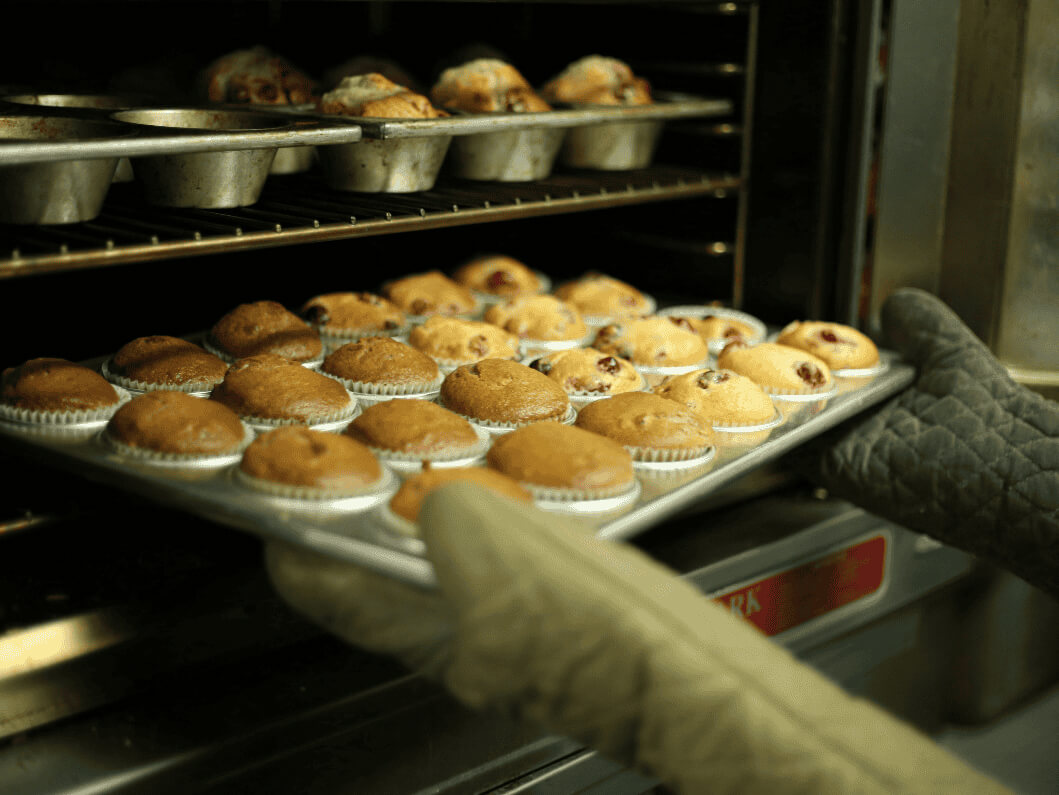
Baking works through a series of chemical and physical processes that change the structure of the ingredients to produce a finished dish. When you mix ingredients like flour, water, and yeast, for instance, the yeast begins to ferment the sugars present in the flour, producing carbon dioxide. This gas gets trapped in the dough, causing it to rise. Once in the oven, heat causes further physical and chemical reactions:
- Expansion of gases: Gases expanded by the heat contribute to leavening the dough or batter further.
- Gelatinization of starches: The heat causes the starches to absorb moisture, swell, and form a firm structure.
- Caramelization and Maillard reaction: Sugars and proteins undergo complex reactions producing rich flavors and brown colors.
- Setting of the structure: Proteins (like gluten in bread) coagulate and set the structure of the baked good so that it holds its shape once cooled.
-
02 Types of Baking
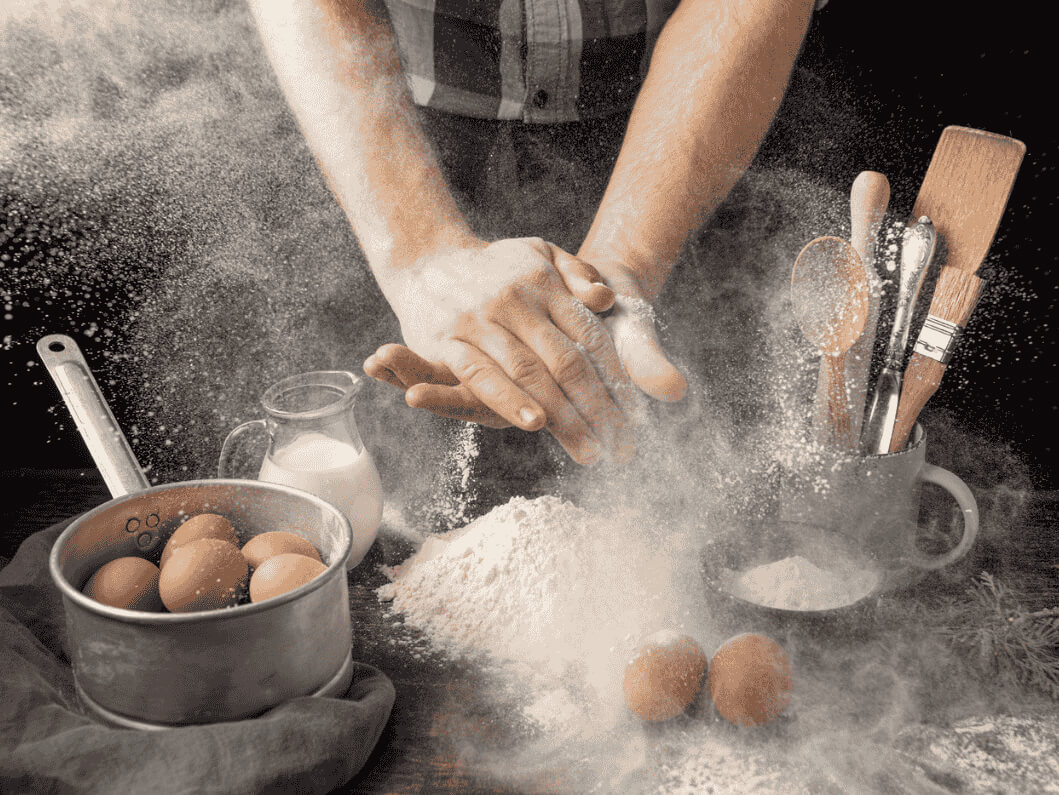
- Convection Baking: Uses the movement of hot air to cook food, which typically allows for faster and more even baking.
- Radiant Heat Baking: Involves heat transfer from a source without the necessity for air movement, similar to traditional oven baking.
- Direct Heat Baking: Utilizes direct contact with heat sources, akin to baking on a hot stone or cast iron.
- Indirect Heat Baking: Heat is radiated from an oven wall or roof, without direct contact between the heat source and the food.
-
03 Benefits of Baking
- Healthier Cooking: Baking requires little to no added fat, such as butter or oil, unlike frying. This can result in lower caloric content of the final product.
- Flavor Development: Baking can enhance flavor through caramelization and the Maillard reaction, which do not occur in boiled or steamed food.
- Convenience: Many baked goods can be made in large batches and stored longer than those prepared by other methods.
- Uniform Cooking: Proper baking ensures even heat distribution, allowing for uniform texture and cooking of food.
-
04 Examples of Baking Applications
- Breads and Pastries: From everyday bread to croissants and pies, these staples are produced through baking.
- Cakes and Cookies: A variety of sweets and desserts like cakes, cookies, and brownies are created with distinct baking methods.
- Casseroles: Dishes that combine meats, vegetables, and a starchy binder are often baked to create a hearty meal.
- Roasted Meats and Vegetables: Baking is used not just for doughs and batters but also for cooking entire meats and vegetables, often resulting in a flavorful, tender food product.
Your Gateway to Seamless Baking Solutions
CoPack Connect can connect brands with contract manufacturers and packagers that offer baking services. We make it easy for businesses to find the right manufacturer for their needs and provide the tools and resources they need to manage their relabeling projects successfully.

2000+
Manufacturers