
Aseptic Processing Food Processing Type
Aseptic processing is a technique used in food processing and pharmaceutical industries to ensure that a sterile product is packaged in a sterile environment in such a way that contamination by microorganisms is prevented. This process extends the shelf life of products while maintaining their quality and safety. Unlike traditional canning which uses high temperatures to sterilize food both inside and outside the can, aseptic processing involves sterilizing food separately from the packaging, then combining and sealing them in a sterile environment.
-
01 How Aseptic Processing Works
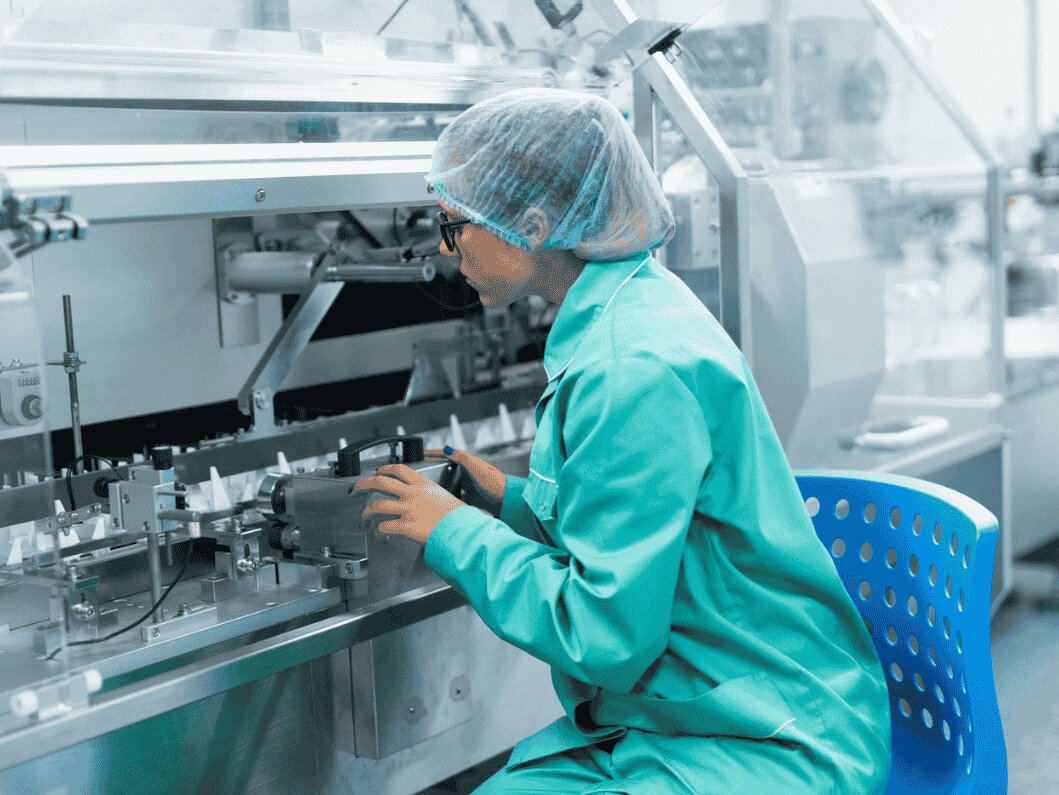
Aseptic processing involves several key steps. First, the product, such as juice, milk, or pharmaceuticals, is rapidly heated to an ultra-high temperature for a short time to kill any microorganisms. This method is often referred to as UHT (Ultra-High Temperature) processing. After the product is sterilized, it must be cooled quickly to a temperature where it can be handled safely.
Simultaneously, the packaging material is also sterilized, typically using hydrogen peroxide and heat treatments. The sterilized product is then transferred to a sterile filling environment. In this controlled environment, the product is enclosed in the pre-sterilized packaging. This entire process takes place in an aseptic area, which is free from airborne contaminants and maintained under strict hygiene standards to avoid any chance of contamination.
-
02 Benefits of Aseptic Processing
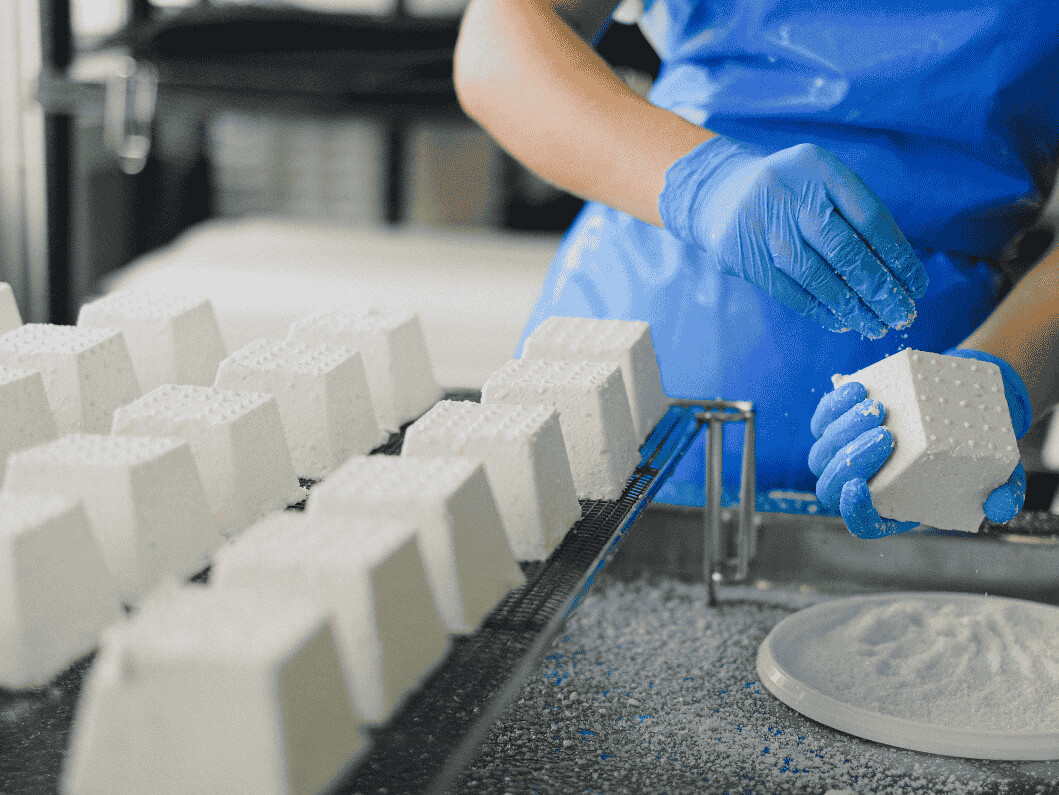
The benefits of aseptic processing are significant, particularly in terms of product safety, quality, and shelf life:
- Extended Shelf Life: Products processed aseptically can be stored without refrigeration for extended periods. This is particularly advantageous for marketing and distributing products in areas without adequate refrigeration facilities.
- Quality Preservation: Since the products are exposed to high temperatures for only a short time, many of the qualities like taste, color, and nutritional value are better preserved compared to traditional methods of sterilization that involve longer periods of heating.
- Reduction in Preservatives: Aseptic processing reduces the need for preservatives since the products are already free from microorganisms when sealed.
- Packaging Flexibility: This technique allows for a broader range of packaging materials and designs, as the packaging does not need to withstand the high temperatures of traditional sterilization processes. This can lead to innovations in packaging that can improve functionality and attract consumers.
- Energy Efficiency: Aseptic processing is generally more energy-efficient than conventional canning because it eliminates the need to sterilize products in their final containers.
-
03 Examples of Aseptic Applications
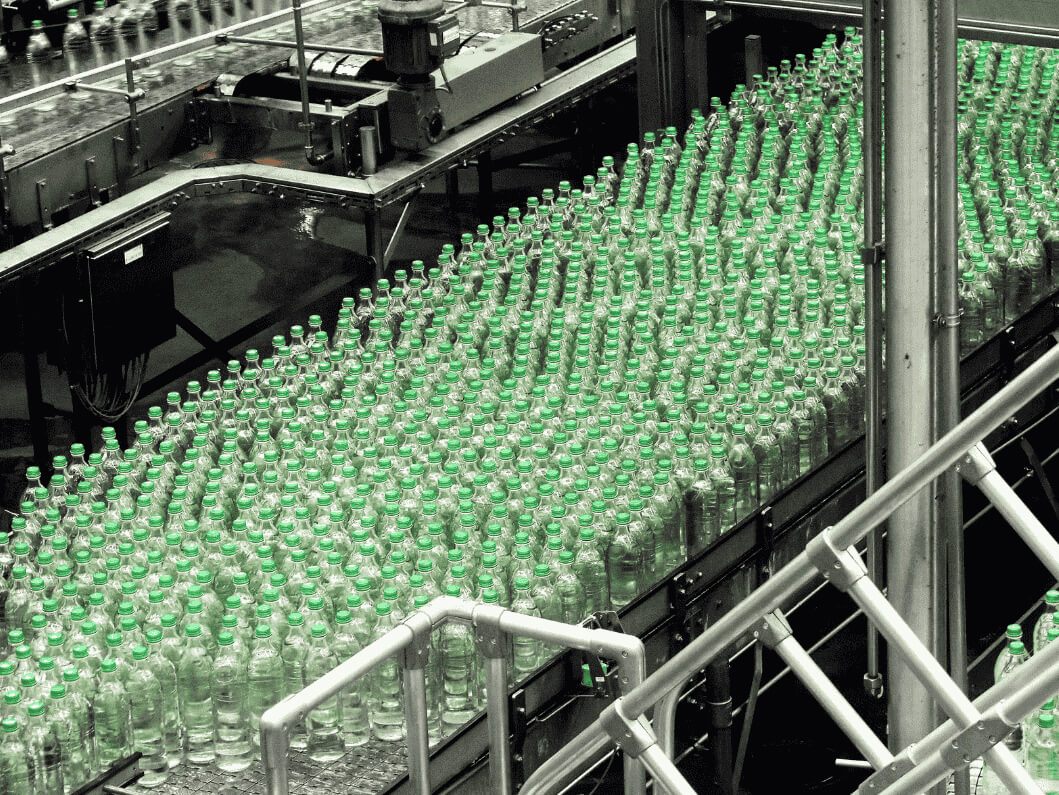
Aseptic processing is widely used in various industries, demonstrating its versatility and effectiveness. Here are some common applications:
- Dairy Industry: Milk and dairy products are commonly processed aseptically to extend their shelf life and preserve their natural flavor and nutritional value. UHT milk is a well-known example that can be stored without refrigeration.
- Beverage Industry: Many juices, teas, and non-dairy milks are treated aseptically to maintain their taste and nutritional qualities over time without preservatives.
- Pharmaceuticals: Aseptic processing is critical for ensuring the sterility of injectable drugs, vaccines, and other sensitive medical solutions. This is crucial to prevent contamination that could cause infections.
- Processed Foods: Soups and sauces are increasingly processed using aseptic technologies to enhance their shelf life and maintain the integrity of ingredients.
- Nutraceuticals: Vitamins and supplements that are sensitive to degradation when exposed to air and contaminants are often processed aseptically to ensure their efficacy over time.
Your Gateway to Seamless Aseptic Processing Solutions
CoPack Connect can connect brands with contract manufacturers and packagers that offer aseptic services. We make it easy for businesses to find the right manufacturer for their needs and provide the tools and resources they need to manage their relabeling projects successfully.

2000+
Manufacturers