
High Pressure Processing Solutions that Create Competitive Advantage
High Pressure Processing (HPP) is an advanced, non-thermal food preservation technique that utilizes extremely high pressure to inactivate pathogens and extend the shelf life of food products. The process involves placing food in a flexible, water-resistant packaging and then immersing it in a pressure chamber filled with water. The chamber is subjected to pressures up to 600 MPa (megapascals), which is roughly equivalent to six times the pressure found at the deepest part of the ocean. This immense pressure is applied uniformly and instantaneously, ensuring that the food maintains its original shape and quality.
Unlike traditional preservation methods that rely on high temperatures, HPP operates at or near room temperature, preserving the food’s sensory and nutritional attributes. This makes it particularly valuable for foods that are heat-sensitive, such as fresh juices, seafood, and ready-to-eat meats. The pressure disrupts the cellular functions of bacteria, viruses, yeasts, molds, and parasites without the need for chemical preservatives, making it an effective method for reducing microbial load while maintaining the fresh-like qualities of the food.
-
01 How High Pressure Processing Works
The core principle behind high pressure processing is the application of uniformly distributed pressure through water around the food product, which is typically packaged in flexible and water-resistant packaging. When food is subjected to these high pressures, the intense pressure is transmitted instantaneously and uniformly across the food products, regardless of their shape and size. This process primarily targets and inactivates the cellular activities of bacteria and other pathogens, effectively reducing the microbial load and increasing the product’s shelf life.
Unlike thermal methods, HPP is conducted at or near room temperature, thereby avoiding the heat degradation of food quality. The pressure is so intense that it alters the molecular structure of bacteria, causing their cell membranes to become damaged and ultimately leading to their death. However, since the process does not significantly increase the temperature, the essential characteristics like flavor, color, texture, and nutritional values are largely preserved.
-
02 Benefits of High Pressure Processing
The advantages of high pressure processing are notable, particularly in terms of food quality and safety:
- Extended Shelf Life: Due to the effective reduction of pathogenic bacteria and spoilage organisms, foods processed through HPP enjoy a longer shelf life.
- Retention of Nutrients and Sensory Qualities: Since HPP does not involve high temperatures, the nutrients and flavors of the food are not diminished as they often are during cooking or canning.
- Clean Label Products: HPP allows manufacturers to offer products with fewer preservatives, appealing to consumer demands for natural and clean label options.
- Improved Food Safety: HPP effectively inactivates many foodborne pathogens, such as Listeria, Salmonella, and E. coli, which are a concern in raw and ready-to-eat products.
- Versatility: This technology can be applied to a wide range of products, including meats, juices, fruits, vegetables, seafood, and dairy products.
-
03 Examples of High Pressure Processing Applications
High pressure processing has found applications across various sectors of the food industry. Some prominent examples include:
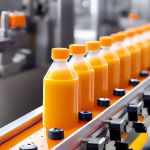
- Juices and Beverages: One of the earliest and most common uses of HPP is in the juice sector. By using HPP, companies can provide juices that retain the flavor and nutritional quality of fresh juice without the need for preservatives or heat pasteurization.
- Ready-to-Eat Meats: HPP is used to ensure the safety and extend the shelf life of packaged deli meats, which are particularly vulnerable to pathogens like Listeria.
- Seafood: HPP can help to shuck oysters and also ensure that other seafood products are free of pathogens.
- Dairy Products: Cheeses and yogurts benefit from HPP by having an extended shelf life and reduced reliance on chemical preservatives.
- Wet Salads and Dips: Products like guacamole and salsa are often treated with HPP to maintain their freshness and to inhibit the growth of spoilage organisms.
Your Gateway to Seamless High Pressure Processing Solutions
CoPack Connect can connect brands with contract manufacturers and packagers that offer high pressure processing services. We make it easy for businesses to find the right manufacturer for their needs and provide the tools and resources they need to manage their high pressure processing projects successfully.

2000+
Manufacturers