

Nesting Trays Solutions that Create Competitive Advantage
Nesting trays are a versatile and efficient form of packaging designed to maximize storage space while providing secure protection for various products. These trays are designed to “nest” within one another when empty, significantly reducing the storage space required and making them ideal for a range of applications. Nesting trays come in several types, each tailored to specific industry needs, including solid-bottom trays for smaller items, perforated trays for items requiring airflow, and compartmental trays for organizing multiple components. This flexibility in design allows businesses to choose the perfect nesting tray to protect and display their products.
-
01 Features of Nesting Trays
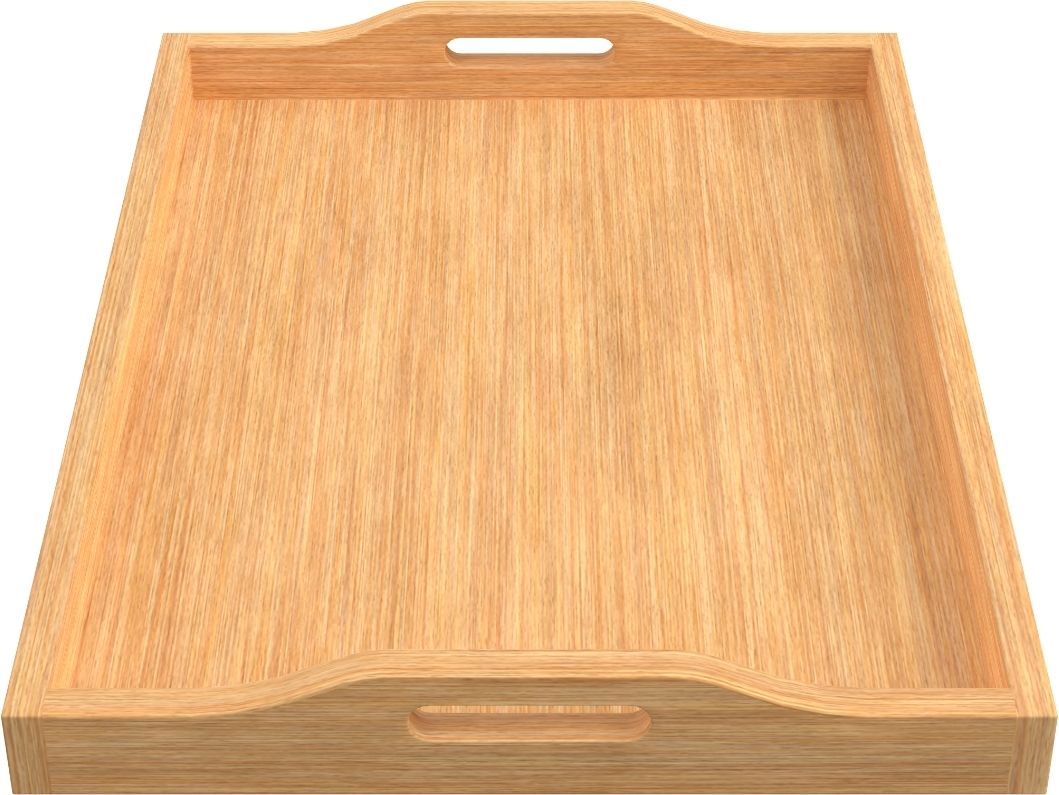
- Space-Saving Design: The unique design allows these trays to be nested inside each other when not in use, significantly reducing the volume they occupy. This feature is particularly advantageous for storage and transport, saving both space and cost.
- Material Versatility: Nesting trays can be made from a variety of materials, including plastic, metal, and cardboard. Each material offers different advantages, such as durability, lightweight, or eco-friendliness, catering to diverse needs.
- Customizable Compartments: Available in various configurations, these trays can be customized with different compartment sizes and shapes to securely hold and separate different products, from delicate electronics to food items.
- Durability and Strength: Designed to withstand stacking, nesting trays offer excellent structural integrity, making them suitable for protecting fragile or high-value items during transport and storage.
- Surface Finish and Branding: They can be customized with different surface finishes, including anti-static coatings or textured surfaces, to enhance product safety. Additionally, these trays can be printed or embossed with brand logos and information, serving as a powerful marketing tool.
-
02 Benefits of Nesting Trays
- Efficient Storage and Shipping: By nesting when empty, these trays save significant storage space, reducing warehouse costs and enhancing logistical efficiency. They also help reduce shipping costs as more trays can be transported in the same space.
- Product Protection: Nesting trays offer superior protection against physical damage, contamination, and moisture. Their sturdy construction keeps products securely in place, preventing movement during handling and transit.
- Organizational Advantages: The compartmentalized design helps organize products, which is particularly useful in assembly lines or retail displays. It facilitates easy access and inventory management, enhancing productivity and workflow.
- Eco-Friendly Options: Many nesting trays are now available in recyclable or biodegradable materials, aligning with sustainability goals and reducing environmental impact.
- Cost-Effectiveness: Their durable nature and reusability make nesting trays a cost-effective option for businesses looking to minimize packaging costs over the long term.
-
03 Different Uses of Nesting Trays
- Food and Beverage Industry: Commonly used to transport and display produce, baked goods, and other perishable items. The option of perforated trays allows for air circulation, which is ideal for fresh products.
- Automotive and Industrial Sectors: Used to organize and protect small parts, components, and hardware during storage and transit. The robust construction of these trays ensures that heavy and irregularly shaped items remain secure.
- Healthcare and Pharmaceuticals: Ideal for storing and transporting medical supplies, lab equipment, and pharmaceuticals. The customizable compartments can be designed to hold specific items, ensuring safety and organization.
- Retail and Consumer Goods: Used to display and store a variety of consumer goods, from electronics to personal care items. Their aesthetic appeal and customizable branding options make them ideal for enhancing product presentation.
- Electronics and Technology: Particularly useful for packaging sensitive electronic components that require static protection. The anti-static options prevent damage to electronic circuits, ensuring safe delivery and storage.
-
04 Environmental Impact and Sustainability of Nesting Trays
Nesting trays have emerged as a sustainable packaging solution in various industries, thanks to their reusable nature and the shift towards more eco-friendly materials. Manufacturers are increasingly using recyclable plastics or biodegradable materials to produce these trays, reducing waste and promoting recycling. The efficient design of nesting trays, which minimizes the storage and transport footprint, also contributes to lower carbon emissions. By reducing the number of trips needed for transport and optimizing warehouse space, nesting trays help companies meet their sustainability targets while maintaining high standards of product protection and efficiency.
Your Bridge to Finding Efficient Nesting Trays Services
CoPack Connect can connect brands with contract manufacturers and packagers that offer Nesting Trays services. We make it easy for businesses to find the right manufacturer for their needs and provide the tools and resources they need to manage their horizontal flow wrapping projects successfully.



2000+
Manufacturers