
Vacuum-Sealed Trays Solutions that Create Competitive Advantage
Vacuum-sealed trays are a highly effective packaging solution designed to extend the shelf life of perishable goods while maintaining product quality. These trays are particularly popular in the food industry due to their ability to keep products fresh, safe, and visually appealing. By removing air from the packaging and creating a tight seal, vacuum-sealed trays help prevent oxidation, moisture loss, and the growth of bacteria and mold, making them ideal for meats, cheeses, seafood, ready-to-eat meals, and other delicate items.
-
01 Types of Vacuum-Sealed Trays
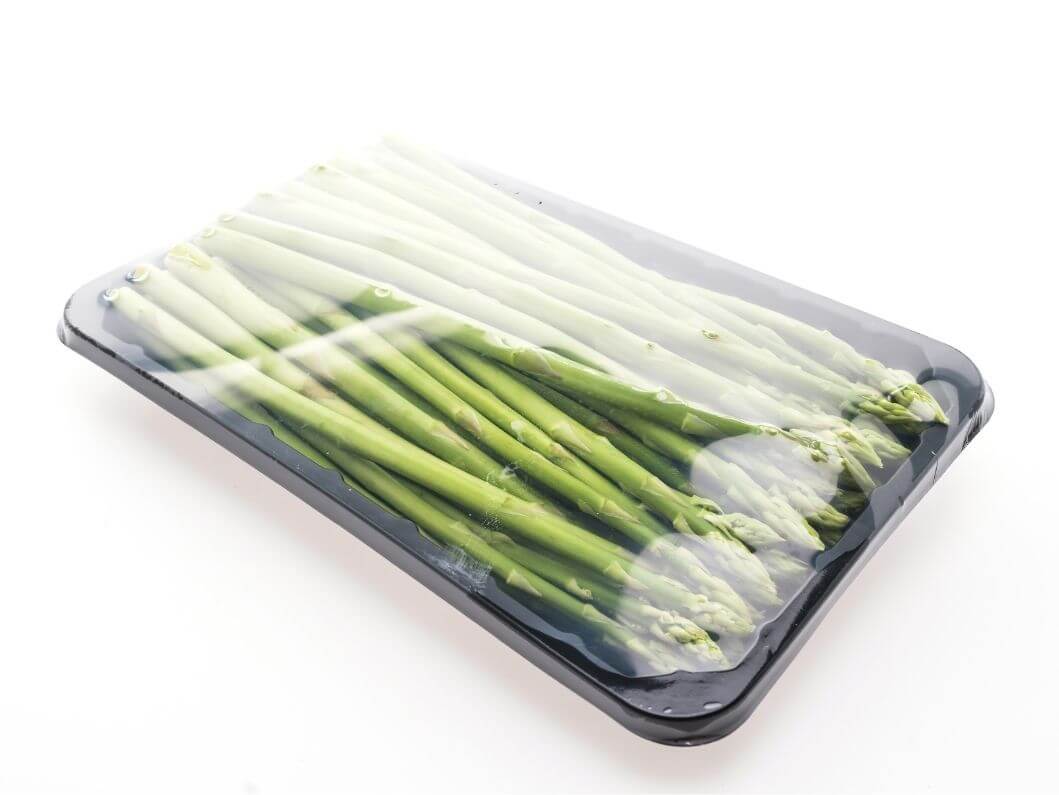
- Standard Vacuum Trays: These are the most common type, featuring a simple tray and lid design. The product is placed in the tray, and air is removed before sealing with a film. These trays are perfect for fresh produce, meats, and cheeses.
- Modified Atmosphere Packaging (MAP) Trays: These trays use a combination of gases (usually a mix of oxygen, nitrogen, and carbon dioxide) to further extend the shelf life of the product. MAP trays are ideal for items like fresh pasta, prepared meals, and deli meats that require a longer shelf life without compromising on freshness or quality.
- Skin Packaging Trays: This type of vacuum-sealed tray involves a vacuum skin film that tightly adheres to the contours of the product, creating a second skin. This method is perfect for showcasing premium cuts of meat, fish fillets, or specialty cheeses, enhancing the visual appeal while also protecting the product from contamination.
- High-Barrier Trays: Designed with materials that provide an exceptional barrier against oxygen, moisture, and other contaminants, high-barrier trays are suitable for products with very specific preservation needs. They are often used for packaging highly sensitive items like smoked fish or cured meats.
-
02 Key Features of Vacuum-Sealed Trays
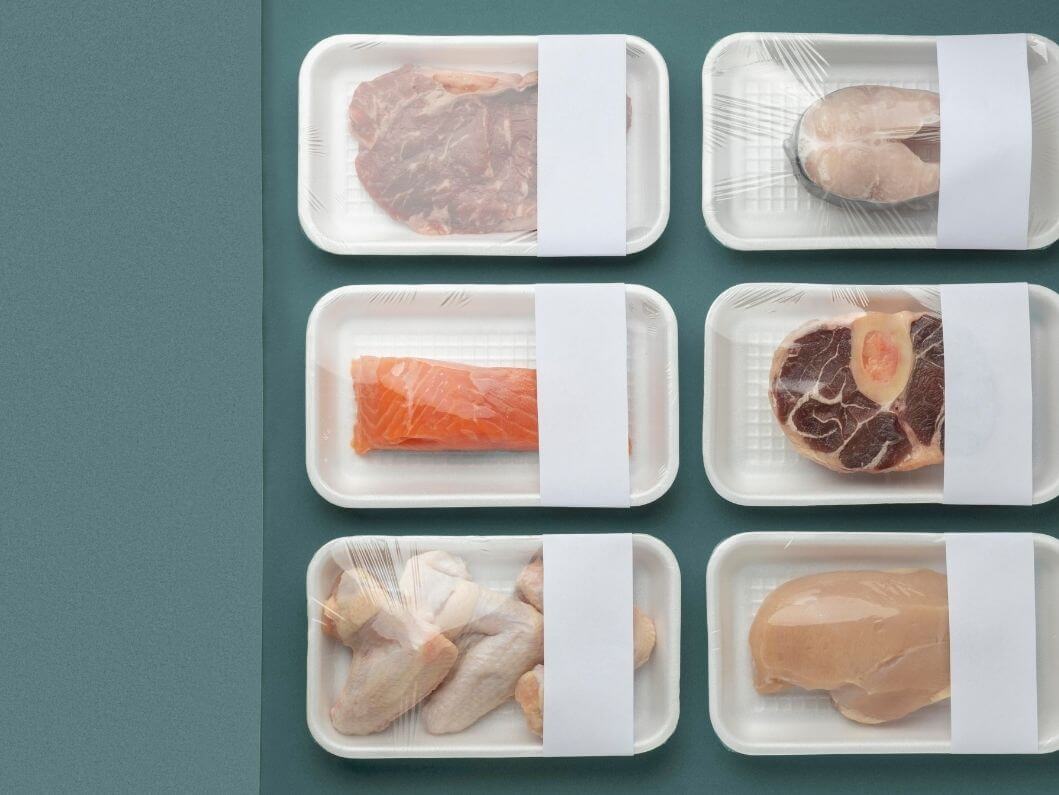
- Material Composition: These trays are typically made from durable materials like PET (polyethylene terephthalate), PP (polypropylene), or multi-layer films. These materials offer excellent strength and flexibility while providing the necessary barrier properties to maintain product freshness and quality.
- Sealing Capabilities: Vacuum-sealed trays are known for their airtight seals, which protect against moisture, contaminants, and spoilage. This sealing capability is crucial for extending the shelf life of perishable goods and maintaining product safety.
- Customization Options: Vacuum-sealed trays can be customized in terms of size, shape, and material thickness to meet specific product and branding needs. This flexibility makes them suitable for a wide range of applications, from retail to foodservice.
- Visibility and Presentation: The clear, high-gloss films used in vacuum-sealed trays allow for excellent product visibility, which is crucial for attracting customers in a retail environment. The trays can also be printed with logos, product information, and branding elements to enhance shelf appeal.
-
03 Benefits of Vacuum-Sealed Trays
- Extended Shelf Life: By removing oxygen and creating a secure seal, vacuum-sealed trays significantly extend the shelf life of perishable products, reducing food waste and increasing profitability.
- Enhanced Food Safety: The vacuum sealing process minimizes the risk of contamination and bacterial growth, ensuring that food products remain safe and hygienic until consumed.
- Product Protection: Vacuum-sealed trays offer excellent protection against physical damage, oxidation, and dehydration, keeping food products in optimal condition.
- Space Efficiency: The compact design of vacuum-sealed trays allows for efficient stacking and storage, both in retail displays and during transportation. This efficiency reduces costs and improves logistics.
- Sustainability: Many vacuum-sealed trays are made from recyclable materials, and their design minimizes material usage compared to bulkier packaging alternatives. This reduces the environmental footprint and aligns with the growing demand for sustainable packaging solutions.
-
04 Applications of Vacuum-Sealed Trays
- Food Industry: Widely used for fresh meats, seafood, cheeses, prepared meals, and other perishable goods. The trays’ ability to maintain freshness and extend shelf life makes them an ideal choice for both retail and foodservice applications.
- Health and Wellness: Vacuum-sealed trays are also used for packaging nutraceuticals, vitamins, and other health supplements that require protection from moisture and air to maintain potency and effectiveness.
- Pharmaceuticals: In the pharmaceutical sector, vacuum-sealed trays are used to package medical supplies, diagnostic kits, and other items that must remain sterile and contamination-free.
-
05 Environmental Impact and Sustainability of Vacuum-Sealed Trays
Modern vacuum-sealed tray packaging practices emphasize sustainability and environmental responsibility. Manufacturers are increasingly using recyclable or biodegradable materials and focusing on lightweight designs to reduce the amount of plastic used. Additionally, the extended shelf life provided by vacuum-sealed trays helps reduce food waste, contributing to overall sustainability efforts. The reduction in spoilage and waste, combined with efficient transport and storage capabilities, supports lower carbon emissions and a more environmentally friendly supply chain.
Your Bridge to Finding Efficient Vacuum Sealed Tray Services
CoPack Connect can connect brands with contract manufacturers and packagers that offer vacuum sealed tray services. We make it easy for businesses to find the right manufacturer for their needs and provide the tools and resources they need to manage their projects successfully.

2000+
Manufacturers