
Divided Trays Solutions that Create Competitive Advantage
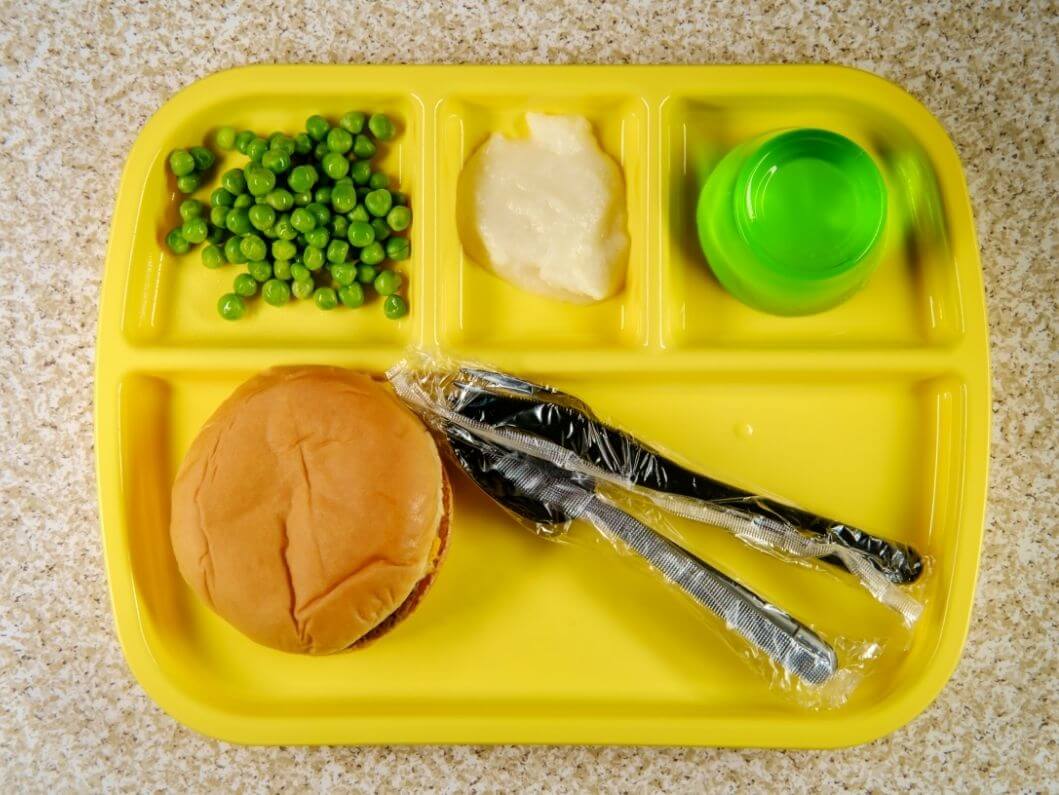
Divided trays are a specialized type of packaging designed to hold multiple items separately within a single container. These trays come with built-in compartments, each specifically crafted to keep items apart, maintaining their integrity and preventing mixing or damage during transport. Available in a range of materials and sizes, divided trays are adaptable to various needs across different industries.
-
01 Types of Divided Trays

- Thermoformed Trays: Made by heating plastic sheets and molding them into specific shapes, these trays are ideal for lightweight items like electronics or small components. They are often used in retail packaging to provide visibility while keeping products secure and organized.
- Foam Trays: Crafted from lightweight foam, these trays offer superior cushioning, making them perfect for delicate items such as glassware, medical devices, and fragile electronics. Foam trays are excellent for protecting contents from shocks and vibrations during shipping.
- Cardboard Trays: These are made from sturdy cardboard material and are often used in the food industry for packaging multiple food items, such as baked goods or ready-to-eat meals. They can be lined or coated to provide moisture resistance.
- Plastic Insert Trays: Commonly used in the cosmetic and pharmaceutical industries, these trays provide a clean and sterile environment for products like vials, syringes, or beauty products. They are typically used in combination with outer cartons or sleeves for added protection and presentation.
- Corrugated Trays: Designed for heavy-duty applications, these trays are constructed from corrugated fiberboard and are ideal for industrial components, automotive parts, or heavy machinery pieces. Their strength makes them suitable for stacking and high-load capacities.
-
02 Features of Divided Trays

- Compartmentalization: The built-in compartments keep items separate, which is essential for maintaining the quality and condition of each product. This design prevents items from shifting and potentially damaging each other during transport.
- Customizable Design: Divided trays can be tailored to specific dimensions and compartment sizes based on the product requirements. Custom inserts and dividers can be added to accommodate unique shapes and sizes.
- Material Versatility: Available in various materials, including plastic, foam, cardboard, and corrugated fiberboard, divided trays can be selected based on the need for durability, weight, and protection levels.
- Stackability: Many divided trays are designed to be stackable, which optimizes storage space and improves the efficiency of shipping and warehouse management.
- Protective Properties: Depending on the material, divided trays offer different levels of protection against moisture, dust, and impacts, which is crucial for preserving product integrity.
-
03 Benefits of Divided Trays
- Product Protection: By separating items into individual compartments, divided trays prevent movement and reduce the risk of damage during shipping and handling. This is especially beneficial for fragile or sensitive products.
- Improved Organization: Divided trays help keep products organized, making inventory management easier and more efficient. This is particularly useful in sectors like healthcare and electronics, where precise organization is critical.
- Enhanced Presentation: The clean and structured appearance of divided trays enhances product presentation, making them an ideal choice for retail environments. They allow customers to view products clearly, which can aid in the decision-making process.
- Cost-Effective: Compared to more complex packaging solutions, divided trays offer a cost-effective option that balances protection with budget considerations. They also reduce the need for additional protective materials like bubble wrap or packing peanuts.
- Eco-Friendly Options: Many divided trays are made from recyclable materials or are themselves recyclable, contributing to more sustainable packaging practices. This aligns with growing consumer and industry demand for environmentally responsible packaging.
-
04 Uses of Divided Trays
- Food Industry: Widely used for packaging fresh produce, bakery items, and ready-to-eat meals, divided trays help keep food items separated and fresh. They are also used for packaging multi-item meal kits and snacks.
- Medical and Pharmaceutical: Ideal for organizing and protecting medical devices, instruments, and pharmaceuticals, divided trays are used in hospitals, laboratories, and clinics for sterile storage and transport.
- Electronics and Automotive: Used for packaging components and parts, divided trays ensure that sensitive electronic parts or automotive components are kept safe and free from damage or contamination.
- Cosmetics and Personal Care: Common in the beauty industry, these trays are used to display and protect makeup products, skincare items, and personal care kits, enhancing both presentation and product safety.
-
05 Environmental Impact and Sustainability of Divided Trays
As the packaging industry shifts towards more sustainable practices, divided trays are evolving to meet these new standards. Manufacturers are increasingly using recycled or biodegradable materials, reducing the environmental footprint of these products. Lightweight materials used in some tray designs also contribute to lower shipping emissions, as less fuel is required to transport them. Moreover, their durability means they can often be reused, extending their lifecycle and reducing waste.
Your Bridge to Finding Efficient Divided Tray Services
CoPack Connect can connect brands with contract manufacturers and packagers that offer divided tray services. We make it easy for businesses to find the right manufacturer for their needs and provide the tools and resources they need to manage their projects successfully.


2000+
Manufacturers