
Biodegradable Pouches Solutions that Create Competitive Advantage
Biodegradable pouches represent a significant advancement in sustainable packaging, offering an eco-friendly alternative to traditional plastics. These pouches are crafted from renewable and organic materials, such as agricultural byproducts, which naturally decompose, reducing landfill and ocean waste. Their adoption is driven by increasing environmental awareness and consumer demand for sustainable products, making them an essential component in global efforts to reduce plastic pollution and promote eco-conscious consumption and production.
-
01 Types of Biodegradable Pouches
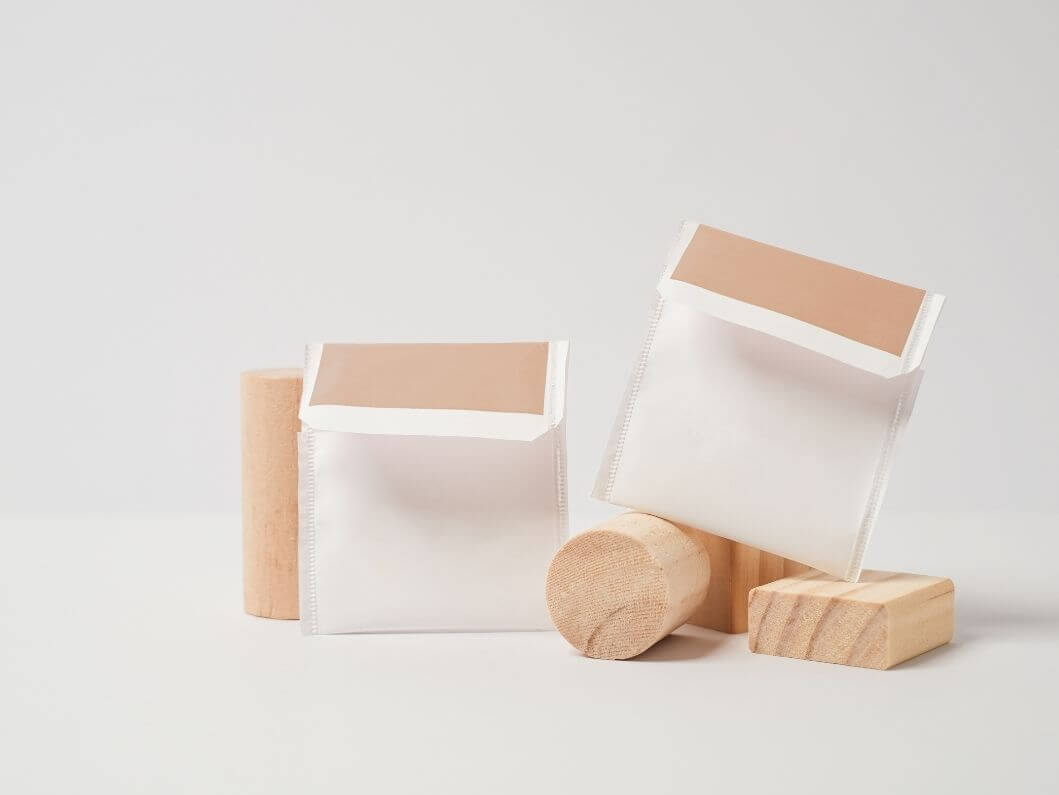
- Starch-based Pouches: Made from biopolymers derived from plant starches like corn, potatoes, or wheat. These pouches are fully biodegradable and are often used for lightweight or single-use items.
- PLA (Polylactic Acid) Pouches: Produced from fermented plant starch (usually corn), PLA is a popular bioplastic used in packaging. It’s clear and resembles traditional plastic but breaks down much more quickly under industrial composting conditions.
- PHA (Polyhydroxyalkanoates) Pouches: Made by microorganisms that produce plastic from organic materials when in stress (e.g., lack of nutrients). PHA pouches are both biodegradable and marine-degradable, making them extremely beneficial for reducing ocean plastic pollution.
- Cellulose-based Pouches: These are made from cellulose derived from wood pulp and are both biodegradable and compostable. They are typically used for products requiring a high degree of clarity and barrier protection, such as food packaging.
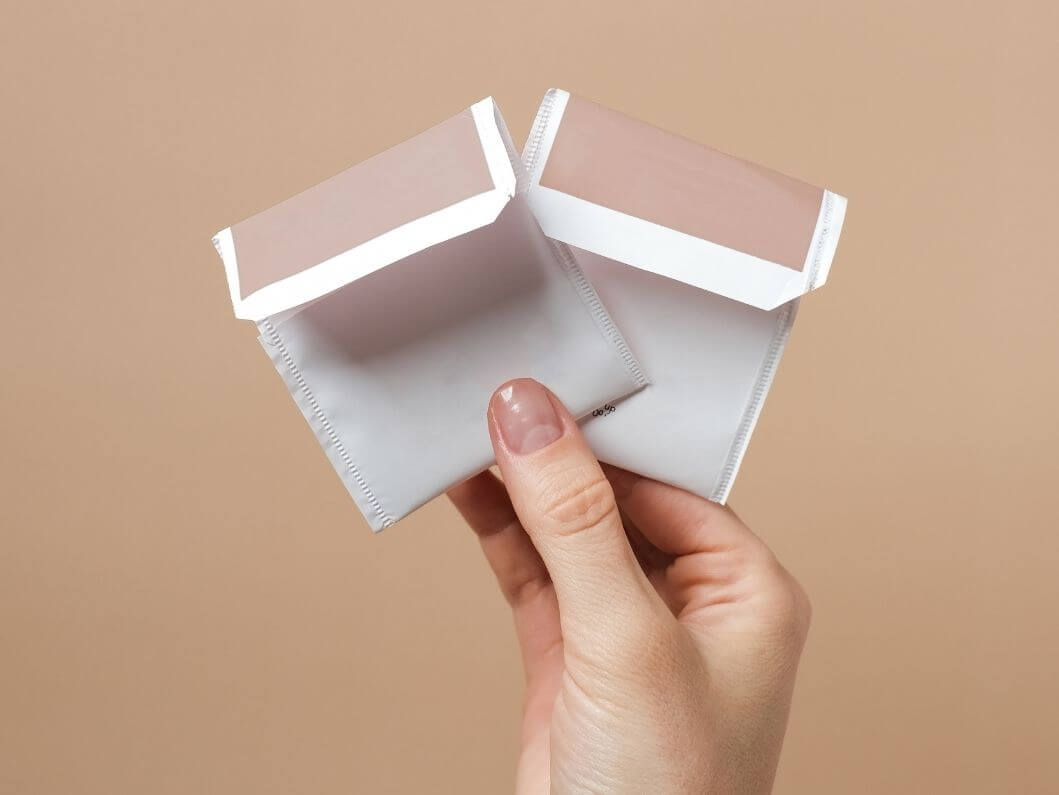
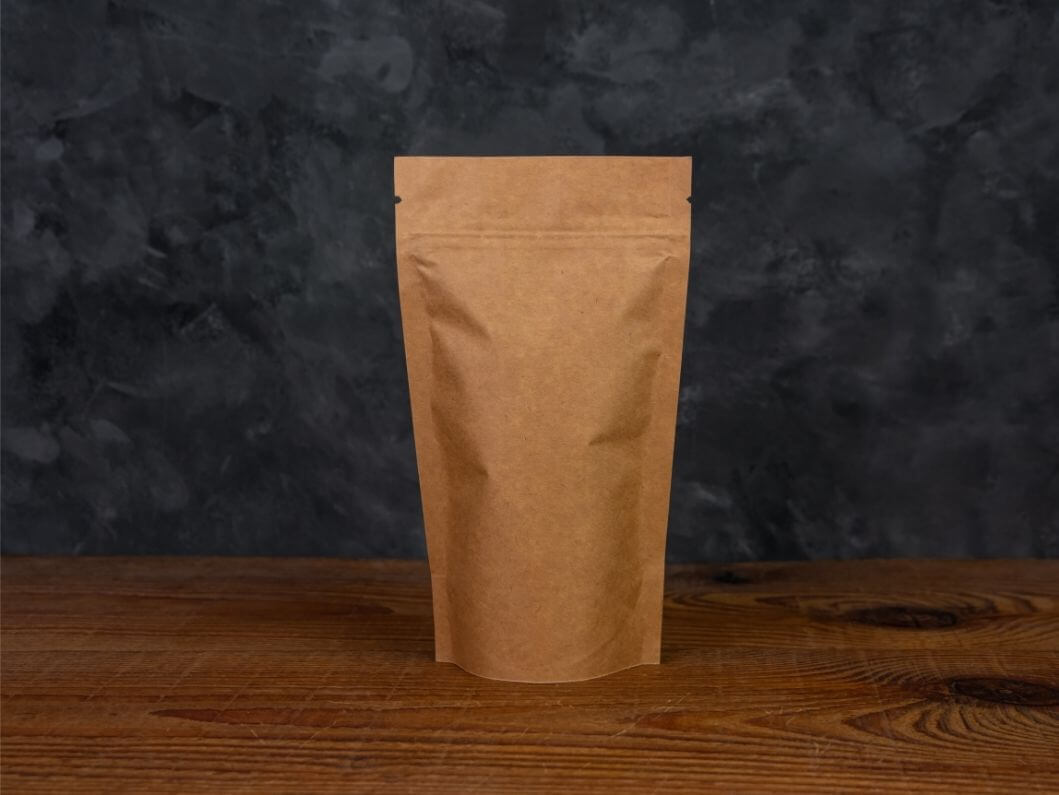
- Paper Pouches: Often lined with biodegradable films, these pouches offer a sustainable alternative to fully synthetic materials and are popular in the food and retail sectors.
-
02 Key Features of Biodegradable Pouches
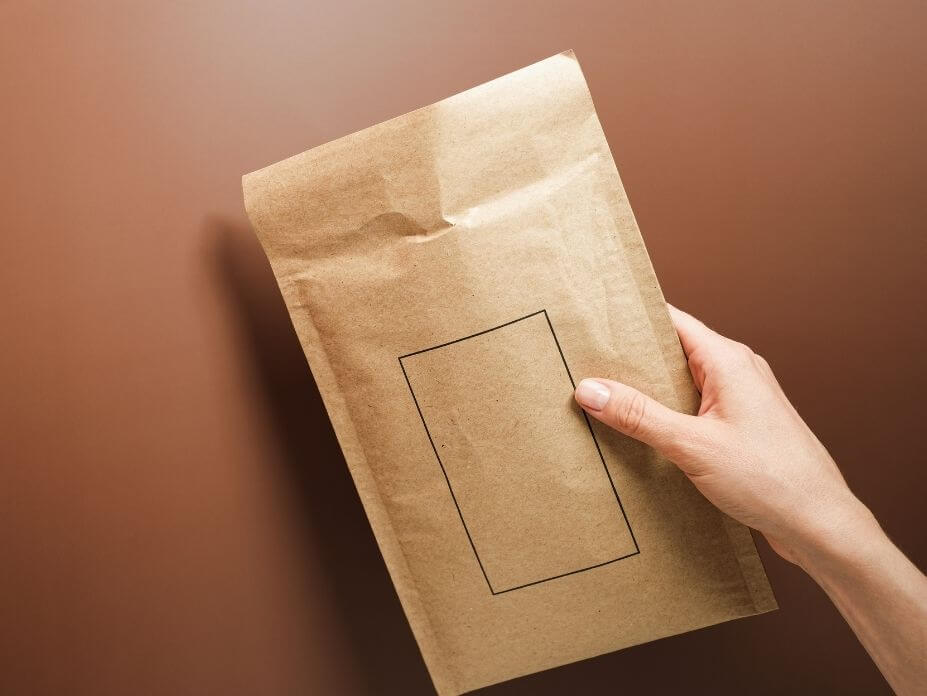
- Compostability: Many biodegradable pouches are designed to break down in a compost environment, turning into carbon dioxide, water, and biomass that add nutrients to the soil.
- Reduced Environmental Impact: They generate less waste and pollution during production and disposal compared to conventional plastics.
- Renewable Resources: Most biodegradable pouches are made from renewable materials, which helps reduce dependency on fossil fuels.
- Versatility: Available in various sizes, shapes, and can be customized with printing options to meet brand requirements.
-
03 Benefits of Using Biodegradable Pouches
- Eco-Friendliness: They help in reducing the buildup of waste in landfills and minimize environmental pollution.
- Enhanced Brand Image: Companies using biodegradable packaging can boost their brand image as eco-conscious and sustainable.
- Compliance with Regulations: As more regions push for sustainable packaging solutions, biodegradable pouches help businesses stay compliant with environmental regulations.
- Biodegradability: These pouches break down more quickly than traditional plastics, reducing long-term waste management needs.
-
04 Applications of Biodegradable Pouches
- Food Industry: Used for packing snacks, grains, nuts, and other perishable and non-perishable foods.
- Agriculture: For packaging seeds, fertilizers, and other agricultural products that benefit from eco-friendly packaging.
- Retail: Used for small consumer goods, especially those marketed as natural or organic.
- Pharmaceuticals: For packaging drugs and supplements where sustainability is a marketing advantage.
- Cosmetics: Popular for eco-friendly brands packaging creams, powders, and other beauty products.
-
05 Environmental Considerations
While biodegradable pouches reduce reliance on conventional plastics, they also introduce some environmental considerations. Many require industrial composting facilities for effective breakdown, which aren’t universally available. Additionally, the production of bioplastics can consume significant resources like water, fertilizers, and land, potentially leading to deforestation and soil depletion. Furthermore, the biodegradation rate varies among materials, and some environments, like oceans, may not support the degradation process effectively. These issues highlight the need for careful management and improvements in the lifecycle of biodegradable packaging to maximize its environmental benefits.
Your Bridge to Finding Efficient Biodegradable Pouches Services
CoPack Connect can connect brands with contract packagers that offer biodegradable pouches. We make it easy for businesses to find the right manufacturer for their needs and provide the tools and resources they need to manage their biodegradable pouch projects successfully.
2000+
Manufacturers