
Slow Cooking Solutions that Create Competitive Advantage
Slow cooking is a culinary method that involves cooking food at low temperatures for an extended period of time. This technique allows the flavors to develop gradually and can make even the toughest cuts of meat tender and juicy. Slow cooking is often done using a slow cooker, also known as a crockpot, but it can also be achieved with other equipment like Dutch ovens, casserole dishes, or even a low oven.
-
01 Types of Slow Cooking
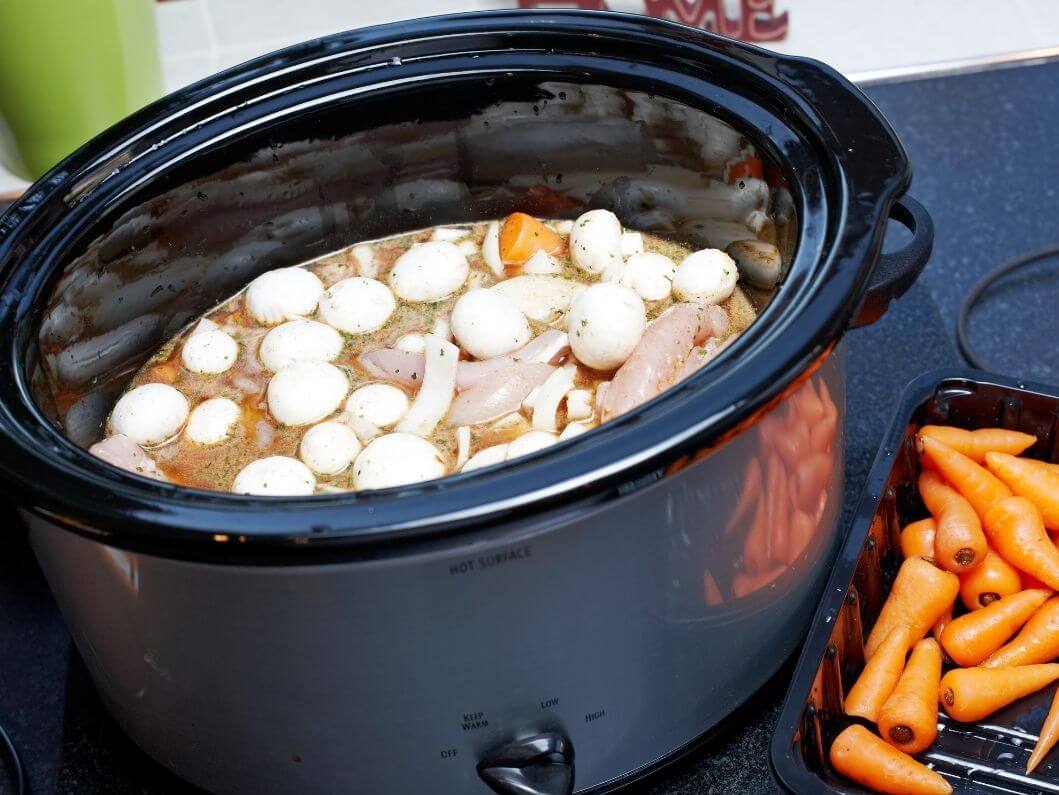
- Traditional Slow Cooking (Crockpot):
- Uses an electric slow cooker, which maintains a constant low temperature to cook food over several hours.
- Oven Slow Cooking:
- Involves using an oven set at a low temperature (around 200°F to 250°F) to achieve similar results to a slow cooker.
- Stovetop Slow Cooking:
- Utilizes a low heat setting on a stove to simmer food slowly in a pot or Dutch oven.
- Sous-vide:
- A form of slow cooking that involves vacuum-sealing food in a bag and cooking it in a water bath at precisely controlled temperatures.
- Traditional Slow Cooking (Crockpot):
-
02 Key Features of Slow Cooking
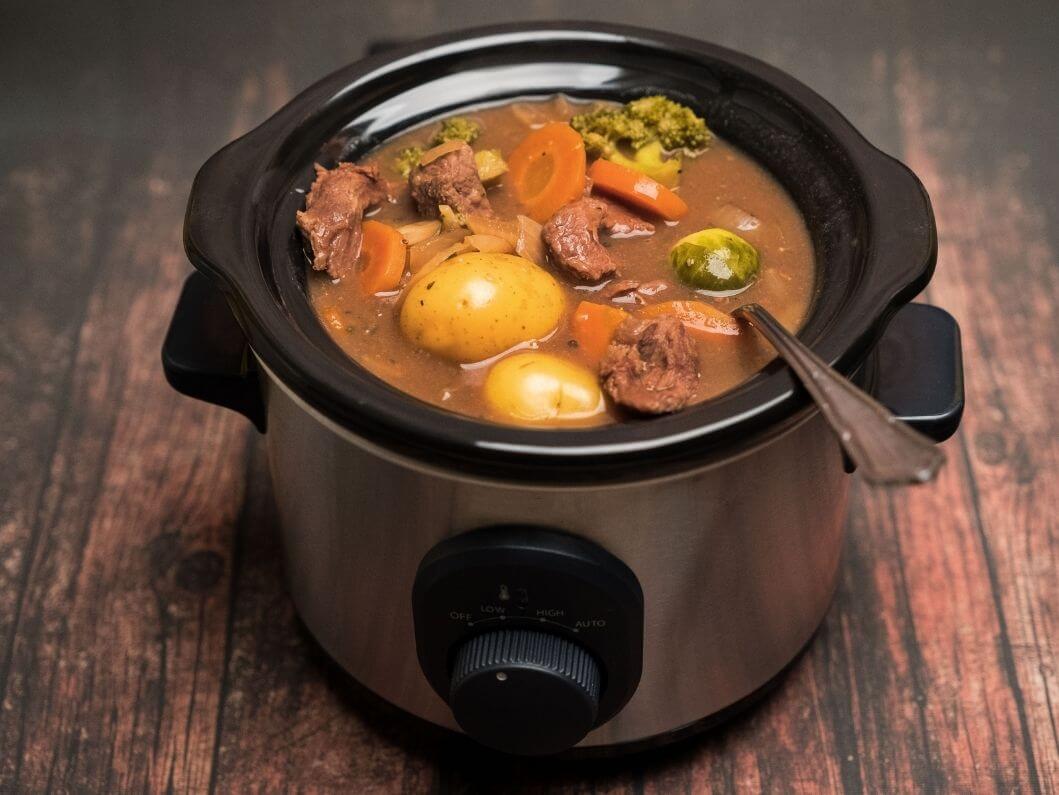
- Low Temperature: Typically ranges from 170°F to 280°F, ensuring gentle and gradual cooking.
- Moist Heat Cooking: Slow cookers create a steamy environment which helps in cooking food without drying it out.
- Extended Cooking Times: Cooking times can range from a few hours to an entire day, depending on the recipe and setting.
- Lid: A tight-fitting lid helps to trap heat and moisture, making it efficient in energy use and preventing the food from drying out.
- Simplicity: Often involves minimal preparation and can be set up ahead of time for hassle-free cooking.
-
03 Benefits of Using Slow Cooking
- Convenience: Allows for “set it and forget it” preparation. Once the ingredients are in the cooker, no active supervision is needed.
- Enhanced Flavor: Long cooking times allow for better distribution of flavors and tenderizing of tougher meat cuts.
- Energy Efficiency: Uses less electricity compared to a standard oven, especially when cooking over several hours.
- Nutrient Retention: The low temperatures and sealed environment help to preserve nutrients that might be lost during high-heat cooking methods.
- Versatility: Can be used for a wide variety of dishes including soups, stews, casseroles, and desserts.
- Safety: The low cooking temperatures and contained cooking environment reduce the risk of burning food.
-
04 Applications of Slow Cooking
- Home Cooking: Ideal for busy individuals or families, allowing for dinner preparation in the morning with ready-to-eat meals by evening.
- Restaurants: Used for preparing stocks, stews, or braised dishes that can benefit from long, slow simmering.
- Catering: Useful for large batch cooking where dishes need to be kept warm over long periods without loss of quality.
- Meal Prepping: Efficient for preparing multiple meals at once, which can then be stored and reheated throughout the week.
Your Bridge to Finding Efficient Slow Cooking Services
CoPack Connect can connect brands with contract packagers that offer slow cooking. We make it easy for businesses to find the right manufacturer for their needs and provide the tools and resources they need to manage their slow cooking projects successfully.
2000+
Manufacturers