

Sauteing Solutions that Create Competitive Advantage
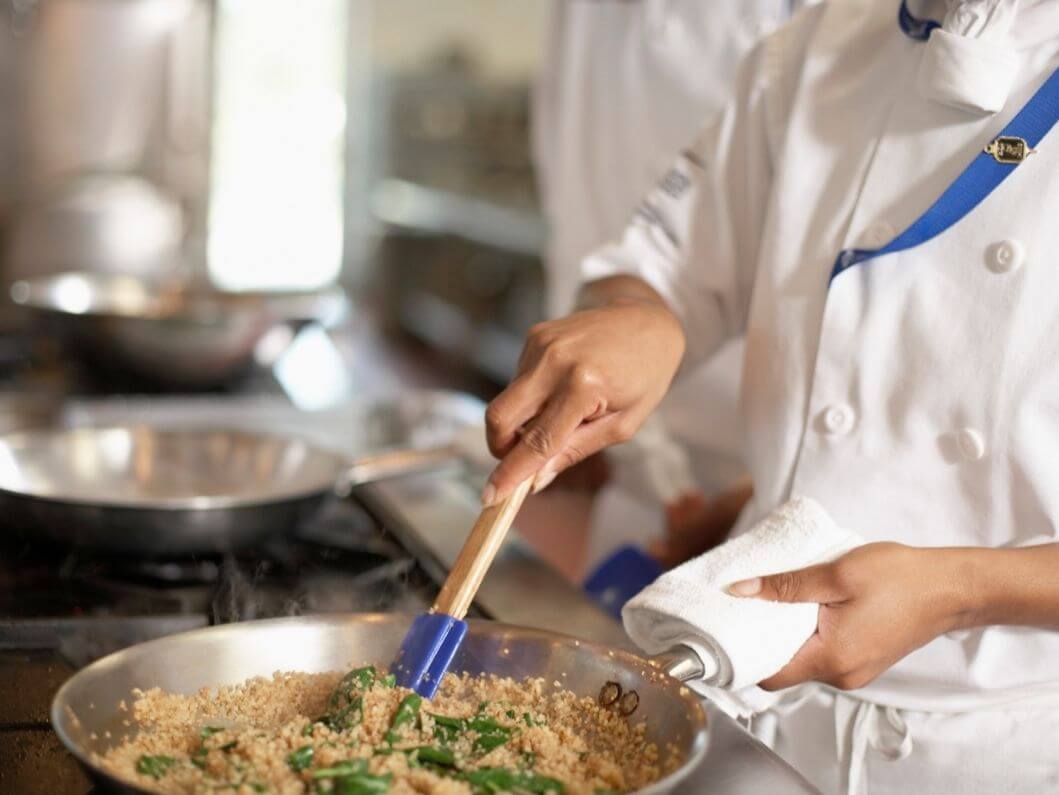
Sauteing is a versatile cooking technique that involves cooking food quickly in a small amount of fat over relatively high heat. This method is derived from the French word “sauter,” which means to jump, referring to how the food often reacts when added to a hot pan. Here’s a detailed look at the types of sauteing, key features, benefits, applications, and environmental considerations:
-
01 Types of Sauteing
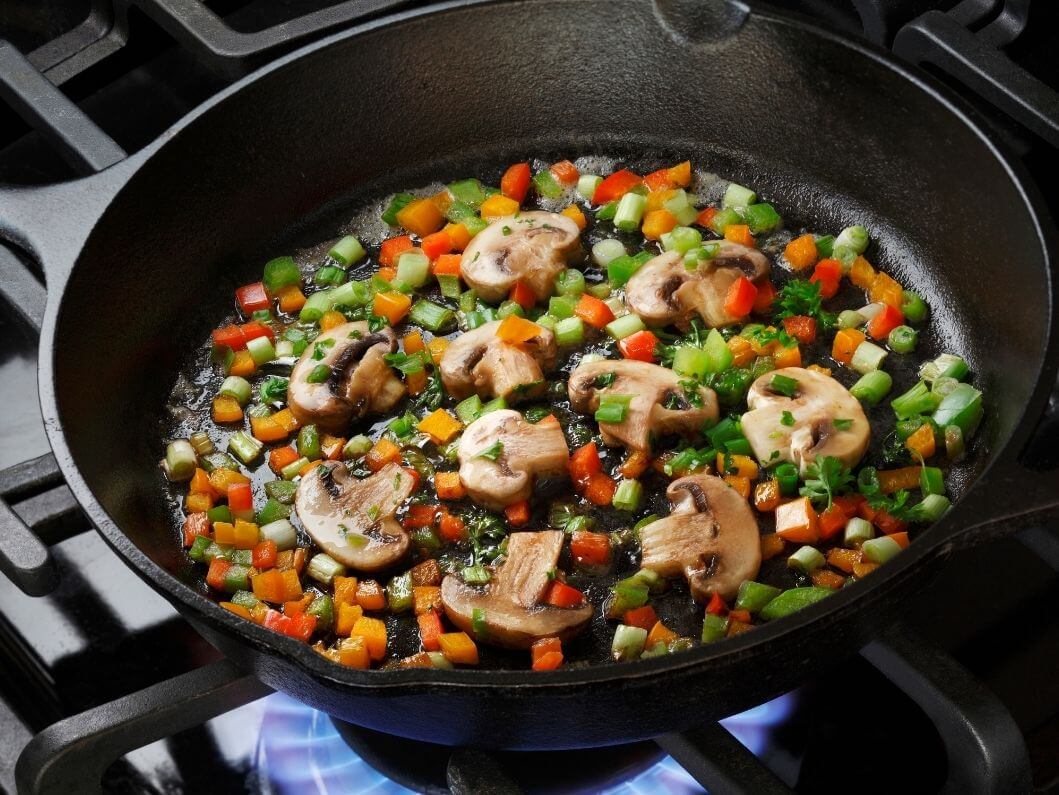
- Classic Sautéing: This involves cooking ingredients quickly in a small amount of oil or butter over high heat. Foods are usually cut into uniform pieces to ensure even cooking.
- Stir-Frying: A variant of sauteing popular in Asian cooking, using a wok to cook food at very high temperatures, stirring constantly.
- Sweating: Involves cooking food gently in a small amount of fat to release moisture without browning, often used for vegetables.
- Pan-Frying: Similar to sauteing but typically involves slightly more fat and lower heat, allowing for cooking thicker pieces of food like chicken breasts or pork chops.
- Shallow Frying: A type of sauteing where the food is partially submerged in hot oil and often turned once to cook both sides. It’s used for foods like breaded chicken cutlets or fish.
-
02 Key Features of Sauteing
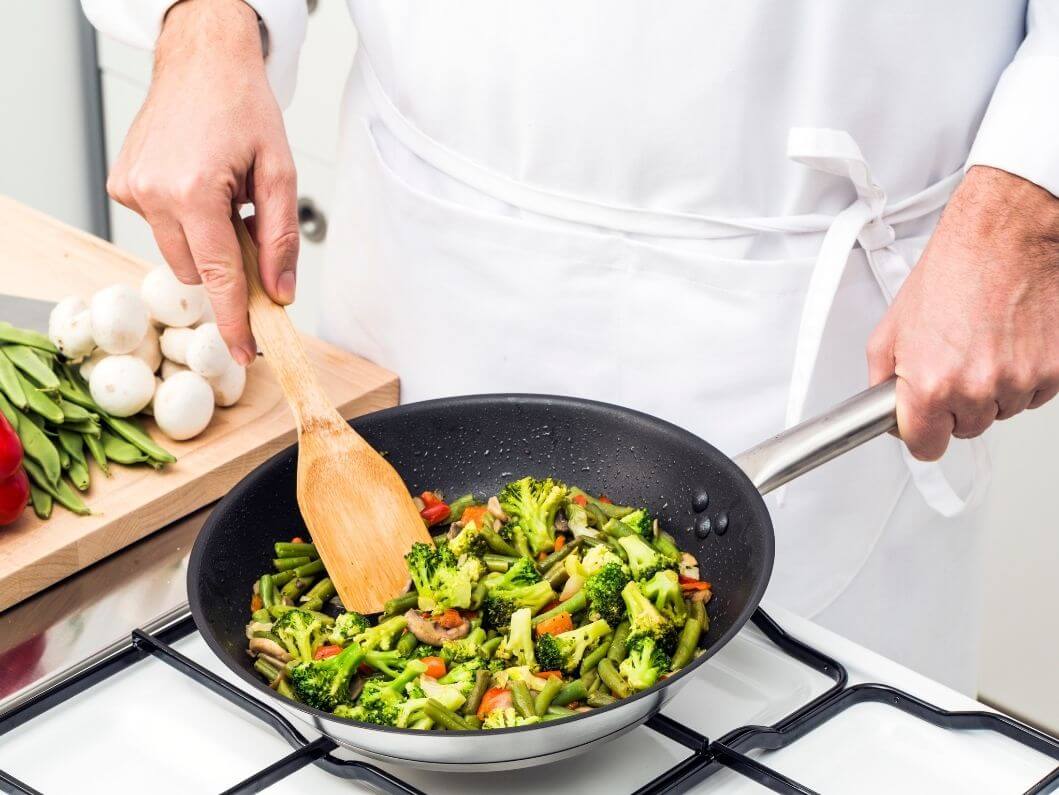
- High Heat: Sauteing is done over high heat, which allows for quick cooking and preservation of flavor and texture.
- Minimal Fat: Only a small amount of fat is used, which can enhance flavor without making the dish overly greasy.
- Rapid Cooking: Due to the high heat, food cooks quickly, making it ideal for busy kitchens.
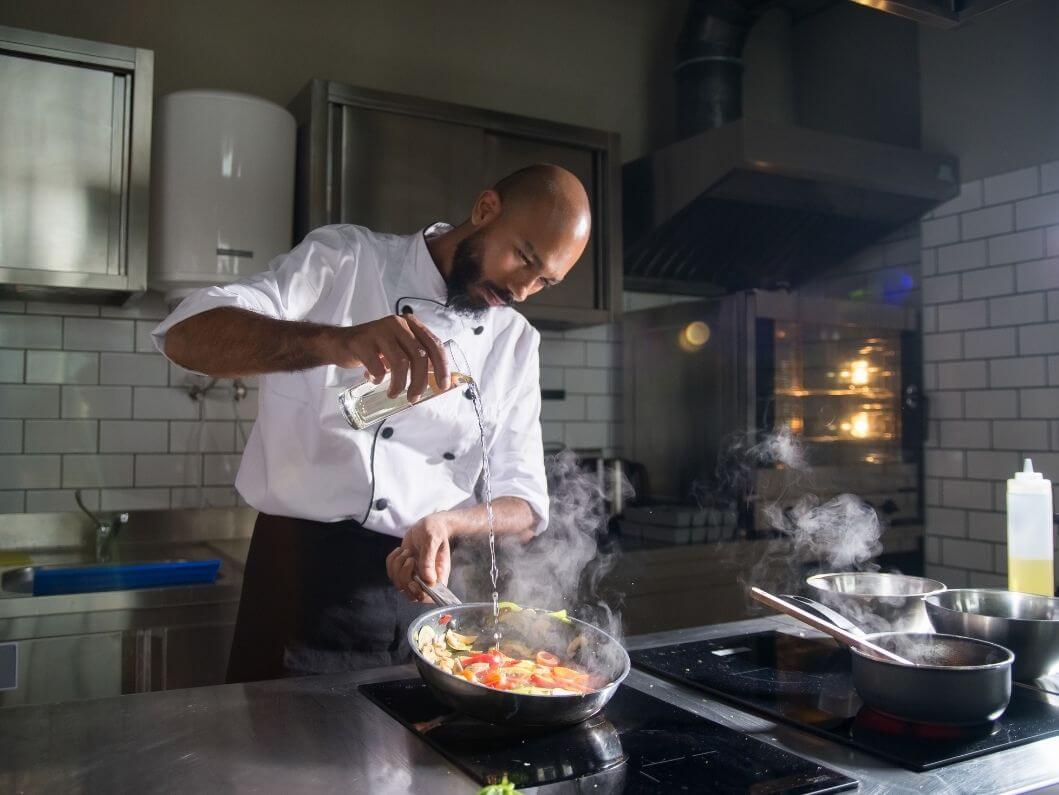
- Movement: Often the pan is shaken or food is stirred or flipped to ensure even cooking and prevent burning.
-
03 Benefits of Sauteing
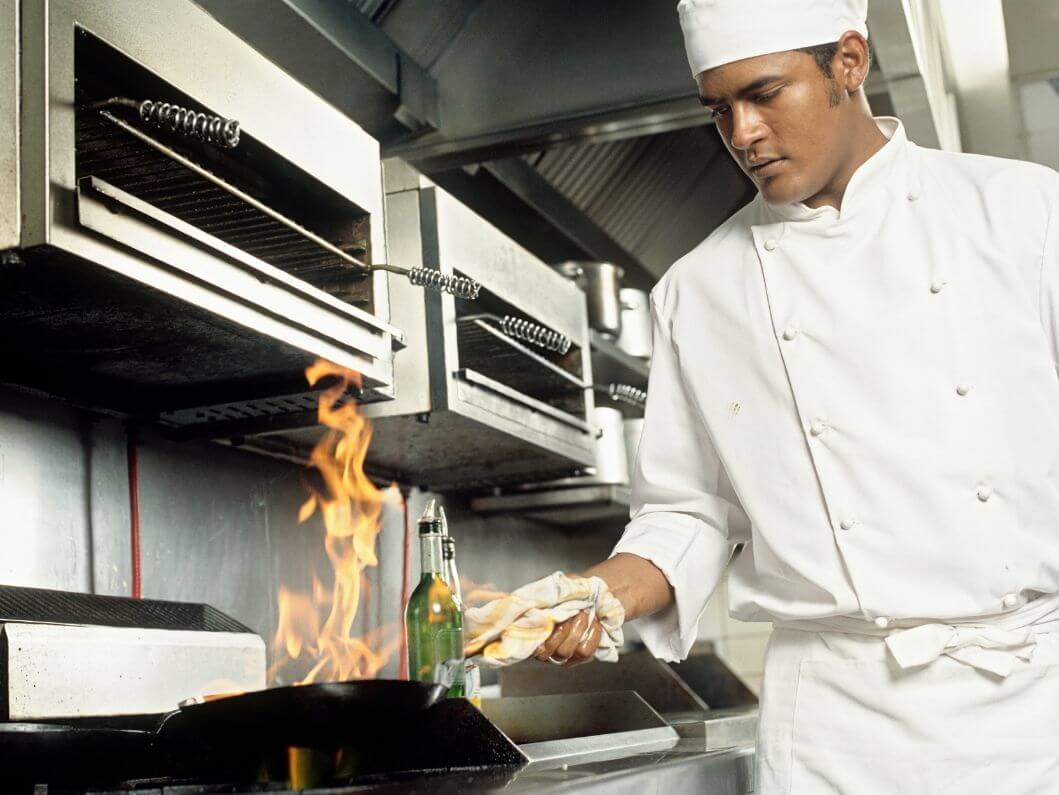
- Flavor Enhancement: High heat allows for browning and caramelization, which enhance the flavor of the food through the Maillard reaction.
- Nutrient Retention: The quick cooking process helps in retaining more nutrients compared to longer cooking methods like boiling.
- Versatility: Almost any kind of food can be sautéed, from vegetables and meats to tofu and seafood.
- Speed: It is a quick method, ideal for fast-paced meal preparations.
- Diet-Friendly: Uses less fat than other cooking methods like deep-frying, making it suitable for health-conscious diets.
-
04 Applications of Sauteing
- Restaurants and Home Kitchens: Widely used for preparing dishes that require quick cooking and fresh flavors, such as stir-fries, sautéed vegetables, and quick meat dishes.
- Professional Cooking: Fundamental in à la minute cooking, where dishes are made to order quickly.
- Meal Prep: Efficient for preparing multiple ingredients quickly that can be used throughout the week.
Your Bridge to Finding Efficient Sauteing Services
CoPack Connect can connect brands with contract packagers that offer sauteing. We make it easy for businesses to find the right manufacturer for their needs and provide the tools and resources they need to manage their sauteing projects successfully.

2000+
Manufacturers