

Searing Solutions that Create Competitive Advantage
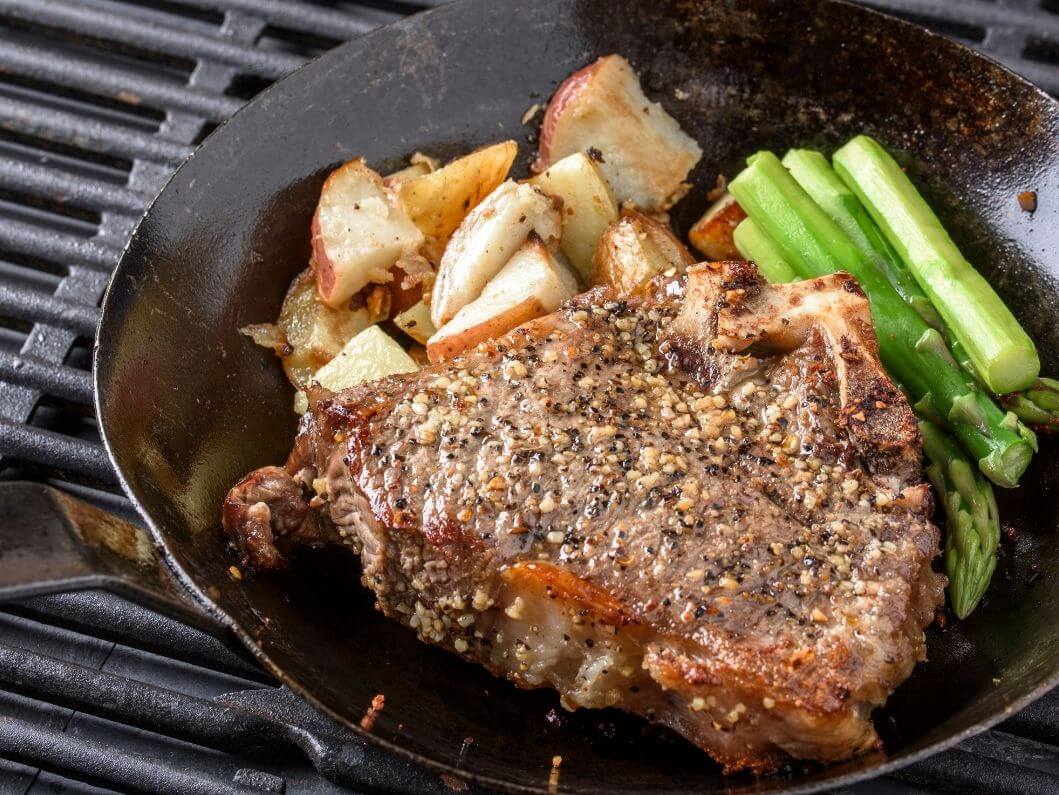
Searing is a cooking technique used to create a brown crust on the surface of food, usually meat or fish, by cooking it at a high temperature until a caramelized crust forms. This method is highly regarded for enhancing the flavor and appearance of food through the Maillard reaction, a chemical process where amino acids and reducing sugars react to produce complex flavors and aromas.
-
01 Types of Searing
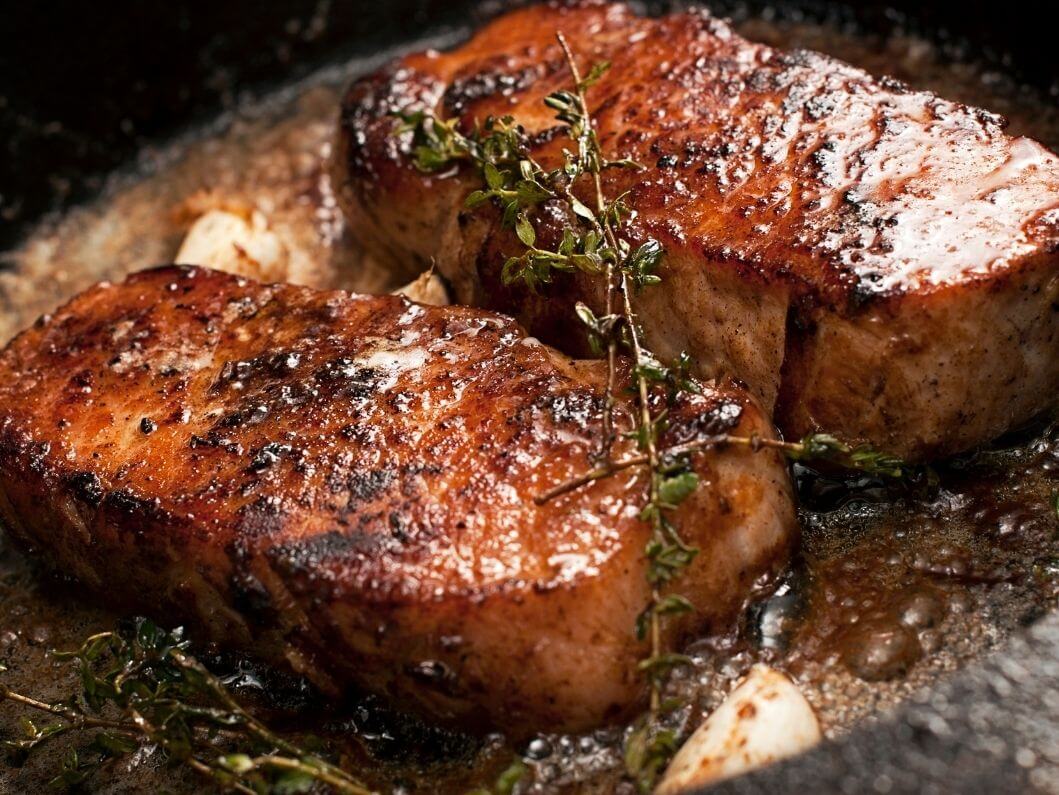
- Pan Searing: Utilizes heavy, thick-bottomed skillets (like cast iron or stainless steel) to evenly distribute high heat, suitable for individual portions of meat, fish, or scallops.
- Oven Searing: Ideal for larger cuts that require internal cooking post-sear; often involves preheating the pan in the oven, then searing on the stove.
- Grill Searing: Perfect for adding smoked flavors and achieving char lines; requires preheating the grill to a high temperature before cooking.
- Sous Vide Searing: Involves precision cooking in a temperature-controlled water bath, followed by a quick sear to add texture and flavor depth. This method is particularly effective for delicate foods that benefit from gentle cooking.
- Broiler Searing: Uses intense direct radiant heat from a broiler to quickly sear food, mimicking the effects of grilling with an emphasis on speed and high heat exposure from above.
-
02 Key Features of Searing
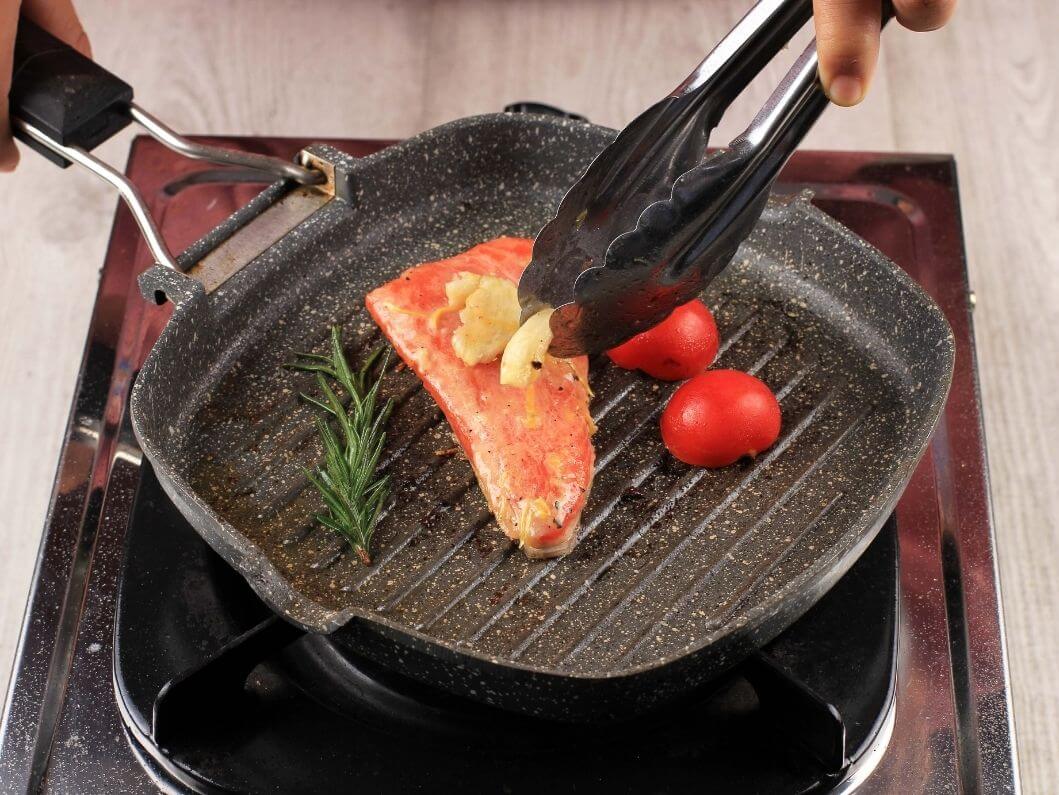
- Direct Contact with Heat: Essential for achieving the Maillard reaction quickly, with direct contact on a hot surface.
- Use of Fats: While minimal, the choice of fat (like butter, oils with high smoke points, or animal fats) can contribute additional flavors and assist in heat transfer.
- Preheating: Critical for effective searing, the cooking surface must reach a high temperature before the food is introduced to ensure proper caramelization.
- Patience and Timing: Requires precise timing to ensure that the surface is caramelized without burning, demanding constant attention and quick adjustments.
-
03 Benefits of Using Searing
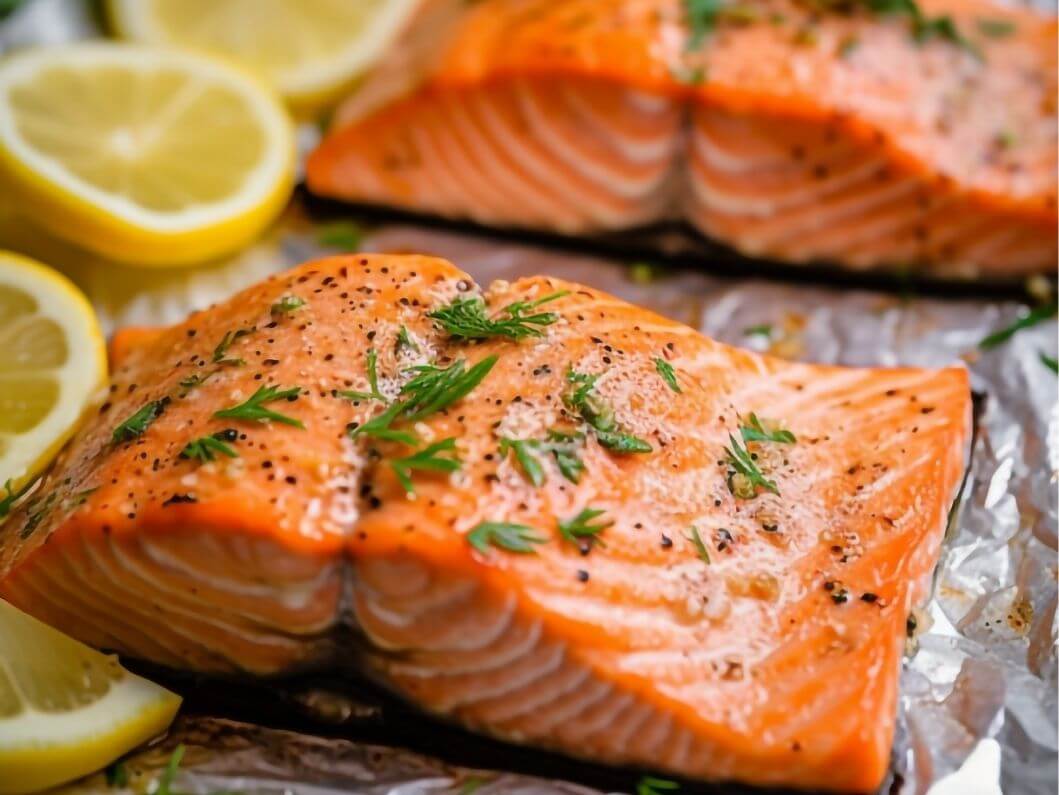
- Locking in Flavors: While it doesn’t seal juices per se, the caramelization and browning create a layer of flavor that enhances the overall taste profile.
- Reduced Cooking Time: By cooking at such high temperatures, searing can significantly decrease the overall time needed to cook thicker cuts of meat.
- Versatility: Besides meats, searing can transform vegetables and fruits, bringing out sugars and reducing bitterness, thereby diversifying culinary techniques.
- Aesthetic Appeal: The visual appeal of a well-seared dish can heighten anticipation and enjoyment, which is key in gourmet presentations.
-
04 Applications of Searing
- Gourmet Burgers: Searing patties on a hot surface to develop a crusty, flavorful exterior while maintaining a juicy interior.
- Duck Breast: Skin-side sear to render the fat and crisp the skin, followed by finishing in the oven to keep the meat tender.
- Seared Scallops: Quick sear to achieve a golden crust without overcooking the delicate interior.
- Stone Fruits: Searing fruits like peaches or plums to caramelize their natural sugars, often served in savory dishes or desserts.
- Spices and Herbs: Briefly searing whole spices and herbs to enhance their flavors before grinding or adding to dishes.
Your Bridge to Finding Efficient Searing Services
CoPack Connect can connect brands with contract packagers that offer searing. We make it easy for businesses to find the right manufacturer for their needs and provide the tools and resources they need to manage their searing projects successfully.

2000+
Manufacturers