

Smoking Solutions that Create Competitive Advantage
Smoking is a traditional method of food preservation and flavor enhancement that involves exposing food to smoke from burning or smoldering materials, typically wood. This technique not only imparts a unique flavor but also extends the shelf life of the food. Here’s a comprehensive look at the types, features, benefits, applications, and environmental considerations of smoking as a culinary practice.
-
01 Types of Smoking
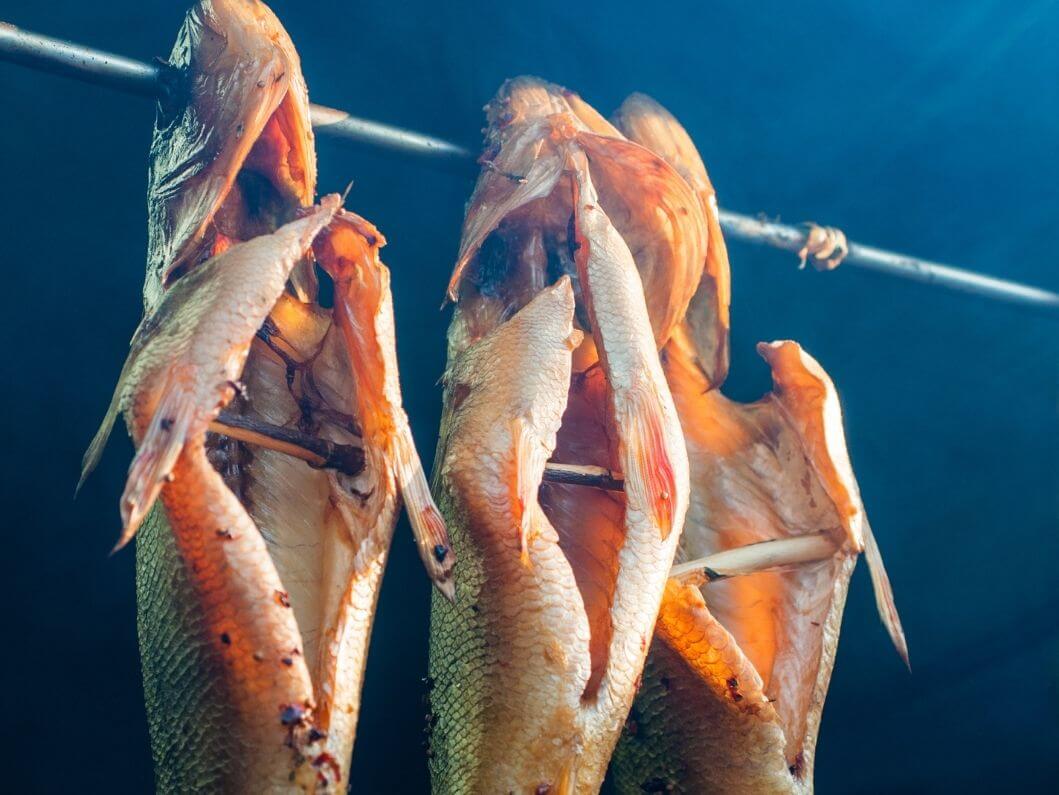
- Cold Smoking: Cold smoking is performed at temperatures between 20°C to 30°C and can last for several days. It imparts flavor and assists in the curing process without cooking the food, making it ideal for products like smoked salmon and cheese.
- Hot Smoking: This method cooks the food while smoking, with temperatures ranging from 52°C to 80°C. Hot smoking can fully cook the food, making it safe to eat without further preparation. It’s commonly used for meats and poultry.
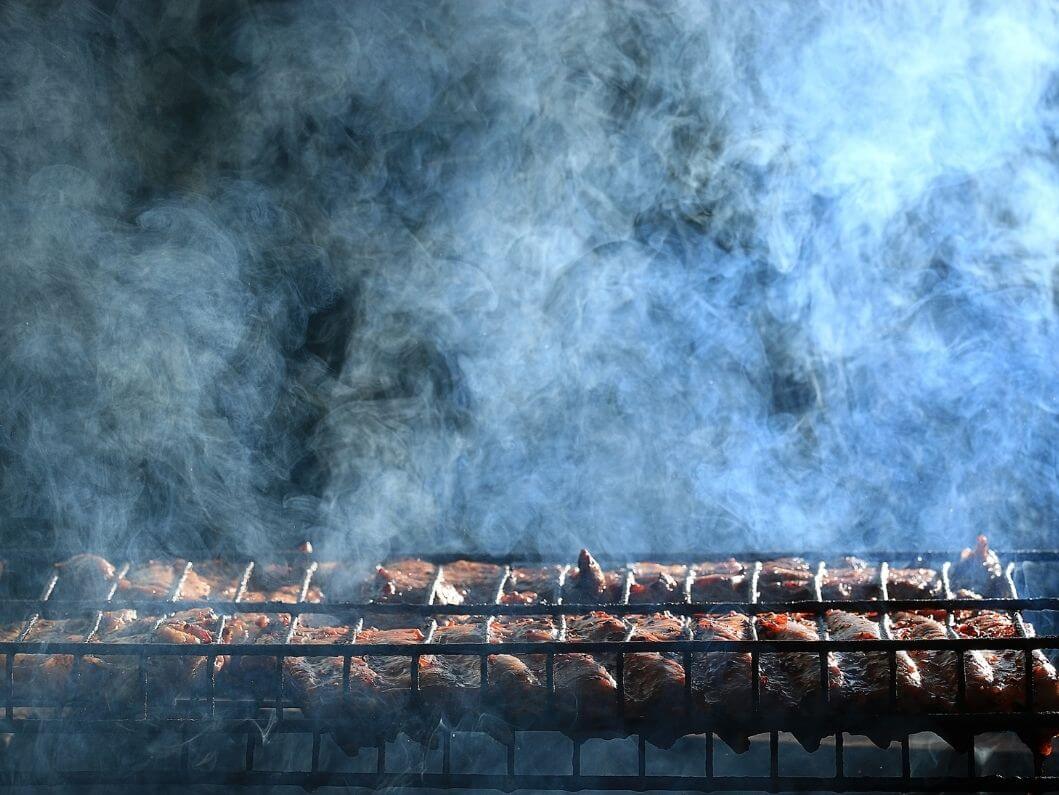
- Smoke Roasting or Barbecuing: Often done in a barbecue pit, this involves cooking at higher temperatures similar to grilling. The smoke is used to enhance the food’s flavor while fully cooking it, as seen in smoked ribs or brisket.
- Liquid Smoking: A more modern approach where food is exposed to a smoke-flavored solution. This method can simulate the flavor of traditional smoking without actual exposure to smoke, useful in industrial food production.
-
02 Key Features of Smoking
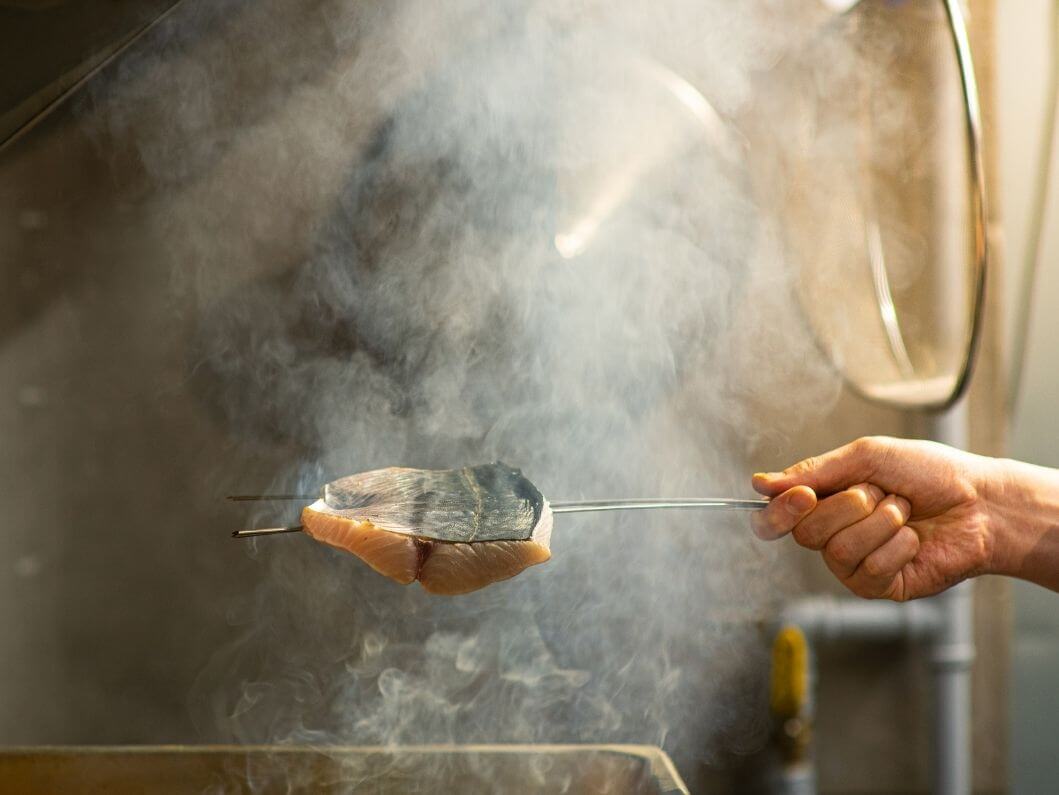
- Flavor Enhancement: Smoking imparts a distinct taste based on the type of wood used, such as hickory, mesquite, apple, or cherry wood.
- Preservation: The smoke contains chemical compounds that help preserve the food by slowing down the growth of bacteria.
- Color Development: Smoked foods gain an appealing golden to reddish-brown color, enhancing visual appeal.
- Texture Modification: In meats, smoking can lead to a tender texture by breaking down collagen through prolonged cooking at controlled temperatures.
-
03 Benefits of Using Smoking
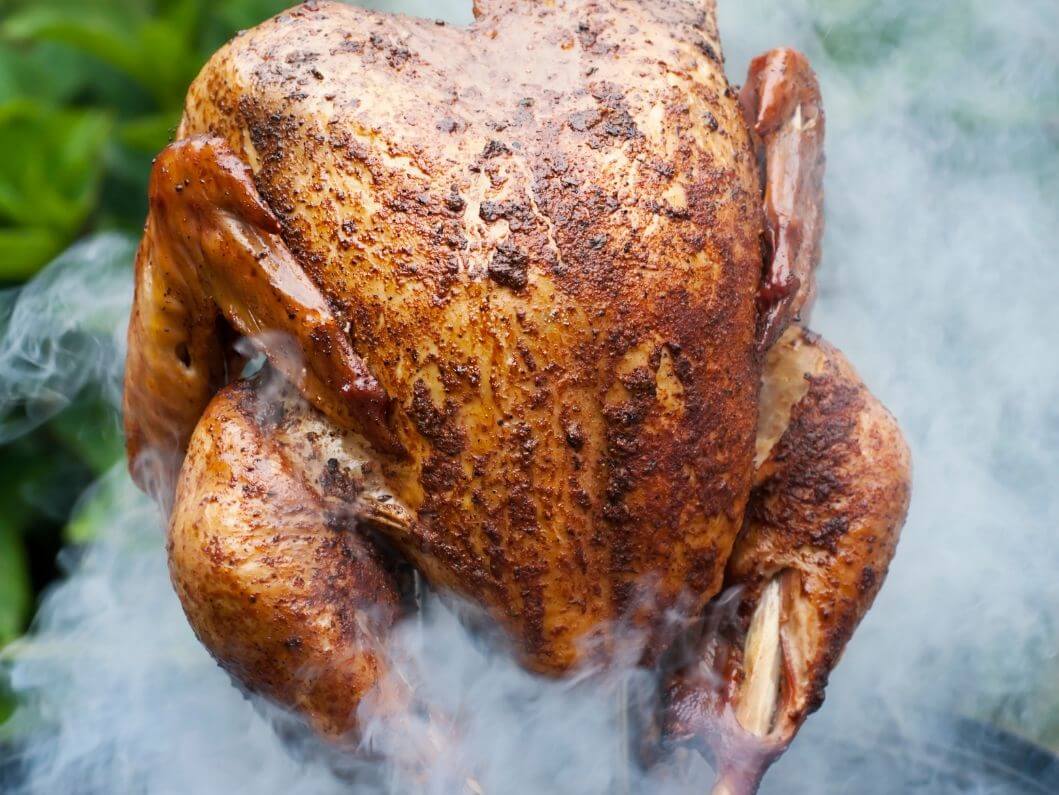
- Extended Shelf Life: By reducing moisture and adding antimicrobial properties, smoking extends the life of perishable items like fish and meat.
- Enhanced Flavor and Aroma: Smoking adds a unique flavor that cannot be replicated with other cooking methods.
- Versatility: Almost any food can be smoked, from proteins to cheeses and even vegetables.
- Cultural Significance: Smoking has deep roots in many cultures, making it a tradition in culinary practices worldwide, adding not just flavor but historical value to dishes.
-
04 Applications of Smoking
- Culinary Uses: Used in various cuisines to prepare dishes like smoked brisket, smoked cheese, smoked sausages, and more.
- Commercial Food Production: Smoking is integral in the production of various food products like bacon, smoked ham, and smoked fish.
- Home Cooking: With the availability of home smoking kits and small-scale smokers, smoking has become accessible to home chefs looking to enhance their cooking.
- Restaurants and Barbecues: Many restaurants use smoking as a primary method to create signature dishes that attract customers looking for that distinct smoky flavor.
Your Bridge to Finding Efficient Smoking Services
CoPack Connect can connect brands with contract packagers that offer smoking. We make it easy for businesses to find the right manufacturer for their needs and provide the tools and resources they need to manage their smoking projects successfully.

2000+
Manufacturers