

Disposable Trays Solutions that Create Competitive Advantage
Disposable trays are a practical and widely used form of packaging, offering convenience and versatility across numerous industries. Designed for single use, these trays are typically made from materials such as plastic, paper, foam, or biodegradable alternatives like bagasse and molded fiber. They come in various types and sizes, catering to different product categories, from foodservice to healthcare and industrial applications.
-
01 Features of Disposable Trays
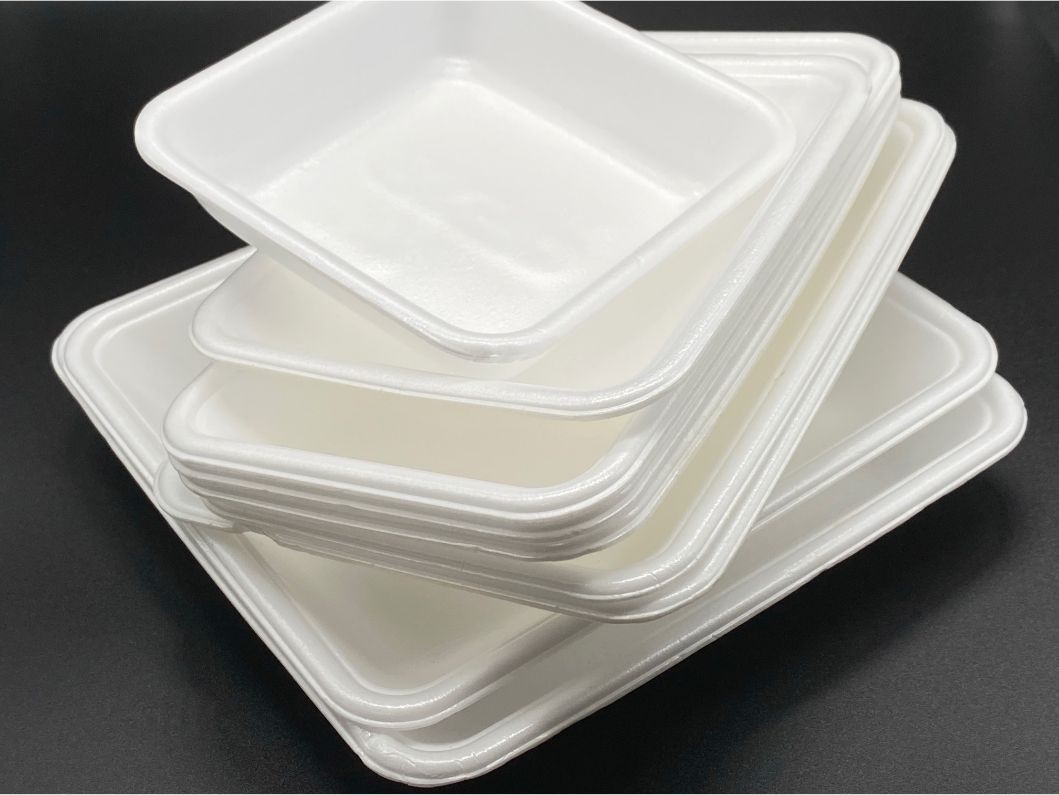
- Material Variety: Available in plastic, paper, aluminum, or eco-friendly materials like sugarcane fiber, allowing flexibility based on the product’s needs.
- Lightweight Construction: Lightweight yet sturdy, disposable trays are easy to handle, transport, and store.
- Customizable Design: Many trays can be customized in size, shape, and even color or printed branding, catering to the specific needs of different industries.
- Heat and Cold Resistant Options: Some trays are designed to withstand extreme temperatures, making them suitable for both freezer storage and microwave or oven use.
- Leak Resistance: Many trays feature sealed compartments or strong base materials that prevent leaks, maintaining product integrity and customer satisfaction.
-
02 Types of Disposable Trays
- Standard Trays: Simple, one-compartment trays commonly used for single-serve meals, snacks, and other food products.
- Compartmentalized Trays: These feature multiple sections, making them ideal for separating different food items, sauces, or products, often used in ready-to-eat meals or cafeteria settings.
- Lidded Trays: Some trays come with attached or separate lids, providing added protection for the contents, particularly in take-out and delivery scenarios.
- Biodegradable Trays: Made from environmentally friendly materials, these trays are becoming increasingly popular due to their reduced environmental impact, particularly in food packaging.
- Foam and Insulated Trays: Designed to retain temperature, foam trays are often used for meat, fish, or other perishable goods that need insulation during transport and storage.
-
03 Benefits of Disposable Trays
- Convenience: The single-use nature of these trays eliminates the need for washing and sterilization, making them particularly useful in fast-paced environments such as catering or healthcare.
- Cost-Effective: Disposable trays are generally inexpensive to produce and purchase, offering a cost-efficient solution for businesses looking to balance convenience with quality.
- Hygienic: Especially important in healthcare or food industries, disposable trays provide a hygienic solution that minimizes the risk of contamination.
- Portability: With their compact and lightweight structure, disposable trays make it easy to package and transport a variety of goods.
- Custom Fit: Trays can be tailored to the specific dimensions of the product, ensuring a snug fit that protects the product during handling and transit.
-
04 Different Uses of Disposable Trays
- Food Industry: Widely used in catering, restaurants, food courts, and for packaged ready meals. They are perfect for single-serve portions, takeout containers, or packaging raw meats and produce.
- Healthcare: Ideal for serving meals to patients or for sterile packaging of medical supplies, disposable trays offer both hygiene and convenience in hospitals and clinics.
- Retail: Used to present fresh products such as bakery items, deli selections, or even cosmetics in an appealing and sanitary manner.
- Industrial Applications: Disposable trays are also handy for organizing and packaging small parts in manufacturing or retail settings.
-
05 Environmental Impact and Sustainability of Disposable Trays
While disposable trays offer significant convenience, they are increasingly designed with sustainability in mind. Many manufacturers now offer trays made from biodegradable or compostable materials, reducing reliance on plastics. Furthermore, advancements in recycling systems allow for better end-of-life disposal of disposable trays, particularly those made from aluminum or certain plastics. Companies can also opt for trays made from post-consumer recycled content, promoting a more circular economy. In industries where hygiene and convenience are critical, disposable trays are evolving to meet environmental standards without sacrificing performance or durability.
Your Bridge to Finding Efficient Disposable Trays Services
CoPack Connect can connect brands with contract manufacturers and packagers that offer disposable tray services. We make it easy for businesses to find the right manufacturer for their needs and provide the tools and resources they need to manage their projects successfully.


2000+
Manufacturers