
Microwaving Solutions that Create Competitive Advantage
Microwaving is a method of cooking or heating food using microwave radiation. It involves the use of a microwave oven, a kitchen appliance that generates electromagnetic waves called microwaves. These waves are absorbed by water, fats, and sugars in the food, causing them to vibrate and rapidly generate thermal energy. This process heats and cooks food much faster than traditional methods like baking or boiling.
-
01 Key Features of Microwaving
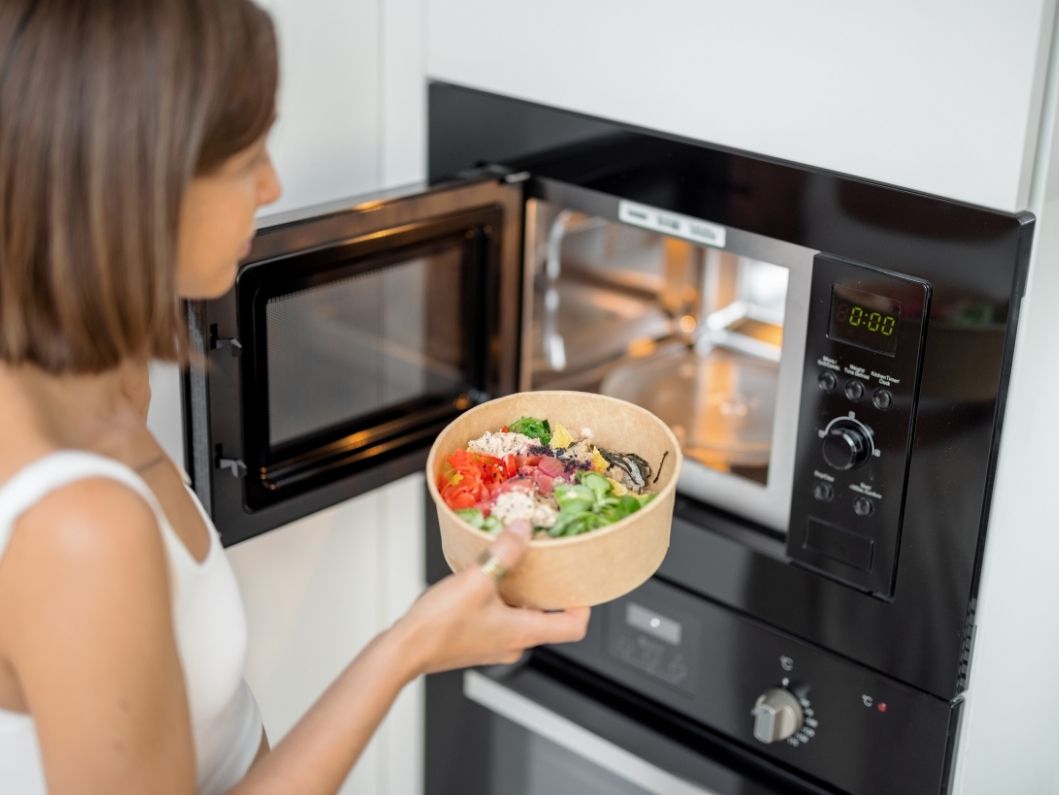
- Speed: Cooking or heating food in a microwave is significantly faster than other cooking methods, such as oven cooking or stovetop cooking.
- Convenience: Microwaves are easy to use with preset programs for specific food types and operations like defrosting, reheating, and popping popcorn.
- Energy Efficiency: Microwaves are generally more energy-efficient than conventional ovens because they directly heat the food, not the air around it.
- Versatility: Advanced microwaves offer multiple functions, from basic reheating to complete meal preparations, including baking, grilling, and even air frying.
- Preservation of Nutrients: Because microwaving can cook foods quickly and without a lot of water, it helps to preserve water-soluble vitamins (like B and C vitamins) better than some other cooking methods.
-
02 Types of Microwaving
- Solo Microwaving: Basic microwaving that uses microwaves to cook or reheat food. It’s primarily used for simple tasks like heating leftovers, making popcorn, or defrosting frozen food.
- Grill Microwaving: Combines microwaving with a grilling element. This allows the microwave to not only cook the food through microwave energy but also to grill to enhance flavor and texture, such as browning the top of a lasagna or grilling a chicken breast.
- Convection Microwaving: Features a combination of microwave energy and convection cooking. This type employs a heating element and a fan to circulate hot air around the food. It can perform all the functions of solo and grill microwaves, plus baking tasks similar to an oven, like baking cookies or roasting meats.
- Combination Microwaving: These microwaves offer a combination of cooking modes including steaming and frying, using microwave energy along with other cooking technologies. They are highly versatile and can handle a wide range of cooking tasks, from steaming vegetables to crisping up fried foods
-
03 Benefits of Using Microwaving
- Time Saving: Reduces cooking time, which is beneficial for busy lifestyles.
- Nutrient Retention: Helps in retaining more nutrients compared to boiling, where nutrients can leach into the water.
- Energy Conservation: Consumes less energy, making it a more environmentally friendly option compared to using a stove or an oven.
- Safety: Reduces risks of burns from open flames or hot cooking elements; also, microwave ovens don’t heat up the kitchen.
- Ease of Use: Generally requires less culinary skill to operate and can be used by people of all ages for simple tasks like reheating food.
-
04 Applications of Microwaving
- Home Cooking: From quick reheating to meal preparation, microwaving is a staple in modern kitchens.
- Commercial Food Service: Used in restaurants and cafeterias for rapid heating or cooking, which helps in meeting the demand during peak hours.
- Food Processing: In the food industry, microwaving is used for drying processes and pasteurization.
- Scientific and Medicinal Applications: Used for sterilization of equipment and rapid chemical reactions in scientific labs.
-
05 Environmental Considerations
Microwaves are energy-efficient, but their environmental impact varies based on factors such as waste production and energy sources. Older microwave models contribute to electronic waste due to non-recyclable materials like plastics and electronics. Additionally, if microwaves are powered by electricity from fossil fuels, their environmental benefits are reduced. Modern microwaves often face criticism for short lifespans and difficult repairs, leading to increased waste. To minimize these issues, it’s important to select high-efficiency models and responsibly recycle old appliances.
Your Bridge to Finding Efficient Microwaving Services
CoPack Connect can connect brands with contract manufacturers and packagers that offer microwaving services. We make it easy for businesses to find the right manufacturer for their needs and provide the tools and resources they need to manage their projects successfully.

2000+
Manufacturers