
Simmering Solutions that Create Competitive Advantage
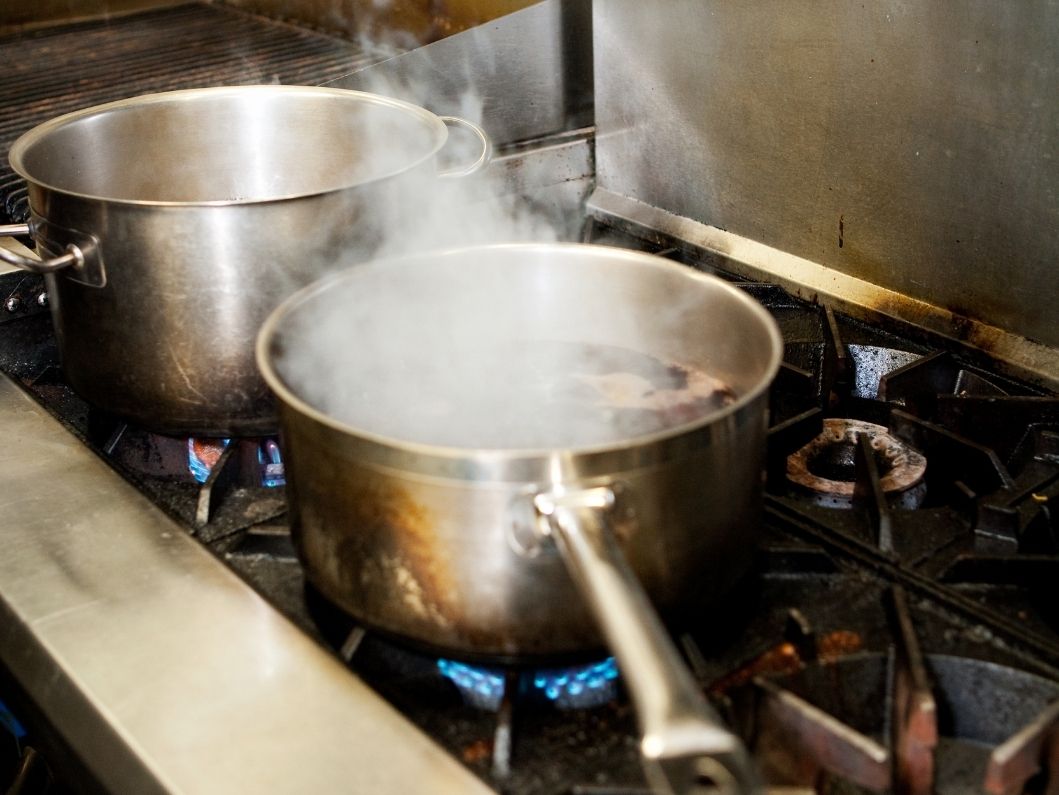
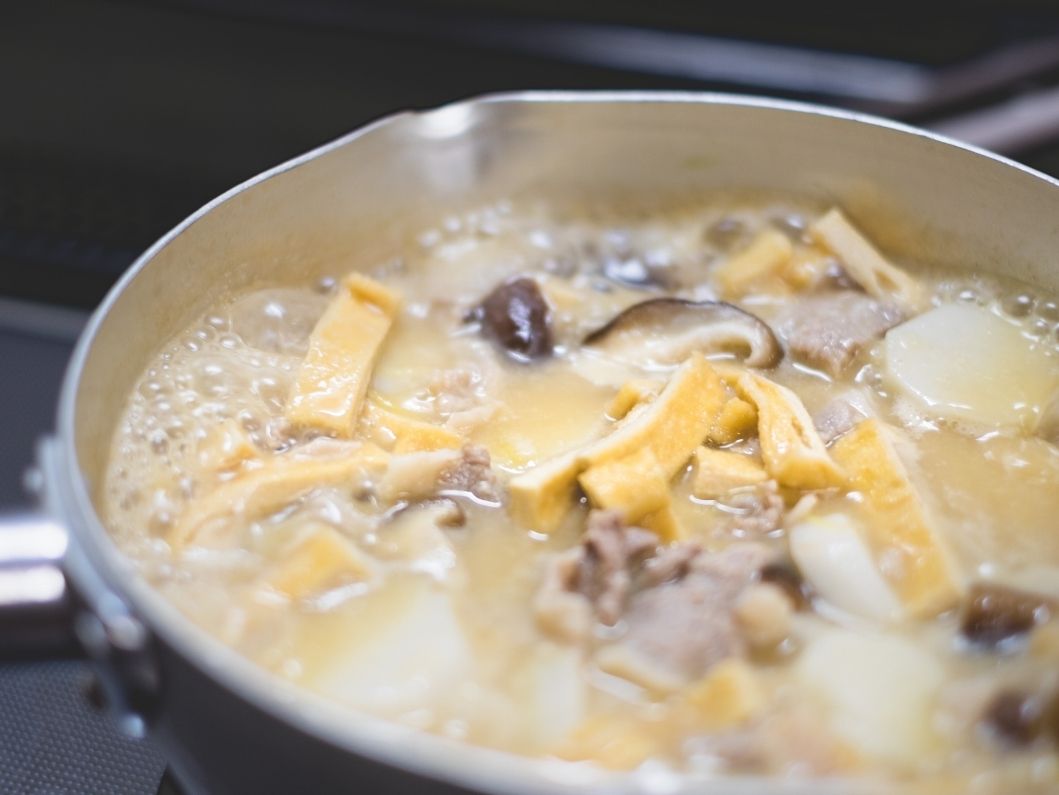
Simmering is a gentle, slow cooking method commonly used in the culinary world. It involves maintaining the temperature of a liquid just below the boiling point, where small bubbles occasionally rise to the surface but do not break into a rolling boil. This technique allows flavors to meld and ingredients to cook thoroughly without the harshness of boiling, which can break down delicate ingredients.
-
01 Types of Simmering
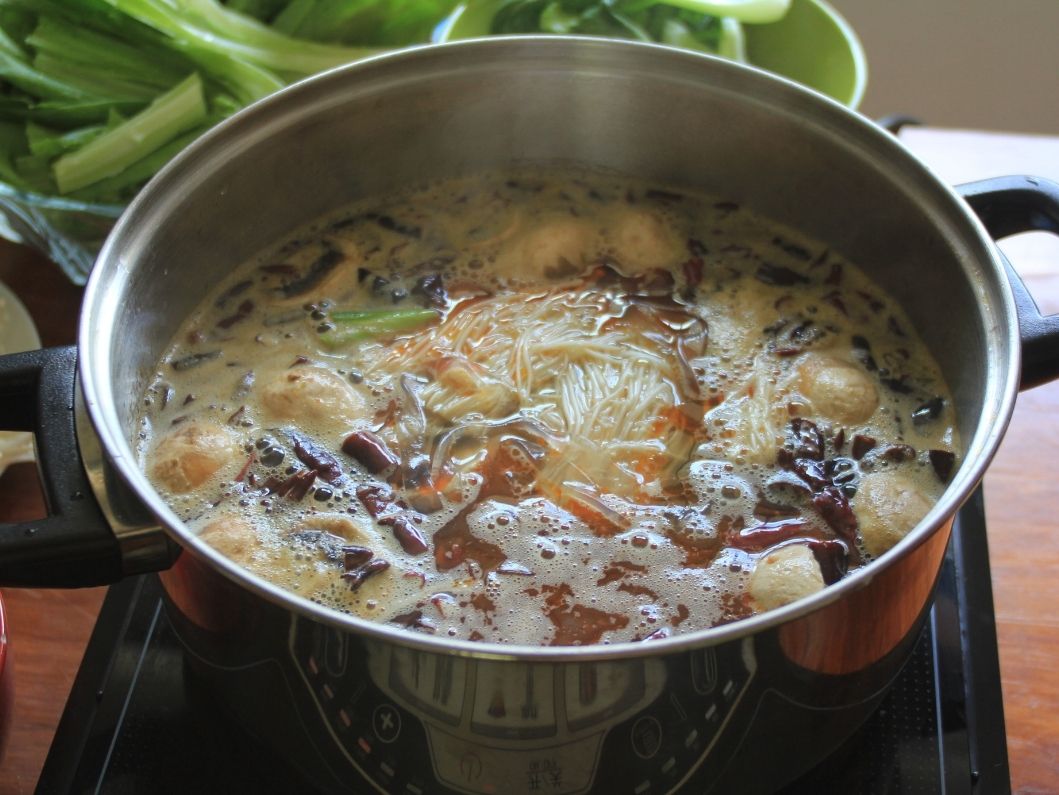
- Bare Simmer: The liquid shows very few, tiny bubbles. It’s ideal for dishes that need to be cooked very gently over a long period, such as stocks or broths.
- Low Simmer: Slightly more active than a bare simmer, characterized by occasional small bubbles. This is suitable for slow-cooking vegetables or tender meats.
- Moderate Simmer: Regular but gentle bubbling seen throughout the cooking process, perfect for reducing sauces and cooking heartier stews without dispersing the ingredients.
- Lively Simmer: A more active form of simmering with constant small to medium bubbles, used for dishes that require a bit more heat, such as poaching meats or reducing a soup quickly.
-
02 Key Features of Simmering
- Temperature Control: Simmering typically occurs at temperatures between 185°F to 205°F (85°C to 96°C), crucial for not overcooking delicate ingredients.
- Gentle Cooking: By preventing vigorous boiling, simmering helps in preserving the texture and integrity of ingredients.
- Flavor Development: Allows flavors to develop and meld over time, which is essential for complex dishes like curries, soups, and sauces.
- Scum Removal: Simmering helps in bringing impurities to the surface, which can be skimmed off, resulting in a clearer, cleaner final dish.
-
03 Benefits of Simmering
- Enhanced Flavor and Texture: Slow cooking at lower temperatures helps in extracting flavors while keeping ingredients intact and tender.
- Nutrient Preservation: Unlike high-heat methods that can destroy some sensitive nutrients, simmering can help preserve these nutrients better.
- Energy Efficiency: Simmering can be more energy-efficient than methods requiring high heat, as it uses a sustained lower temperature.
- Versatility: It can be used for a wide range of dishes, from meats and vegetables to grains and legumes.
-
04 Applications of Simmering
- Soups and Broths: Essential for developing depth and clarity of flavor in broths and stocks.
- Stews and Braises: Ideal for cooking tougher cuts of meat until they are tender.
- Sauces: Perfect for reducing sauces to enhance flavor concentration without burning.
- Poaching: Gently cooks delicate items like eggs, fish, and fruit, keeping them moist and intact.
- Grains and Legumes: Rice, barley, and beans benefit from simmering, which allows them to cook through without becoming mushy.
-
05 Environmental Considerations
Simmering is considered environmentally friendly due to its energy efficiency. By maintaining a low temperature, it uses less energy over time compared to high-heat methods. Once the desired temperature is set, dishes can simmer with minimal supervision, reducing the need for frequent adjustments and lowering energy consumption. Additionally, simmering on gas stoves produces fewer emissions, contributing less to indoor air pollution, making it a more sustainable choice for cooking.
Your Bridge to Finding Efficient Simmering Services
CoPack Connect can connect brands with contract manufacturers and packagers that offer simmering services. We make it easy for businesses to find the right manufacturer for their needs and provide the tools and resources they need to manage their projects successfully.
2000+
Manufacturers