

Fermenting Solutions that Create Competitive Advantage
Fermentation in the context of food is a metabolic process that converts sugar to acids, gases, or alcohol. It occurs in yeast and bacteria and in oxygen-starved muscle cells, as in the case of lactic acid fermentation. Here’s an extensive look into the types, key features, benefits, applications, and environmental considerations of fermentation.
-
01 Types of Fermentation
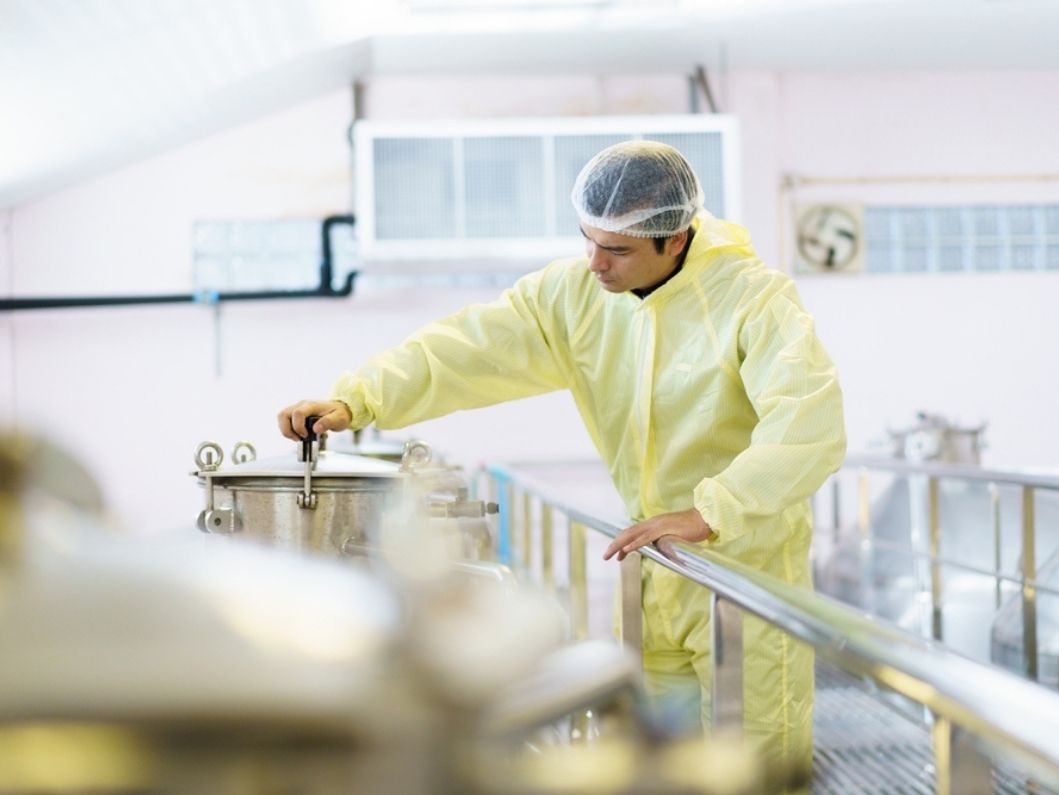
- Alcoholic Fermentation: Yeast breaks down sugar into alcohol and carbon dioxide. This type is used in brewing beer and making wine.
- Lactic Acid Fermentation: Converts sugars into cellular energy and the metabolite lactate. It’s common in sour foods like yogurt, kefir, and sauerkraut.
- Acetic Acid Fermentation: Converts ethanol into acetic acid. This is how vinegar is produced.
- Propionic Acid Fermentation: Produces propionic acid, acetic acid, and carbon dioxide. This process is used in making Swiss cheese, where it contributes to the development of the characteristic holes and flavor.
-
02 Key Features of Fermentation
- Anaerobic Process: Fermentation does not require oxygen, making it an anaerobic process. This is crucial in environments where oxygen is limited.
- Natural Preservative: The acids produced during fermentation act as natural preservatives, inhibiting the growth of harmful bacteria.
- Flavor Development: Fermentation can transform the flavor profile of food, adding complexity and depth.
- Nutrient Availability: This process can increase the availability of nutrients and make foods easier to digest.
-
03 Benefits of Fermentation
- Enhanced Nutritional Content: Fermentation can increase the content of vitamins and minerals in food, making nutrients more bioavailable.
- Probiotic Properties: Many fermented foods contain beneficial bacteria that can enhance gut health, improve digestion, and boost immunity.
- Food Preservation: Fermentation extends the shelf life of perishable foods, reducing waste and improving food security.
- Sustainability: It uses natural processes that often require less energy than mechanical food processing methods.
- Cultural Significance: Many fermented foods hold cultural importance, supporting culinary diversity and heritage.
-
04 Applications of Fermentation
- Food Industry: Fermentation is used in the making of bread, alcohol, cheese, yogurt, and pickles, among other foods.
- Beverage Production: It is crucial in the production of wines, beers, and spirits, where yeast fermentation is a fundamental step.
- Agriculture: Fermentation helps in the processing of animal feeds and fertilizers, enhancing nutritional content and digestibility.
- Pharmaceuticals: Certain fermentation processes are used to produce antibiotics, steroids, and vitamins.
- Biotechnology: Fermentation is key in the production of biofuels, such as ethanol, and other bioproducts through microbial processes.
-
05 Environmental Considerations
Fermentation offers significant environmental benefits by reducing the food industry’s carbon footprint through decreased reliance on energy-intensive processes such as refrigeration. It also minimizes waste by transforming by-products like whey into valuable products, thus reducing industrial waste. Additionally, fermentation is generally less energy-intensive compared to traditional food processing methods, aiding in energy conservation. The use of diverse microbial species in fermentation also supports biodiversity, helping maintain ecological balance. Collectively, these factors position fermentation as a sustainable practice with a positive impact on environmental health.
Your Bridge to Finding Efficient Fermenting Services
CoPack Connect can connect brands with contract manufacturers and packagers that offer fermenting services. We make it easy for businesses to find the right manufacturer for their needs and provide the tools and resources they need to manage their projects successfully.



2000+
Manufacturers