

Contract Packaging
Metal Cans
Metal Cans Solutions that Create Competitive Advantage
Metal cans are a popular type of packaging material used extensively across various industries, particularly in food and beverage storage. They offer a unique blend of durability, recyclability, and convenience, making them a staple in consumer goods packaging. Here, I’ll provide a detailed exploration of metal cans, their types, key features, benefits, and environmental considerations.
-
01 Types of Metal Cans

- Aluminum Cans: Lightweight and resistant to corrosion, aluminum cans are predominantly used for beverages like sodas and beers. Their ability to cool quickly and block out light and air makes them ideal for preserving the taste and freshness of beverages.
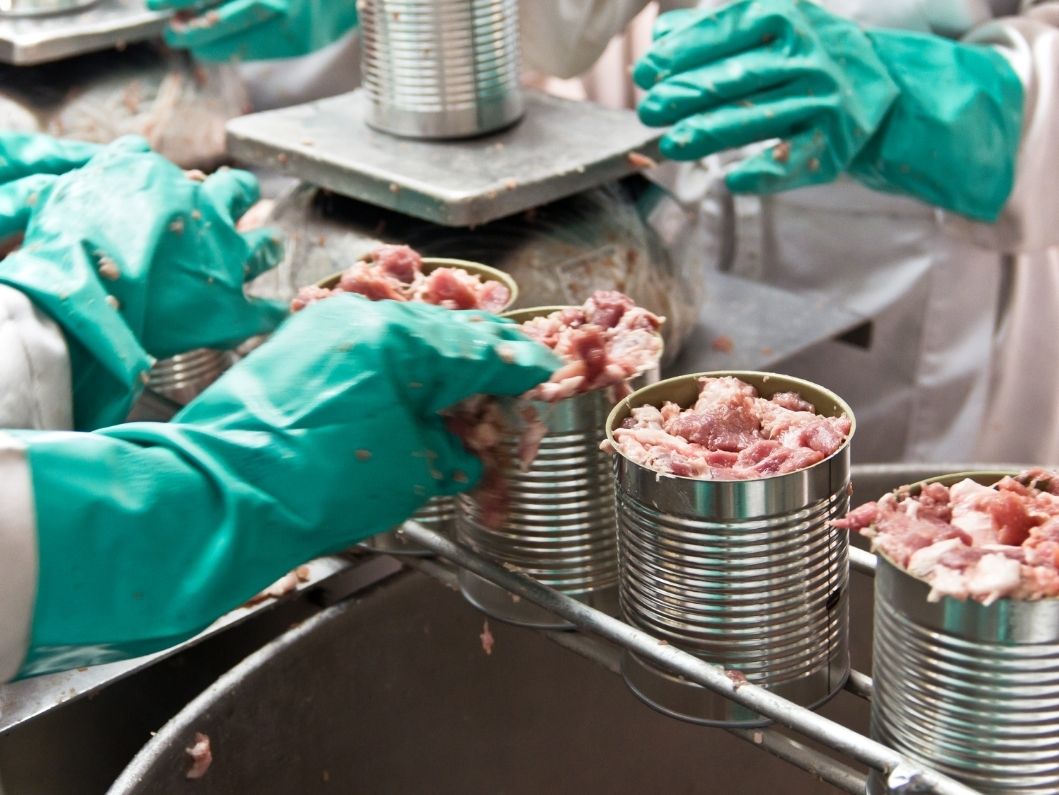
- Steel Cans: Also known as tin cans (though they are primarily made of steel and coated with tin), these are used for a wide range of food products, including vegetables, fruits, and soups. Steel cans are sturdy and offer excellent protection against contamination.
- Aerosol Cans: Made from aluminum or steel, aerosol cans are designed to hold products under pressure, such as paints, cooking sprays, and insecticides.
- Composite Cans: These are a hybrid type of can made from a combination of metal, paperboard, and sometimes plastic. They are typically used for dry or powdered products like coffee, nuts, and spices. The body of the can is paperboard, which reduces weight and cost, while the ends are metal, maintaining structural integrity.
-
02 Key Features of Metal Cans
- Durability: Metal cans withstand high pressures and are impact-resistant, which makes them extremely durable during transportation and storage.
- Hermetic Seals: They provide an airtight seal that protects the contents from oxygen, moisture, and light, effectively extending the product’s shelf life.
- Heat Sterilization: Metal cans can endure the high temperatures required for sterilization, which ensures that the food or beverage inside is safe from bacteria and other pathogens.
- Recyclability: Both aluminum and steel are 100% recyclable without degradation in quality, making metal cans a more sustainable packaging option compared to some plastics.
-
03 Benefits of Using Metal Cans
- Long Shelf Life: Due to their robust nature and ability to be sealed hermetically, metal cans greatly extend the shelf life of products, reducing food waste.
- Protection and Safety: The sturdy construction of metal cans protects the contents from external damage and contamination, ensuring the safety of food and other consumables.
- Sustainability: The high recyclability rate of metal cans contributes significantly to their eco-friendliness. They can be recycled indefinitely, which helps conserve resources and reduce landfill waste.
- Cost-Effectiveness: Despite the initial material and manufacturing costs, the durability and long shelf life of metal cans can make them a cost-effective choice for manufacturers.
-
04 Applications of Metal Cans
Metal cans are utilized across a broad spectrum of industries, underscoring their versatility:
- Food and Beverage: Cans are used to package everything from carbonated drinks to craft beers, and from canned vegetables and fruits to ready meals. This helps in preserving the flavor and nutritional value of the contents for extended periods.
- Pharmaceuticals: Certain medications and pharmaceutical products are packaged in metal cans to protect them from moisture, light, and contamination.
- Industrial Supplies: Paints, chemicals, and solvents are often packaged in metal cans to utilize their ability to contain substances that might be reactive or volatile in other types of packaging.
- Personal Care Products: Many personal care products, such as hairsprays, shaving creams, and deodorants, are packaged in aerosol cans for easy application.
- Pet Food: Metal cans are also extensively used in the pet food industry to package wet foods that require preservation without preservatives, maintaining nutritional quality and taste.
-
05 Environmental Considerations
- Resource Intensive Production: The production of metal cans is energy-intensive, primarily during the mining and refining stages of aluminum and steel. This process generates a significant amount of greenhouse gases.
- Recycling Rates: While metal cans are highly recyclable, the actual recycling rates can vary significantly by region. Effective recycling requires well-established collection and processing systems.
- Pollution: The production and recycling of metal cans involve emissions and effluents that can contribute to air and water pollution if not properly managed.
- Lifecycle Impact: The overall environmental impact of metal cans can be mitigated by improving recycling rates and using recycled materials in the manufacturing process. Innovations in can design and lightweighting also contribute to reducing the environmental footprint.
Your Gateway to Metal Cans Solutions
CoPack Connect can connect brands with contract packagers that offer metal cans. We make it easy for businesses to find the right manufacturer for their needs and provide the tools and resources they need to manage their metal cans projects successfully.


2000+
Manufacturers